



Penilaian Kritik Terhadap J-Hope dan RM dari BTS
Netizen tidak senang dengan komentar-komentar yang diberikan
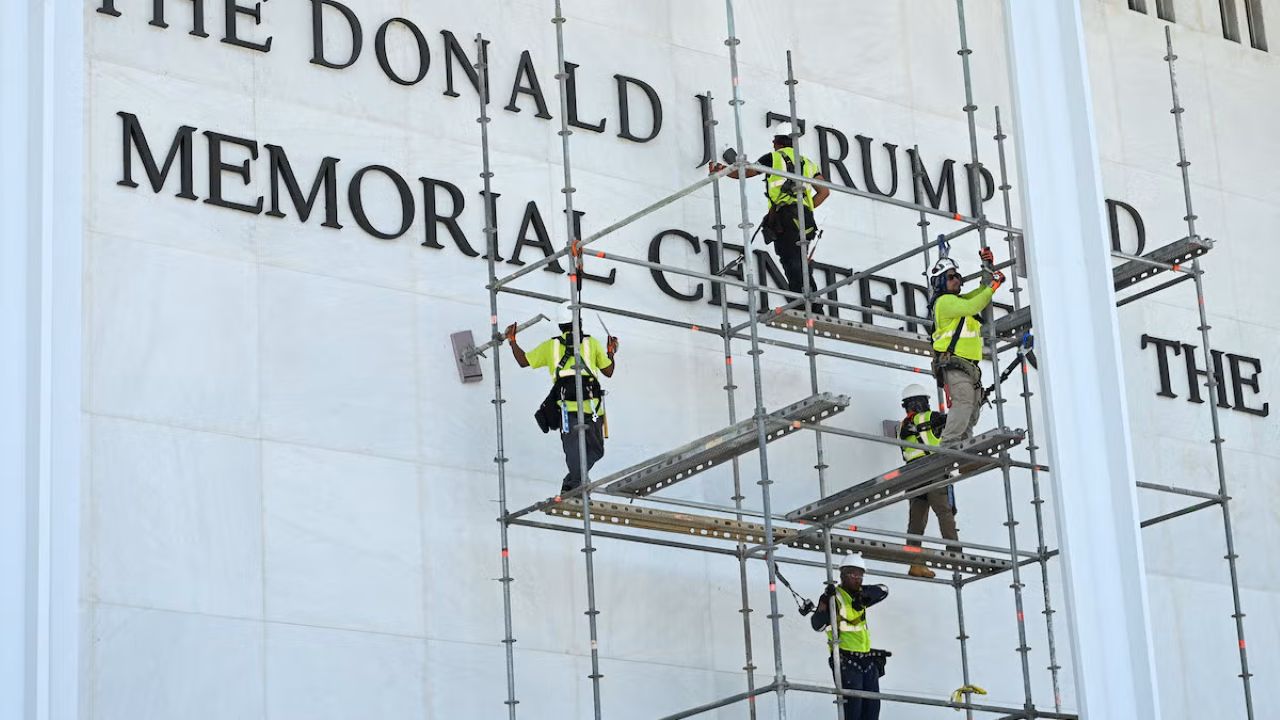
The Kennedy Center, a renowned performing arts center in Washington, D.C., has been ordered to pay jazz musician Chuck Redd $252,479.70 in attorneys' fees and costs. This decision comes after the center sued Redd for breach of contract when he canceled his performance at the free Christmas Eve 'Jazz Jam' in December. Redd had been scheduled to perform, but he backed out after the center's board voted to add President Trump's name to the building and branding. The musician explained his decision in a statement to the Associated Press, citing his opposition to the name change. The Kennedy Center's leadership, however, accused Redd of pulling a 'political stunt' and threatened him with a $1 million lawsuit.
The lawsuit filed by the Kennedy Center argued that Redd had agreed to perform and was using the center's public platform to make a political statement. However, D.C. Superior Court Judge Tanya Jones Bosier dismissed the lawsuit in June, finding that Redd had never signed a contract for the performance. The judge also sided with Redd under Washington, D.C.'s Anti-SLAPP Act, which protects speech on matters of public interest from lawsuits intended to silence or intimidate critics. This decision highlights the importance of protecting free speech, particularly in cases where individuals are speaking out on matters of public concern. The Kennedy Center's decision to sue Redd was seen by many as an attempt to silence him and stifle his right to free speech. The center's actions were widely criticized, with many arguing that they were trying to intimidate Redd and other artists who might speak out against the name change.
The background of this case is complex and multifaceted. The Kennedy Center's decision to add President Trump's name to the building and branding was met with widespread criticism from artists and patrons alike. Many felt that the move was a political statement, and that it would damage the center's reputation and compromise its artistic integrity. Redd was not the only artist to cancel his performance in response to the name change; several other musicians and performers also pulled out of scheduled events. However, Redd was the only performer to publicly explain his decision and subsequently be sued by the Kennedy Center. This fact highlights the unique circumstances of the case and raises important questions about the role of artists in speaking out on matters of public concern. As the judge noted, Redd's decision to cancel his performance was a legitimate exercise of his right to free speech, and the Kennedy Center's attempt to sue him was an attempt to silence him and stifle his artistic expression.
The implications of this case are far-reaching and significant. The decision to award Redd $250,000 in legal fees sends a strong message about the importance of protecting free speech and artistic expression. It also highlights the need for institutions like the Kennedy Center to respect the rights of artists and patrons to speak out on matters of public concern. The case has sparked a wider conversation about the role of politics in art and the importance of protecting artistic integrity. As the art world continues to grapple with these issues, the Kennedy Center's decision to sue Redd will be seen as a cautionary tale about the dangers of attempting to silence artists and stifle their right to free speech. The case has also raised questions about the leadership of the Kennedy Center and its commitment to protecting artistic freedom. The center's decision to sue Redd was widely criticized, and many have called for greater transparency and accountability in the center's decision-making processes.
In terms of the future outlook, the Kennedy Center's decision to pay Redd $250,000 in legal fees marks an important turning point in the case. The center's leadership will likely face increased scrutiny and criticism in the coming months, particularly if they fail to take steps to address the concerns of artists and patrons. The case has also highlighted the need for greater transparency and accountability in the center's decision-making processes, particularly when it comes to issues of artistic expression and free speech. As the art world continues to evolve and grow, the Kennedy Center will need to adapt and respond to changing circumstances, including the increasing importance of protecting artistic freedom and promoting diversity and inclusion. The center's ability to do so will depend on its willingness to listen to the concerns of artists and patrons, and to prioritize the values of artistic expression and free speech.
The case of Chuck Redd and the Kennedy Center has sparked a wider conversation about the role of politics in art and the importance of protecting artistic integrity. The decision to award Redd $250,000 in legal fees has been seen as a victory for artists and free speech advocates, and has highlighted the need for institutions like the Kennedy Center to respect the rights of artists and patrons to speak out on matters of public concern. As the art world continues to grapple with these issues, the Kennedy Center's decision to sue Redd will be seen as a cautionary tale about the dangers of attempting to silence artists and stifle their right to free speech. The case has also raised important questions about the leadership of the Kennedy Center and its commitment to protecting artistic freedom, and has sparked a wider conversation about the need for greater transparency and accountability in the center's decision-making processes. The outcome of the case will likely have significant implications for the art world, and will serve as a reminder of the importance of protecting artistic expression and promoting diversity and inclusion.
In conclusion, the case of Chuck Redd and the Kennedy Center is a complex and multifaceted one, with significant implications for the art world and beyond. The decision to award Redd $250,000 in legal fees marks an important turning point in the case, and highlights the need for institutions like the Kennedy Center to respect the rights of artists and patrons to speak out on matters of public concern. As the art world continues to evolve and grow, the Kennedy Center will need to adapt and respond to changing circumstances, including the increasing importance of protecting artistic freedom and promoting diversity and inclusion. The center's ability to do so will depend on its willingness to listen to the concerns of artists and patrons, and to prioritize the values of artistic expression and free speech. The case of Chuck Redd and the Kennedy Center serves as a reminder of the importance of protecting artistic expression and promoting diversity and inclusion, and will likely have significant implications for the art world in the years to come.
The Kennedy Center's decision to sue Redd has been widely criticized, with many arguing that it was an attempt to silence him and stifle his right to free speech. The center's leadership has faced increased scrutiny and criticism in the wake of the lawsuit, particularly from artists and patrons who feel that the center has compromised its artistic integrity. The case has also sparked a wider conversation about the role of politics in art and the importance of protecting artistic freedom. As the art world continues to grapple with these issues, the Kennedy Center's decision to sue Redd will be seen as a cautionary tale about the dangers of attempting to silence artists and stifle their right to free speech. The case has also raised important questions about the leadership of the Kennedy Center and its commitment to protecting artistic freedom, and has sparked a wider conversation about the need for greater transparency and accountability in the center's decision-making processes.
The case of Chuck Redd and the Kennedy Center has significant implications for the art world, particularly in terms of the importance of protecting artistic expression and promoting diversity and inclusion. The decision to award Redd $250,000 in legal fees marks an important turning point in the case, and highlights the need for institutions like the Kennedy Center to respect the rights of artists and patrons to speak out on matters of public concern. As the art world continues to evolve and grow, the Kennedy Center will need to adapt and respond to changing circumstances, including the increasing importance of protecting artistic freedom and promoting diversity and inclusion. The center's ability to do so will depend on its willingness to listen to the concerns of artists and patrons, and to prioritize the values of artistic expression and free speech. The case of Chuck Redd and the Kennedy Center serves as a reminder of the importance of protecting artistic expression and promoting diversity and inclusion, and will likely have significant implications for the art world in the years to come. The case has also raised important questions about the leadership of the Kennedy Center and its commitment to protecting artistic freedom, and has sparked a wider conversation about the need for greater transparency and accountability in the center's decision-making processes.
The Kennedy Center has been ordered to pay jazz musician Chuck Redd $250,000 in legal fees after a lawsuit over his decision to cancel a performance due to President Trump's name being added to the institution
Netizen tidak senang dengan komentar-komentar yang diberikan

BTS mungkin kembali mengikuti Grammy setelah rekanan mereka, Recording Academy, mengumumkan revisi...

Delve into the captivating world of 'Ice Princess', a film that showcased the talents of Hayden...

Meninggalnya Hayden Panettiere, aktris Amerika Serikat, telah mengejutkan dunia hiburan dengan...

Anggota grup musik telah mengumumkan pernikahannya mendadak dengan sosok non-artist, mengejutkan...
Seorang anggota boy group tak terduga mengumumkan perayaannya pribadi dengan non-kepribadian,...
BTS mungkin tidak akan mengubah keputusan untuk mengabaikan Grammy karena deadline pengiriman musik...
Update terbaru tentang keputusan BTS untuk tidak mengirimkan musik mereka untuk dijadikan nominee...
Pihak Recording Academy mengumumkan akan kembali meninju keputusan untuk memperkenalkan kategori...
Sangyeop Sangyeop mengumumkan rencananya untuk menikah dengan seorang non-celebrity, mengejutkan...
Anggota grup pria mendadak mengumumkan pernikahannya dengan seorang non-celebrity, membuat...
Choi Sangyeop dari boy group LUCY mengejutkan fans dan netizen dengan pengumuman pernikahannya yang...