



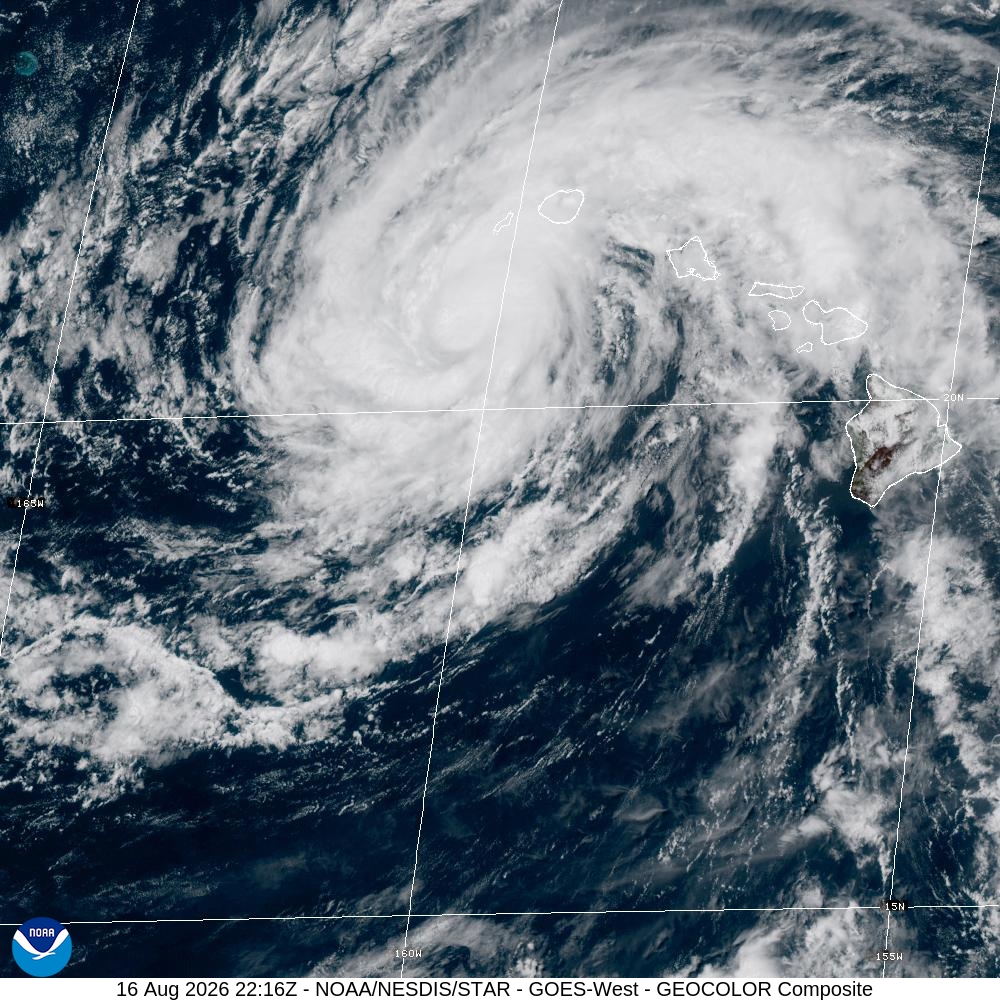
Lala's Hawaiian Odyssey: Unprecedented Rainfall and Snowfall
Tropical Storm Lala brought unprecedented rainfall and snowfall to Hawaii, raising questions about...

The United States Geological Survey (USGS) reported that a 5.1-magnitude earthquake struck the vicinity of Miami, Texas, leaving residents stunned and concerned about potential damages. On [Date of the earthquake], at approximately [Time of the earthquake], the earthquake occurred, marking a significant seismic event in the region. According to USGS reports, the epicenter of the earthquake was located near Miami, Texas, with an epicenter depth recorded as approximately 5 km or 3.1 miles below the earth's surface.
When it comes to earthquake occurrences in Texas, this event has sparked renewed attention to the state's geological vulnerabilities. The state sits atop the Balcones Fault Zone, a region characterized by significant earthquake activity over the years. While experts have noted that the frequency and intensity of earthquakes in Texas may be increasing, the exact causes of this phenomenon remain unclear, underscoring the need for further research and seismic mapping. Texas's unique combination of tectonic plates and fault lines makes it a fascinating yet complex region to study, offering insights into the ever-changing dynamics of the Earth's crust.
The impact of the 5.1-magnitude earthquake near Miami, Texas, was immediate and multifaceted. Emergency services and local authorities responded swiftly to reports of damage, deploying rescue teams, first responders, and assessment teams to evaluate damages and ensure public safety. The earthquake caused power outages, disruptions to critical infrastructure, and structural damage to buildings in Miami and surrounding areas. Residents expressed concern about potential long-term consequences, particularly with regards to the local economy, healthcare, and education sectors.
In the immediate aftermath of the earthquake, officials took swift action to address the crisis. The Texas Governor issued a state of emergency declaration, allowing authorities to mobilize resources and allocate funds for disaster relief and recovery. Emergency responders were deployed to conduct searches, provide medical assistance, and secure damaged buildings. Local residents and community leaders expressed gratitude for the swift response, acknowledging the critical role that disaster preparedness, emergency planning, and coordination play in mitigating the effects of such events.
An in-depth examination of the Miami, Texas, earthquake also reveals underlying societal implications. This seismic event raises questions about disaster resilience, preparedness, and long-term planning. It highlights the need for residents, businesses, and local governments to work together in building more earthquake-resistant infrastructure, developing effective emergency response systems, and creating disaster education and awareness initiatives. Furthermore, this event underscores the critical importance of ongoing seismological research and monitoring, enabling experts to better understand and predict seismic activity, thus helping communities to prepare for and respond to earthquakes more effectively.
As the region begins the process of recovery and rebuilding, many residents and experts remain focused on the future. While this earthquake serves as a stark reminder of the region's seismic vulnerability, it also presents an opportunity to implement innovative, evidence-based solutions for mitigating the effects of future events. The use of cutting-edge technologies, including advanced materials for earthquake-resistant construction, and the development of more sophisticated seismological tools, can help reduce the severity of earthquake impacts and promote disaster resilience in Texas and beyond. The road ahead will undoubtedly require collaboration, resourcefulness, and a commitment to building more resilient, sustainable communities that can withstand and bounce back from seismic events.
With the 5.1-magnitude earthquake near Miami, Texas, serving as a pivotal moment in the region's seismic history, residents can rest assured that experts are working tirelessly to better understand and prepare for similar events. While the specific causes of this earthquake remain unclear, one thing is certain: residents, experts, and policymakers must continue to work together to promote seismic awareness, support scientific research, and advance evidence-based disaster preparedness strategies.
By adopting a proactive approach to disaster mitigation and earthquake preparedness, the region can reduce its vulnerability to seismic activity and foster a more resilient community. This earthquake serves as a crucial reminder of the importance of ongoing collaboration and knowledge-sharing, particularly in regions with high seismic risk. As the scientific community continues to refine its understanding of earthquake patterns and behaviors, residents and policymakers can leverage this expertise to develop more effective response strategies, support community resilience, and ensure long-term public safety.
Given the growing awareness of seismic risks in Texas, this earthquake presents an essential moment for regional leaders to reassess disaster preparedness and support the development of innovative, science-driven solutions. By prioritizing community resilience, education, and awareness, the state can better equip residents to confront seismic threats and mitigate the impact of future events. As the people of Miami, Texas, start the arduous task of rebuilding and recovering, they do so in the knowledge that this earthquake has brought attention to their region's seismic vulnerabilities and the importance of proactive, collective action.
Landslide 5.1 Earthquake Hits Near City of Miami, Texas: Causes, Impact, and Future Outlook Al Arabiya English
Tropical Storm Lala brought unprecedented rainfall and snowfall to Hawaii, raising questions about...

Ice cream brand sold in Houston faces financial repercussions after losing a high-profile lawsuit...
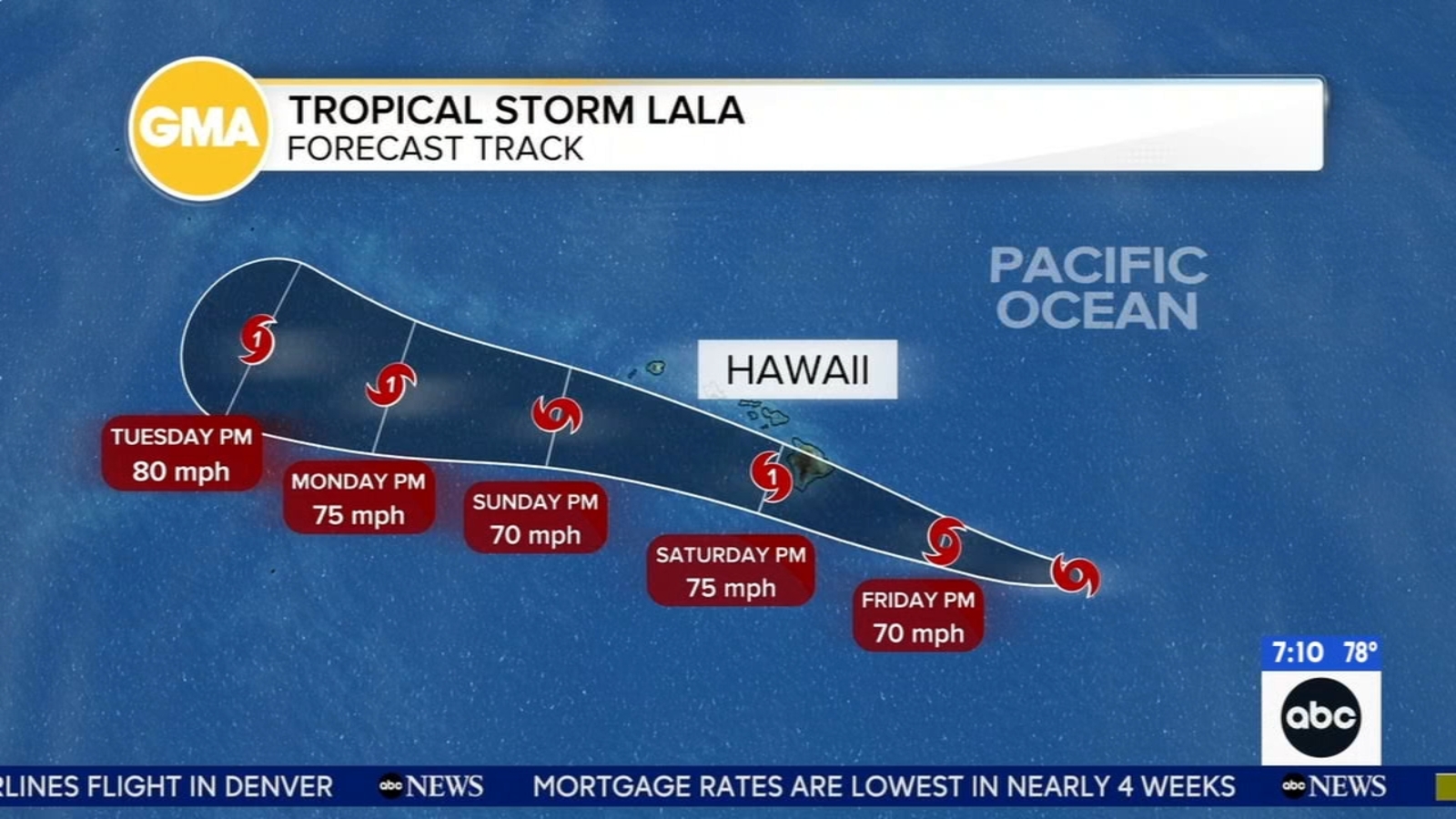
Hawaii's Big Island prepares for a rare hurricane landfall as Lala, now a Category 1 hurricane,...

The island of Hawaii is bracing for the impact of Hurricane Lala, which has strengthened...

A rare earthquake with a magnitude of 5 struck the city of Granada in southern Spain, causing...
Get the latest updates on South Central Indiana Flooding, a region at high risk of catastrophic...

Netizen tidak senang dengan komentar-komentar yang diberikan

BTS mungkin kembali mengikuti Grammy setelah rekanan mereka, Recording Academy, mengumumkan revisi...
BTS mungkin tidak akan mengubah keputusan untuk mengabaikan Grammy karena deadline pengiriman musik...
Update terbaru tentang keputusan BTS untuk tidak mengirimkan musik mereka untuk dijadikan nominee...
Pihak Recording Academy mengumumkan akan kembali meninju keputusan untuk memperkenalkan kategori...

Sangyeop Sangyeop mengumumkan rencananya untuk menikah dengan seorang non-celebrity, mengejutkan...