




The Independence of the US Department of Justice: Todd Blanche's Uncertain Pledge
The Importance of an Independent US Department of Justice: Understanding Todd Blanche's Remarks
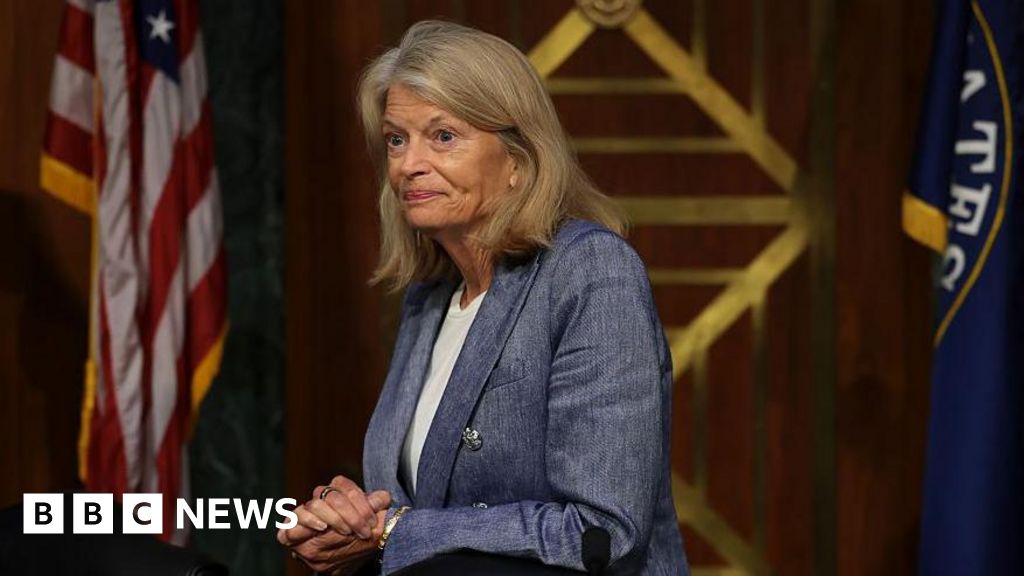
Republican Senator Lisa Murkowski announced she would oppose President Donald Trump's nominee for US Attorney General, citing concerns over the politicization of the Justice Department. This decision comes after Murkowski expressed her reservations about the nomination, stating that the country needs an Attorney General who will check the worst impulses of the administration. Murkowski's opposition is significant, as it could potentially jeopardize Blanche's confirmation. The Senator's decision is also notable, given that she has been a key player in several high-profile nominations in the past. Furthermore, Murkowski's announcement highlights the ongoing debates and controversies surrounding the Trump administration's nominees.
Trump seeks to install Todd Blanche, his former personal defense attorney who is currently acting Attorney General, to run the Justice Department on a permanent basis. However, Blanche has faced opposition from a small number of Republicans, including Senator Susan Collins, who has also expressed her intention to vote against the nomination. The opposition from these Senators is largely due to concerns over Blanche's role in the administration's handling of several high-profile cases, including the Epstein files and the creation of a controversial anti-weaponization fund. Additionally, Blanche's leadership style and his ability to maintain the independence of the Justice Department have been called into question. As a result, the confirmation of Blanche is now in jeopardy, and it remains to be seen whether he will be able to secure the necessary votes to be confirmed.
The politicization of the Justice Department is a complex issue, with roots dating back to previous administrations. However, Murkowski and other critics argue that the current administration has accelerated this trend, with Blanche's nomination being a prime example. The administration's handling of the Epstein files and the creation of the anti-weaponization fund have been particularly contentious, with many arguing that these actions undermine the integrity of the Justice Department. Moreover, the fact that Blanche has previously pledged to walk back the nearly $2 billion fund after blowback from Republican senators during his confirmation hearings raises further questions about his ability to lead the department. The fund was planned to provide compensation to individuals who alleged government persecution, but critics fear it would go to individuals who were prosecuted for participating in the January 6, 2021, attack on Congress.
Murkowski's decision to oppose Blanche's nomination is also significant in the context of the current political landscape. With Republicans holding 53 seats in the 100-person chamber, the loss of Murkowski's vote could potentially be decisive. Additionally, the absence of Senator Mitch McConnell due to illness and the uncertainty surrounding Senator Bill Cassidy's vote further complicate the situation. Cassidy, who lost his Louisiana primary this year after Trump backed his challenger, has yet to say whether he will support Blanche. As a result, the nomination is now teetering on a knife's edge, with the outcome far from certain. The implications of this nomination are far-reaching, with potential consequences for the administration's agenda and the future of the Justice Department.
The implications of Murkowski's opposition to Blanche's nomination are multifaceted. On one hand, it highlights the ongoing debates and controversies surrounding the Trump administration's nominees. On the other hand, it underscores the importance of the Justice Department's independence and the need for an Attorney General who can maintain that independence. The fact that Murkowski and other Senators are willing to oppose the nomination, despite potential backlash from the administration, demonstrates their commitment to upholding the principles of the Justice Department. Furthermore, the nomination has sparked a wider debate about the role of the Attorney General and the need for greater transparency and accountability within the Justice Department. The outcome of this nomination will have significant implications for the administration's agenda and the future of the Justice Department.
Looking ahead, the future of Blanche's nomination remains uncertain. While the administration is likely to continue pushing for his confirmation, the opposition from Murkowski and other Senators has raised significant doubts about his ability to secure the necessary votes. As a result, the administration may need to reconsider its strategy and potentially withdraw the nomination or put forward an alternative candidate. The nomination has also sparked a wider debate about the role of the Attorney General and the need for greater transparency and accountability within the Justice Department. Ultimately, the outcome of this nomination will have significant implications for the administration's agenda and the future of the Justice Department. The administration's handling of the nomination and the subsequent fallout will be closely watched, as it will provide insight into the administration's priorities and its ability to work with Congress.
The nomination of Todd Blanche for Attorney General has sparked a heated debate about the politicization of the Justice Department and the need for an independent Attorney General. The opposition from Murkowski and other Senators has highlighted the importance of maintaining the independence of the Justice Department and the need for an Attorney General who can uphold that independence. The nomination has also raised questions about the administration's handling of high-profile cases and its commitment to transparency and accountability. As the nomination process continues, it is likely that these debates and controversies will only intensify, with significant implications for the administration's agenda and the future of the Justice Department. The outcome of this nomination will be closely watched, as it will provide insight into the administration's priorities and its ability to work with Congress.
In conclusion, the nomination of Todd Blanche for Attorney General is a complex and contentious issue, with significant implications for the administration's agenda and the future of the Justice Department. The opposition from Murkowski and other Senators has raised doubts about Blanche's ability to secure the necessary votes, and the administration may need to reconsider its strategy. The nomination has sparked a wider debate about the role of the Attorney General and the need for greater transparency and accountability within the Justice Department. Ultimately, the outcome of this nomination will have significant implications for the administration's agenda and the future of the Justice Department, and it will be closely watched by politicians, pundits, and the public alike.
Republican Senator Lisa Murkowski announces opposition to Todd Blanche's nomination for US Attorney General, citing concerns over politicization of the Justice Department
The Importance of an Independent US Department of Justice: Understanding Todd Blanche's Remarks

Representative Nancy Mace embarks on a new journey, unveiling her full sleeves of long-concealed...

FITSNews reports on Nancy Mace's transition from outgoing congresswoman to online talk show host,...
President Trump's recent order for the Pentagon to curtail military exercises with South Korea has...
President Donald Trump Orders Pentagon to Scale Back Joint Exercises with South Korea as Part of...
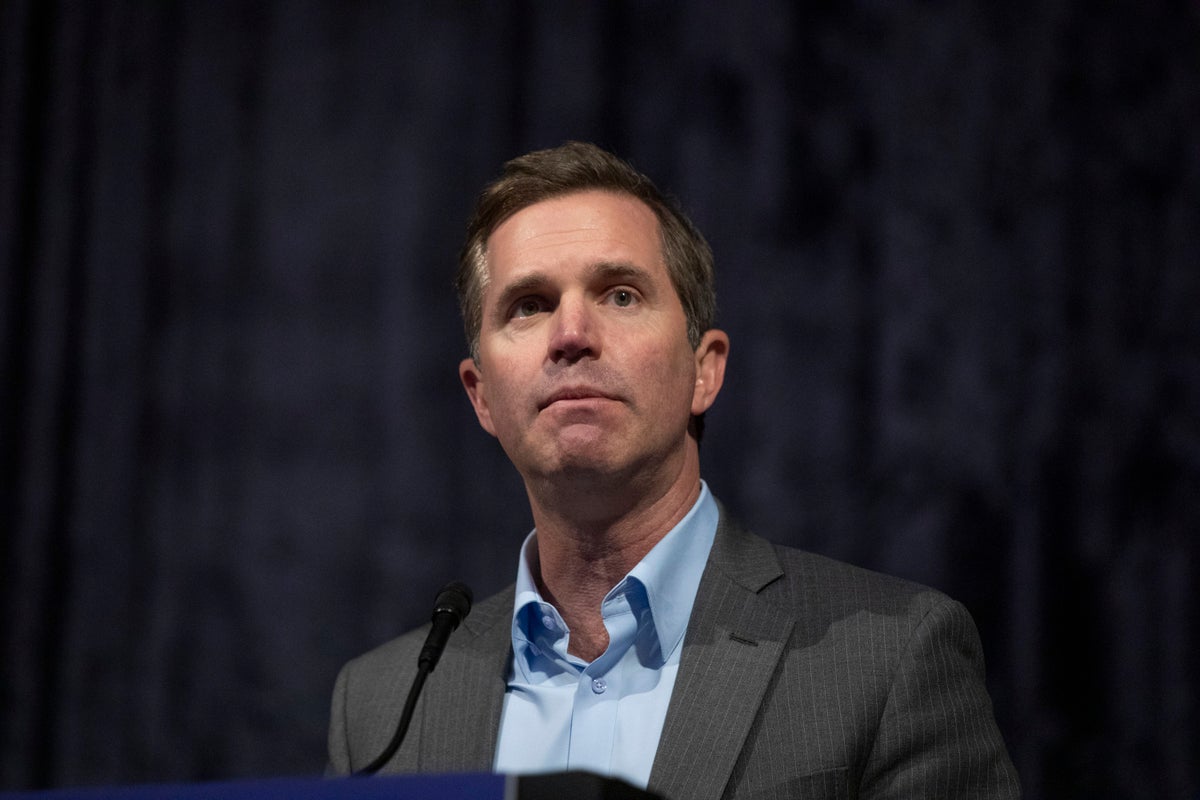
Kentucky governor Andy Beshear criticizes McConnell's lack of transparency about his health

Netizen tidak senang dengan komentar-komentar yang diberikan

BTS mungkin kembali mengikuti Grammy setelah rekanan mereka, Recording Academy, mengumumkan revisi...
BTS mungkin tidak akan mengubah keputusan untuk mengabaikan Grammy karena deadline pengiriman musik...
Update terbaru tentang keputusan BTS untuk tidak mengirimkan musik mereka untuk dijadikan nominee...
Pihak Recording Academy mengumumkan akan kembali meninju keputusan untuk memperkenalkan kategori...

Sangyeop Sangyeop mengumumkan rencananya untuk menikah dengan seorang non-celebrity, mengejutkan...