



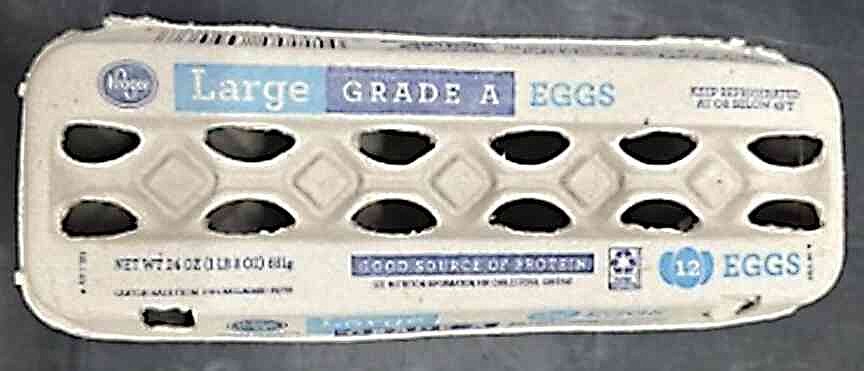
A Serious Warning from the FDA: Texas-Sold Eggs May Contain Salmonella
A Serious Warning from the FDA: Texas-Sold Eggs May Contain Salmonella

The recall of iceberg lettuce by Taylor Farms is a significant development in the context of food safety in the United States. The decision to recall the lettuce, which was shipped to 27 states including Massachusetts, comes after concerns were raised about the potential contamination of the product with Cyclospora, a microscopic parasite known to cause severe gastrointestinal symptoms in infected individuals. The parasite, which can be found in human feces, is typically associated with the consumption of contaminated water or food. Cyclospora infections can lead to a range of symptoms, including diarrhea, frequent bowel movements, and in some cases, more serious complications. According to health experts, most people infected with Cyclospora develop these symptoms within a few days of exposure, although the duration and severity of the illness can vary significantly from person to person.
Taylor Farms, the company at the center of the recall, has been proactive in addressing the issue. The company has stated that they are actively removing the affected products from the market and have suspended distribution of the iceberg lettuce from Central Mexico to the United States. This action is seen as a critical step in preventing further contamination and protecting consumer health. The move follows a detailed analysis of the company's supply chain and distribution networks, highlighting the complexity of the challenge in ensuring food safety across international borders. The shredded iceberg product was distributed between June 29 and July 16 to a wide range of states, underscoring the potential scale of the outbreak if not managed effectively.
The states affected by the recall include Alabama, Arkansas, Connecticut, Florida, Georgia, Iowa, Illinois, Indiana, Kansas, Kentucky, Louisiana, Massachusetts, Maryland, Michigan, Missouri, Mississippi, North Carolina, New Hampshire, New Jersey, Ohio, Oklahoma, Pennsylvania, South Carolina, Tennessee, Texas, Virginia, and Wisconsin. The recall highlights the interconnected nature of the food supply chain and the potential risks associated with the distribution of fresh produce across different regions. Consumers in these states are advised to check their refrigerators for the recalled lettuce and to discard it immediately to avoid the risk of infection. Furthermore, retailers are working closely with health authorities to remove the affected products from their shelves, demonstrating a collaborative approach to addressing the outbreak.
The impact of the recall on consumers and retailers alike is significant. For consumers, there is an obvious concern about the safety of the food they purchase, particularly when it comes to fresh produce. Retailers, on the other hand, face the challenge of managing inventory, handling customer inquiries, and ensuring compliance with regulatory requirements. The situation also underscores the importance of transparency and communication in the food industry, with companies and regulatory bodies needing to work together to provide timely and accurate information to the public. In addition, the recall serves as a reminder of the critical role that food safety plays in protecting public health, and the need for constant vigilance in this area.
From a broader perspective, the recall of iceberg lettuce due to Cyclospora contamination highlights the ongoing challenges in ensuring food safety. The globalization of the food supply chain has increased the complexity of managing risks and preventing outbreaks. Health experts and regulatory bodies are continually working to improve detection methods, enhance surveillance, and develop more effective strategies for controlling the spread of foodborne pathogens. The use of advanced technologies, such as genomic sequencing, is also becoming more prevalent in tracing the source of outbreaks and in developing targeted interventions. As consumers become more aware of the potential risks associated with their food, there is a growing demand for higher standards of safety and quality in the food industry.
The future outlook in terms of managing Cyclospora outbreaks and similar food safety issues is multifaceted. It involves a combination of improved agricultural practices, more stringent quality control measures in the supply chain, and enhanced public health surveillance. Education and awareness campaigns also play a critical role in empowering consumers to make informed choices about the food they eat and to take appropriate precautions to protect themselves from foodborne illnesses. Furthermore, the development of new technologies and diagnostic tools will be essential in detecting and responding to outbreaks more effectively. Through a coordinated approach that involves government agencies, the food industry, and the public, it is possible to reduce the incidence of foodborne illnesses and to promote a safer, healthier food environment for everyone.
In conclusion, the recall of iceberg lettuce due to Cyclospora contamination is a critical food safety issue that affects not only Massachusetts but many states across the United States. It underscores the importance of vigilance, cooperation, and continuous improvement in the food industry and public health sectors. As the situation evolves, it will be essential to monitor developments closely and to apply the lessons learned from this outbreak to enhance food safety practices and protect consumer health in the long term. The recall also serves as a reminder of the complex interplay between food safety, public health, and the economy, highlighting the need for a comprehensive and sustained approach to addressing these challenges.
A recent recall of iceberg lettuce has been issued by Taylor Farms, affecting 27 states including Massachusetts, due to potential contamination with Cyclospora, a microscopic parasite that can cause severe gastrointestinal symptoms.
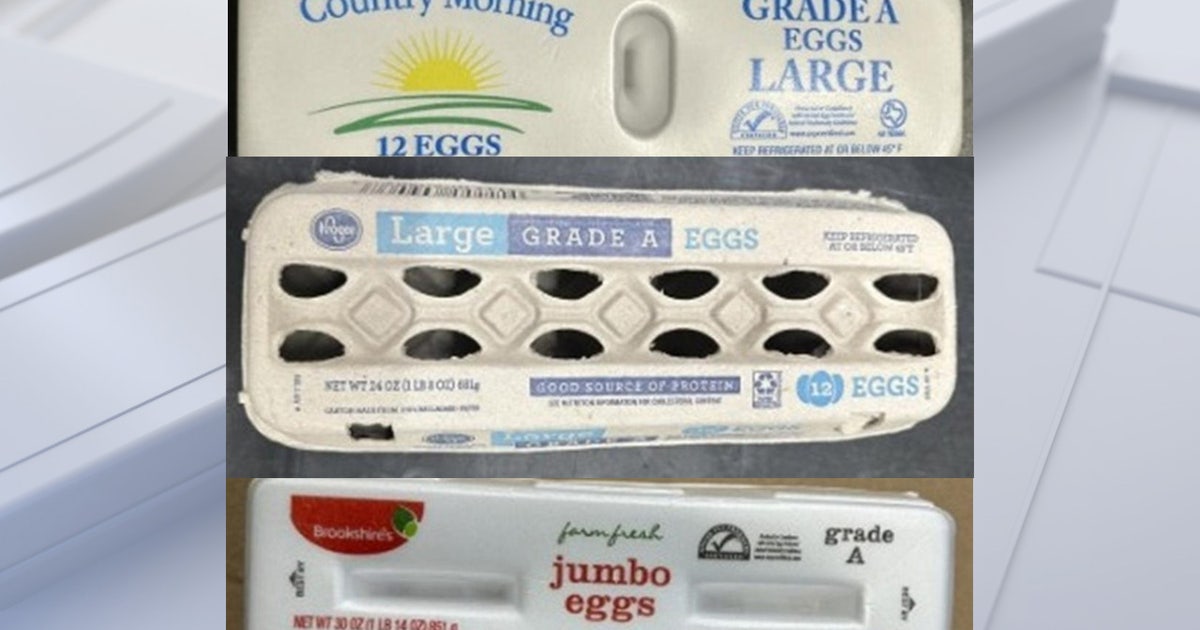
A Serious Warning from the FDA: Texas-Sold Eggs May Contain Salmonella

The FDA has elevated the recent egg recall to its highest level due to a significant Salmonella...
The US FDA has upgraded the egg recall linked to Salmonella poisoning to the highest risk level,...
The U.S. Food and Drug Administration (FDA) has upgraded the risk level of a recent egg recall to...
FDA Upgrades Egg Recall to Class I: What It Means for Consumers Elpasotimes.com
Salmonella infections are a significant public health concern, with the potential to cause serious...

Netizen tidak senang dengan komentar-komentar yang diberikan

BTS mungkin kembali mengikuti Grammy setelah rekanan mereka, Recording Academy, mengumumkan revisi...
BTS mungkin tidak akan mengubah keputusan untuk mengabaikan Grammy karena deadline pengiriman musik...
Update terbaru tentang keputusan BTS untuk tidak mengirimkan musik mereka untuk dijadikan nominee...
Pihak Recording Academy mengumumkan akan kembali meninju keputusan untuk memperkenalkan kategori...

Sangyeop Sangyeop mengumumkan rencananya untuk menikah dengan seorang non-celebrity, mengejutkan...