



Ice Cream Brand Sold in Houston Files for Bankruptcy After Van Leeuwen Lawsuit
Ice cream brand sold in Houston faces financial repercussions after losing a high-profile lawsuit...
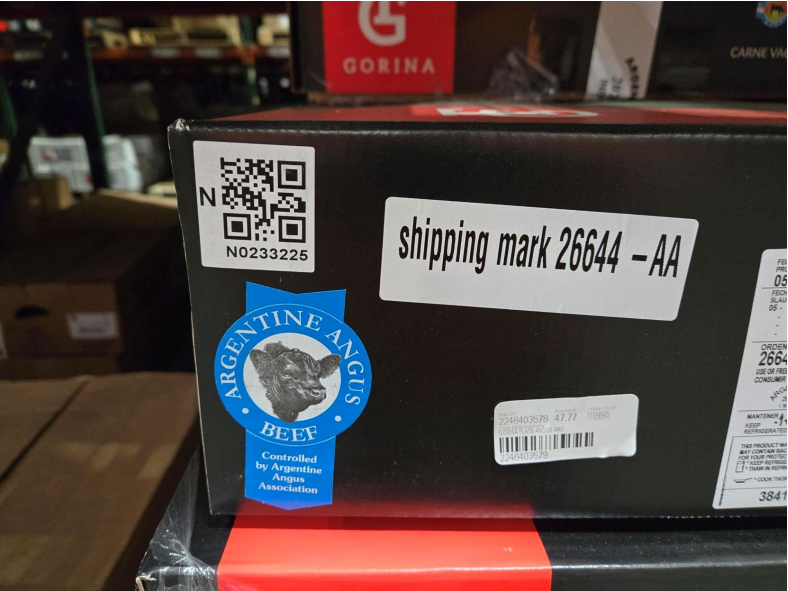
The recall of nearly 30,000 pounds of raw beef in Texas and Florida has raised concerns among consumers about the safety of their food supply. The products in question were imported from Argentina and distributed by Corte Argentino USA LLC, a company based in Aventura, Florida. According to the U.S. Department of Agriculture's Food Safety & Inspection Service, the recalled beef was produced between May 15 and May 20 and has use or freeze-by dates between September 15 and September 20. This means that consumers who have purchased these products may still have them in their homes, unaware of the potential risks. It is crucial for individuals to check their refrigerators and freezers for the recalled beef and to take immediate action if they find any of the affected products.
The reason behind this recall is the failure to inspect the beef upon its entry into the United States, which is a critical step in ensuring food safety. The USDA's Food Safety & Inspection Service is responsible for inspecting all meat and poultry products imported into the country to prevent the spread of diseases and contaminants. The lack of inspection in this case poses a significant risk to public health, as the beef may contain harmful bacteria or other pathogens. Although there have been no confirmed reports of illness related to the recalled beef, the potential for harm is still present, and consumers should exercise caution. Those who have consumed the recalled beef and are experiencing symptoms of foodborne illness should seek medical attention immediately.
Consumers who have purchased the recalled beef are advised not to consume it and to either discard it or return it to the store where it was purchased. This is the safest course of action to prevent any potential harm from the contaminated products. Additionally, individuals with questions about food safety or concerns about their health can contact the USDA's Meat and Poultry Hotline at 888-MPHotline (888-674-6854) or send an email to [email protected] for guidance. The USDA website also provides valuable information on food safety and recalls, including details on how to identify recalled products and what steps to take if you have purchased a recalled item.
The impact of this recall extends beyond the consumers who have purchased the affected products. It also affects the companies involved, including Corte Argentino USA LLC, which may face financial losses and reputational damage as a result of the recall. Furthermore, the incident highlights the importance of strict food safety protocols and the need for vigilance in the food industry to protect public health. Companies must adhere to all regulations and guidelines to ensure that their products are safe for consumption. The USDA and other regulatory agencies play a crucial role in enforcing these standards and holding companies accountable for any violations.
The recall of the raw beef in Texas and Florida serves as a reminder of the complexities and challenges of the global food supply chain. With products being imported from around the world, there is an increased risk of contamination or other safety issues. To mitigate these risks, it is essential to have robust inspection and testing protocols in place, as well as effective communication and cooperation among all stakeholders involved in the food supply chain. This includes producers, distributors, retailers, and regulatory agencies. By working together, we can reduce the likelihood of food safety incidents and protect the health and well-being of consumers.
Looking ahead, the recall of the raw beef will likely lead to increased scrutiny of food safety protocols, particularly for imported products. Regulatory agencies may re-evaluate their inspection procedures and consider implementing more stringent measures to prevent similar incidents in the future. Companies involved in the food industry will also need to reassess their practices and ensure that they are complying with all relevant regulations and guidelines. Additionally, consumers will need to remain vigilant and take an active role in ensuring their own food safety by being informed about recalls and taking appropriate action when necessary.
In conclusion, the recall of nearly 30,000 pounds of raw beef in Texas and Florida is a significant incident that underscores the importance of food safety and the need for ongoing vigilance in the food industry. By understanding the background and implications of this recall, consumers and companies can take necessary steps to protect themselves and others from potential harm. The situation also highlights the critical role of regulatory agencies in enforcing food safety standards and the need for effective communication and cooperation among all stakeholders in the food supply chain.
For those seeking more information on this recall or on food safety in general, there are several resources available. The USDA website provides detailed information on food recalls, including the affected products, the reasons for the recall, and the actions consumers should take. Additionally, the USDA's Meat and Poultry Hotline is available to answer questions and provide guidance on food safety issues. Consumers can also contact the company that produced the recalled beef, Corte Argentino USA LLC, for more information on the recall and what steps they are taking to address the issue.
As the situation continues to evolve, it is essential for consumers to stay informed about any updates or developments related to the recall. This includes monitoring the USDA website and other reliable sources for information on food safety and recalls. By staying informed and taking an active role in ensuring their own food safety, consumers can help protect themselves and their families from the risks associated with contaminated food products.
The recall of the raw beef in Texas and Florida is a complex issue with significant implications for consumers, companies, and regulatory agencies. As we move forward, it will be crucial to learn from this incident and to implement measures to prevent similar recalls in the future. This includes improving inspection protocols, enhancing communication among stakeholders, and promoting a culture of food safety within the food industry. By working together, we can create a safer and more reliable food supply chain that protects the health and well-being of consumers.
A significant recall of nearly 30,000 pounds of raw beef has been issued in Texas and Florida due to a lack of inspection upon entry into the United States. This recall affects products produced by Corte Argentino USA LLC between May 15 and May 20.
Ice cream brand sold in Houston faces financial repercussions after losing a high-profile lawsuit...

Shooting in Hollywood Leaves Two Injured: Understanding the Aftermath WPLG Local 10
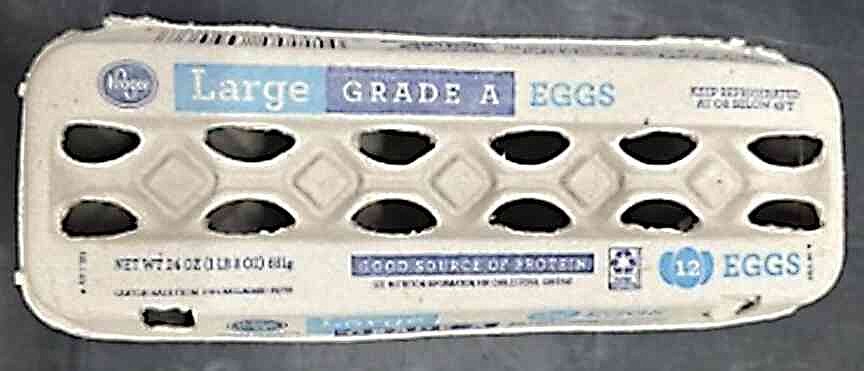
A Serious Warning from the FDA: Texas-Sold Eggs May Contain Salmonella

Experience the nostalgic charm of EPCOT's retro-futuristic Dreamfinder attraction as it returns to...
The FDA has elevated the recent egg recall to its highest level due to a significant Salmonella...
The US FDA has upgraded the egg recall linked to Salmonella poisoning to the highest risk level,...

Netizen tidak senang dengan komentar-komentar yang diberikan

BTS mungkin kembali mengikuti Grammy setelah rekanan mereka, Recording Academy, mengumumkan revisi...
BTS mungkin tidak akan mengubah keputusan untuk mengabaikan Grammy karena deadline pengiriman musik...
Update terbaru tentang keputusan BTS untuk tidak mengirimkan musik mereka untuk dijadikan nominee...
Pihak Recording Academy mengumumkan akan kembali meninju keputusan untuk memperkenalkan kategori...

Sangyeop Sangyeop mengumumkan rencananya untuk menikah dengan seorang non-celebrity, mengejutkan...