
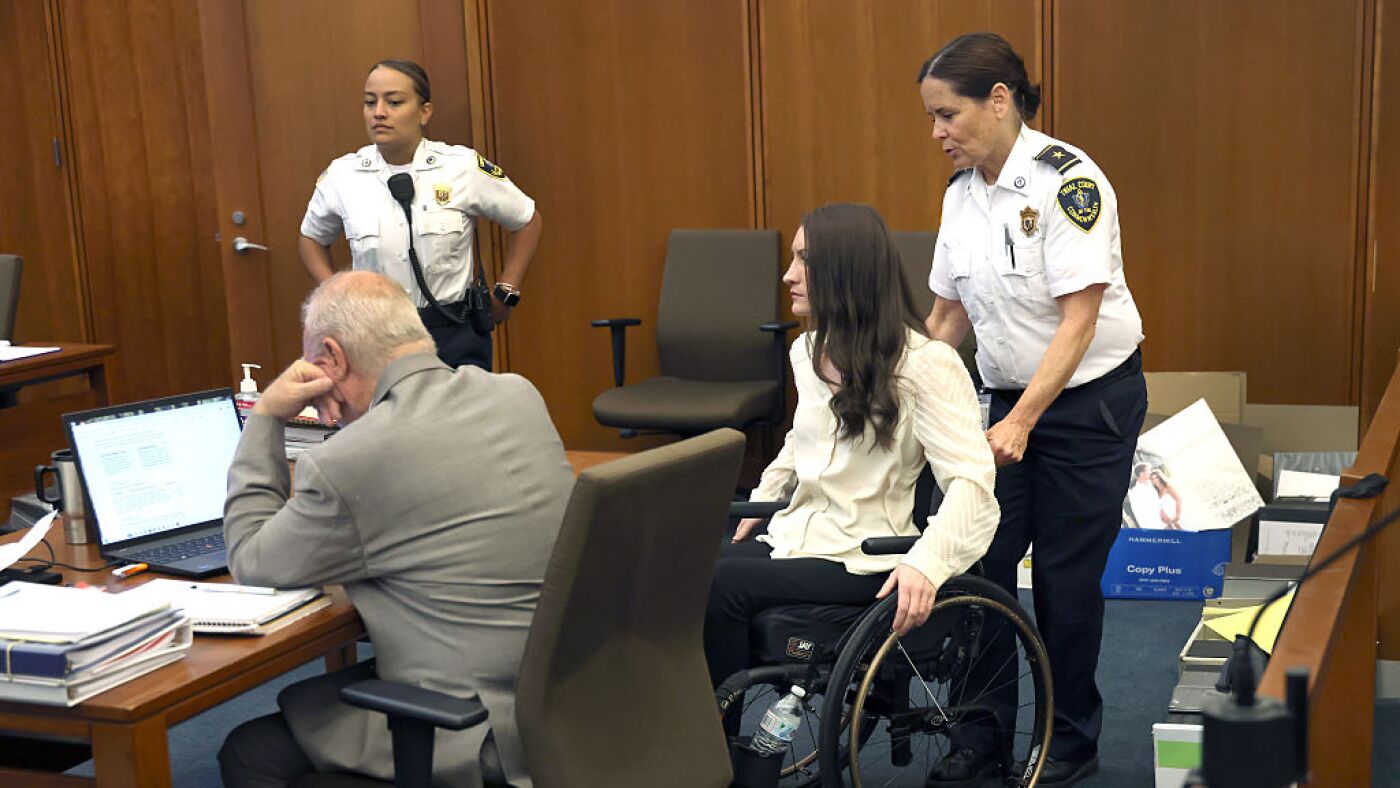
Lindsay Clancy's Trial Sheds Light on the Hidden Dangers of Postpartum Psychosis
Lindsay Clancy's trial raises crucial questions about postpartum psychosis, a little-understood...

Published: July 27, 2026 at 11:13 AM
On July 13, 2026, Major Pharmaceuticals initiated a voluntary recall of multiple strengths and lot numbers of levothyroxine sodium tablets across the United States. The recall affects a widely used thyroid medication, sparking concerns that the tablets may contain less active ingredient than required, thereby reducing their potency. This development is a stark reminder of the importance of patient safety and the need for pharmaceutical companies to ensure the quality of their products.
Twelve separate product lines are included in the recall, spanning seven dosage strengths: 25 mcg, 50 mcg, 75 mcg, 88 mcg, 112 mcg, 125 mcg, and 150 mcg. All products are packaged in unit dose blister cartons and were packaged and distributed by Major Pharmaceuticals out of Indianapolis. This recall is significant, as levothyroxine sodium is a synthetic thyroid hormone commonly prescribed to treat hypothyroidism, a condition in which the thyroid gland does not produce enough hormone on its own.
Levothyroxine sodium works by directly replacing or supplementing natural thyroid hormone levels, making even small reductions in potency potentially devastating for patients. Subpotent thyroid medication could lead to under-treatment, allowing hypothyroid symptoms such as fatigue, weight gain, cold sensitivity, and cognitive difficulties to persist or worsen. Patients who believe they may have received affected product are urged to contact their healthcare provider to ensure their treatment is adjusted accordingly.
The recall is ongoing, with notification letters sent to consignees and the public. Patients with questions about whether their prescription is affected should check the lot number on their medication packaging and consult their pharmacist or physician. Healthcare providers and pharmacies that have distributed the affected lots should follow standard recall procedures and quarantine any remaining inventory to prevent further distribution.
The FDA uses a tiered classification system for drug recalls, with Class I being the most serious, involving products that could cause serious injury or death. The current recall is classified as a Class II recall, indicating that use of the affected medication may cause temporary or medically reversible adverse health consequences, but with a remote probability of serious harm. While the recall is a precautionary measure, it highlights the critical importance of pharmaceutical quality control and patient vigilance in ensuring the safety and efficacy of medications.
The recall is also a reminder for patients to remain informed and proactive about their medication, including regular check-ins with their healthcare provider and adherence to prescribed treatment plans. As the pharmaceutical industry continues to evolve, addressing the complexities of medication safety and efficacy will be critical in preventing similar recalls in the future.
Pharmaceutical companies must prioritize quality control measures to prevent subpotent medications from entering the market. Patients, in turn, must be aware of their medications' potential risks and take steps to mitigate these risks. By promoting a culture of patient safety and proactive vigilance, we can work towards a future where patients can trust the medications they rely on to maintain their health and well-being.
As of now, there is no estimated timeframe for the completion of the recall or the resumption of normal distribution of the affected medication. Patients and healthcare providers are advised to monitor official announcements and follow established protocols to minimize disruptions to treatment.
A Class II recall is considered a serious event, and the FDA's swift action in implementing the recall underscores the importance of maintaining public trust in the pharmaceutical industry. In the wake of this recall, patients, healthcare providers, and pharmaceutical companies must come together to address the underlying issues that led to this situation.
A major recall of levothyroxine sodium tablets in the US highlights concerns over subpotent medications and the importance of patient vigilance
Lindsay Clancy's trial raises crucial questions about postpartum psychosis, a little-understood...
The high-profile trial of Lindsay Clancy, who is accused of murdering her three children,...

A recent medical emergency has left Earth, Wind & Fire drummer John Paris in a critical condition,...

Earth, Wind and Fire drummer John Paris' cardiac incident highlights the importance of artist...

Bruce Willis Makes Rare Appearance at Daughter Tallulah's Wedding Amid Dementia Battle
A heart-wrenching story of postpartum psychosis unfolds in the Lindsay Clancy case, as a survivor...

Netizen tidak senang dengan komentar-komentar yang diberikan

BTS mungkin kembali mengikuti Grammy setelah rekanan mereka, Recording Academy, mengumumkan revisi...
BTS mungkin tidak akan mengubah keputusan untuk mengabaikan Grammy karena deadline pengiriman musik...
Update terbaru tentang keputusan BTS untuk tidak mengirimkan musik mereka untuk dijadikan nominee...
Pihak Recording Academy mengumumkan akan kembali meninju keputusan untuk memperkenalkan kategori...

Sangyeop Sangyeop mengumumkan rencananya untuk menikah dengan seorang non-celebrity, mengejutkan...