


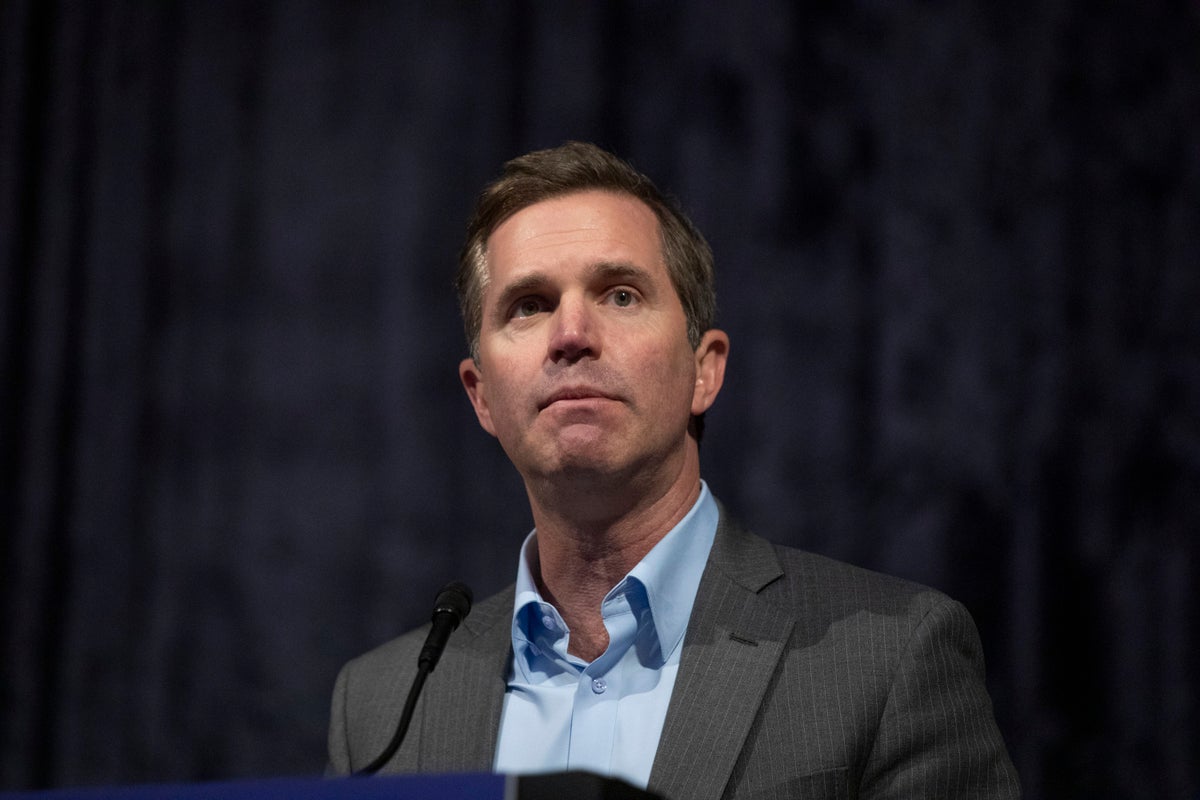
Kentucky Governor Expresses Concern Over Lack of Updates on Mitch McConnell's Health
Kentucky Governor Andy Beshear has spoken out about the lack of communication from Senator Mitch...
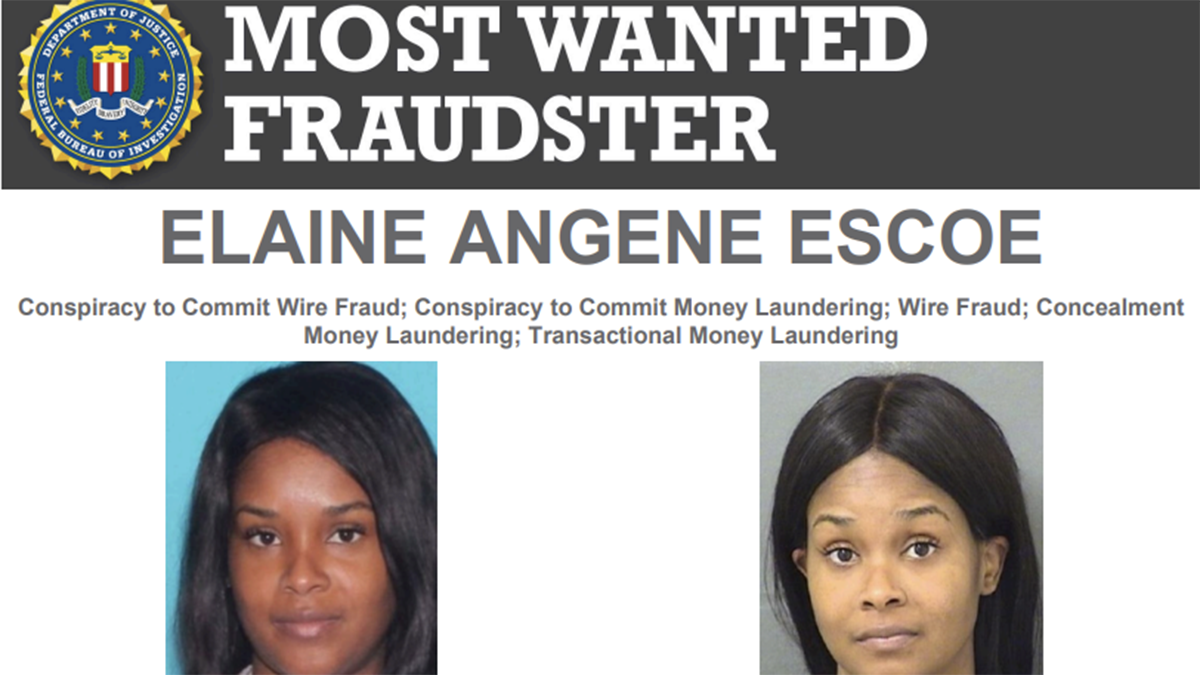
The COVID-19 pandemic has left a lasting impact on the world, with many individuals and businesses affected by the economic downturn. However, some people took advantage of the situation by exploiting government relief programs. One such example is the case of Elaine Angene Escoe, a 41-year-old woman from South Florida, who has been charged in a $32 million COVID relief fraud scheme. According to federal investigators, Escoe and her co-conspirators submitted over 90 fraudulent applications for funds from various government programs, including the Paycheck Protection Program and the Restaurant Revitalization Fund. The applications allegedly contained false information regarding employee counts, payroll expenses, and business revenues. The scheme resulted in the wrongful disbursement of approximately $29.1 million in PPP funds, $1.2 million in RRF funds, and $3.8 million in SVOG funds.
The FBI had been tracking Escoe for some time and had offered a reward of up to $150,000 for information leading to her arrest and conviction. Escoe was last seen in Palm Beach County on June 3, 2025, and had been scheduled for an appearance in court two days later but never showed up. A federal arrest warrant had been issued for her on May 22, 2025. After a tip was received by Jamaican authorities, Escoe was captured and returned to South Florida to face federal charges. Escoe is one of the first eight fugitives to make the new list announced by FBI Director Kash Patel back in June. When asked about the arrest, an FBI spokesperson stated that the agency is committed to bringing those who exploit government programs to justice.
Escoe faces multiple charges, including conspiracy to commit wire fraud, conspiracy to commit money laundering, wire fraud, concealment of money laundering, and transactional money laundering. If convicted, Escoe could face significant prison time. The case against Escoe is part of a larger effort by the government to crack down on COVID-19 relief fund fraud. In 2025, a federal jury convicted Alfred Davis, Cher Davis, and Latoya Clark in connection with the same scheme, while James McGhow and Gino Jourdan previously pleaded guilty. The defendants were sentenced to varying prison terms, with Davis receiving the longest sentence of 235 months. The case highlights the need for vigilance in preventing and detecting fraud, particularly in times of crisis when government programs are most vulnerable to exploitation.
The implications of the COVID-19 relief fund fraud scheme are far-reaching. Not only does it undermine trust in government programs, but it also diverts much-needed funds away from legitimate businesses and individuals. According to a report by the US Government Accountability Office, the risk of fraud in COVID-19 relief programs is high due to the speed and volume of payments being made. The report recommends that agencies take steps to prevent and detect fraud, including implementing robust internal controls and conducting regular audits. In response to the report, the government has taken steps to strengthen its fraud prevention and detection efforts, including the creation of the FBI's new list of most wanted fraudsters.
The case against Escoe and her co-conspirators serves as a reminder of the importance of accountability in government programs. As the US continues to grapple with the economic aftermath of the pandemic, it is crucial that efforts are made to prevent and detect fraud. This includes not only law enforcement agencies but also government agencies, businesses, and individuals. By working together, we can ensure that government programs are used for their intended purpose and that those who exploit them are brought to justice. When asked about the case, a government official stated that the administration is committed to protecting the integrity of government programs and will continue to take steps to prevent and detect fraud.
In terms of future outlook, the case against Escoe and her co-conspirators is likely to have significant implications for the prevention and detection of COVID-19 relief fund fraud. The FBI's new list of most wanted fraudsters is a key component of this effort, as it raises awareness about the issue and encourages the public to come forward with information. Additionally, the government's efforts to strengthen its fraud prevention and detection efforts are likely to bear fruit in the coming months and years. As the US continues to recover from the pandemic, it is crucial that we prioritize accountability and transparency in government programs. By doing so, we can ensure that those who exploit these programs are brought to justice and that much-needed funds are directed to those who need them most.
The capture of Escoe in Jamaica is a significant development in the case, as it demonstrates the international cooperation and collaboration that is necessary to bring those who exploit government programs to justice. The FBI worked closely with Jamaican authorities to track down Escoe and bring her back to the US to face charges. This level of cooperation is essential in preventing and detecting fraud, particularly in cases where individuals may attempt to flee the country to avoid prosecution. When asked about the international cooperation in the case, an FBI spokesperson stated that the agency is committed to working with its international partners to bring those who commit fraud to justice, regardless of where they may be located.
In conclusion, the case against Escoe and her co-conspirators is a significant reminder of the importance of accountability in government programs. The COVID-19 relief fund fraud scheme is a complex and multifaceted issue that requires a comprehensive and coordinated response. By prioritizing prevention and detection efforts, strengthening internal controls, and promoting international cooperation, we can ensure that government programs are used for their intended purpose and that those who exploit them are brought to justice. As the US continues to grapple with the economic aftermath of the pandemic, it is crucial that we remain vigilant and committed to protecting the integrity of government programs.
A South Florida woman wanted for her alleged role in a $32 million COVID-19 relief funds fraud scheme has been arrested in Jamaica and returned to South Florida to face federal charges.


Kentucky Governor Andy Beshear has spoken out about the lack of communication from Senator Mitch...
Learn how to check if your car has been searched by Flock cameras and understand the implications...

Kentucky Gov. Andy Beshear shares his thoughts on Sen. Mitch McConnell's recent refusal to make a...
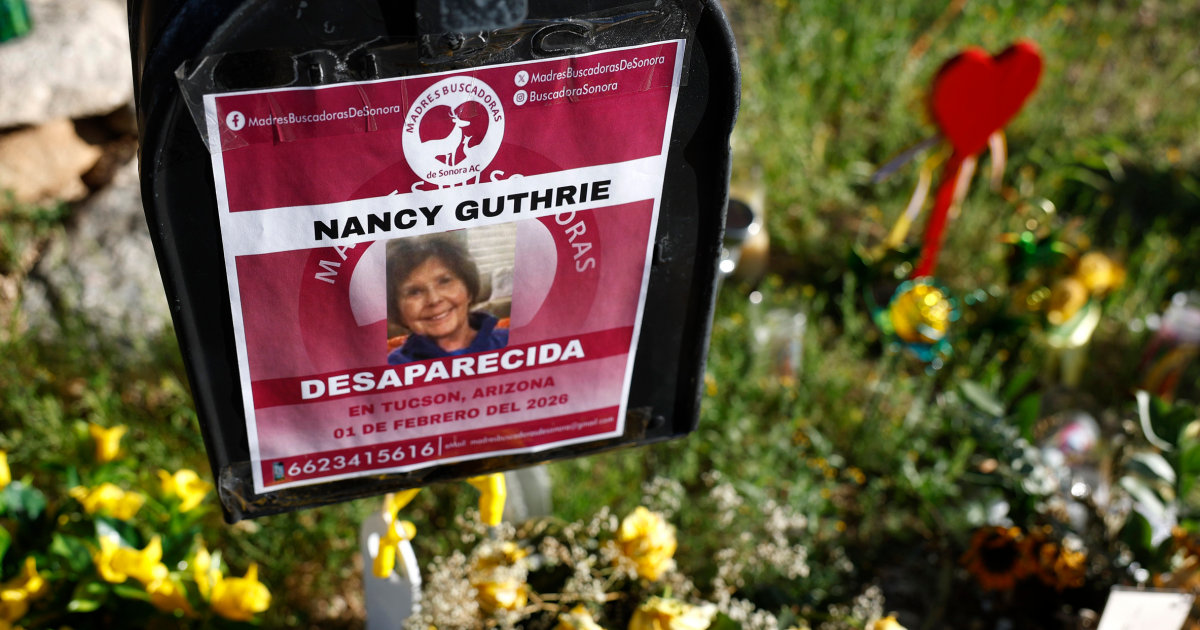
Investigation into Nancy Guthrie's Disappearance: Attorney General Todd Blanche's Perspective on...
Michigan Community Mourns After String of Shootings Leaves 6 Dead, Including Suspect, with One...
A rare earthquake with a magnitude of 5 struck the city of Granada in southern Spain, causing...

Netizen tidak senang dengan komentar-komentar yang diberikan

BTS mungkin kembali mengikuti Grammy setelah rekanan mereka, Recording Academy, mengumumkan revisi...
BTS mungkin tidak akan mengubah keputusan untuk mengabaikan Grammy karena deadline pengiriman musik...
Update terbaru tentang keputusan BTS untuk tidak mengirimkan musik mereka untuk dijadikan nominee...
Pihak Recording Academy mengumumkan akan kembali meninju keputusan untuk memperkenalkan kategori...

Sangyeop Sangyeop mengumumkan rencananya untuk menikah dengan seorang non-celebrity, mengejutkan...