


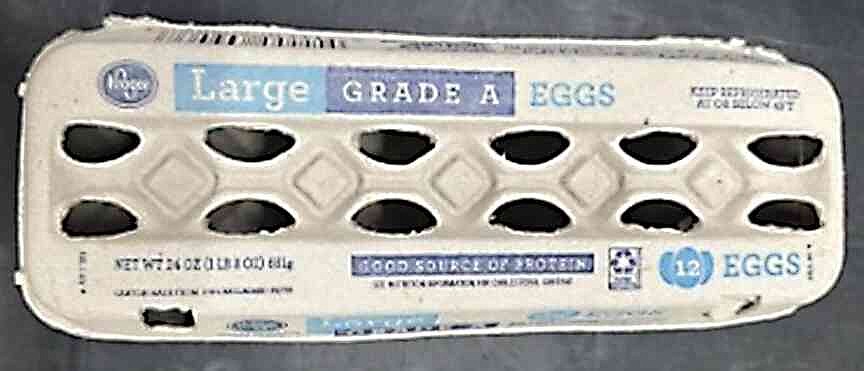
A Serious Warning from the FDA: Texas-Sold Eggs May Contain Salmonella
A Serious Warning from the FDA: Texas-Sold Eggs May Contain Salmonella

The Food and Drug Administration (FDA) has issued a stern warning about a Salmonella outbreak tied to contaminated eggs, which has left a trail of devastation in its wake, infecting 98 people in 17 states since November. At the heart of this outbreak are two egg-laying facilities in the United States, which were found to have compromised hygiene practices and lax inspection processes. The resulting tainted eggs have been distributed across the country, further exacerbating the crisis. This latest outbreak has raised serious concerns about the safety and quality of the US egg industry, highlighting the need for more stringent regulations and greater transparency.
According to the FDA, the contaminated eggs were produced by two separate facilities: Egg Innovations, Inc. of Browns Summit, North Carolina, and Almark Foods of Gainesville, Georgia. Investigations so far have revealed a litany of infractions, including inadequate sanitation, unhygienic egg washing procedures, and a failure to properly inspect eggs before they left the production facilities. These practices create an ideal breeding ground for Salmonella bacteria, which can be spread through contaminated eggs and result in severe food poisoning. As the FDA continues its probe, it's clear that more needs to be done to ensure public safety.
Salmonella infections, also known as salmonellosis, can cause a range of symptoms, including fever, abdominal cramps, diarrhea, and vomiting. In severe cases, it can lead to life-threatening complications such as reactive arthritis, bloodstream infections, and even death. The Centers for Disease Control and Prevention (CDC) estimates that salmonellosis affects over 1.2 million people annually in the United States, resulting in over 26,000 hospitalizations and 420 deaths. As the egg contamination crisis unfolds, many are left wondering how this could happen in a country with some of the strictest food safety regulations in the world.
The implications of this outbreak are far-reaching, touching on concerns about the integrity of the US food supply chain, the vulnerability of the food production system to contamination, and the capacity of regulatory agencies to respond effectively to public health crises. Experts warn that the lack of transparency and accountability within the egg industry could exacerbate the problem, allowing contaminated eggs to slip through the cracks and end up on consumers' tables. As consumers become increasingly aware of the risks associated with contaminated food products, there is a growing demand for greater accountability and action from regulatory bodies and industry leaders.
Looking ahead, the FDA has pledged to take a tougher stance on enforcement, vowing to conduct more rigorous inspections and impose harsher penalties on errant facilities. In the meantime, consumers are advised to exercise extreme caution when handling eggs, washing their hands thoroughly after touching eggs and egg-related products, and thoroughly cooking eggs to an internal temperature of at least 160°F (71°C) to minimize the risk of foodborne illness. As the country navigates this delicate food safety crisis, one thing is certain – change is on the horizon, and it's about time.
The salmonella outbreak serves as a stark reminder of the importance of food safety regulation and industry accountability. While the US food production system has long been considered one of the safest in the world, incidents like this outbreak highlight significant vulnerabilities in the system. In order to prevent similar outbreaks in the future, increased investment in food safety infrastructure, better enforcement of existing regulations, and a heightened sense of awareness among consumers will be crucial. The nation can no longer afford to take food safety for granted – it's time to take real action to safeguard the public's trust and protect people's health.
In the aftermath of this outbreak, it's essential to ask the right questions. Who is responsible for ensuring the safety of our food supply? What measures can we take to prevent similar incidents in the future? Where are the blind spots in our food safety system? Why have we allowed this situation to develop, and how do we break the cycle of neglect and complacency? How can we empower consumers to make informed choices and take control of their own health? By addressing these pressing questions head-on and confronting our collective neglect of food safety, we can work towards a safer, healthier future for all Americans.
The nation's egg producers have been put on notice, as the FDA has issued stern warnings and threatened severe penalties for non-compliance. Meanwhile, consumers are cautioned to exercise extreme vigilance when handling eggs, choosing to buy from reputable sources and being aware of the potential risks associated with contaminated eggs. In light of this outbreak, calls have been mounting for greater transparency and accountability within the egg industry, with many advocating for a complete overhaul of the current regulatory framework. As the situation continues to unfold, only time will tell whether the necessary reforms are implemented and the US food industry emerges stronger and safer as a result.
The Centers for Disease Control and Prevention (CDC) has reported 98 confirmed cases of Salmonella illness linked to the contaminated eggs, with the majority of those affected requiring hospitalization. Given the severity of this outbreak, it's clear that public health authorities must take a more decisive stance and take swift action to contain and mitigate the effects of this crisis. While the situation continues to evolve, there are lessons to be learned and steps that should be taken to prevent such a disaster from occurring in the future.
The public has every right to be concerned, and in the wake of this outbreak, the nation will be closely watching how the FDA and food industry respond to address the underlying causes of this crisis and to ensure that our food supply remains safe and wholesome. With growing awareness of the importance of food safety, it's time for the US to come together to build a better, more resilient food production system – one that is grounded in transparency, accountability, and consumer trust. Only by working together can we create a safer, healthier future for generations to come.
The recent salmonella outbreak serves as a stark reminder of the critical importance of maintaining the highest standards of food safety and hygiene practices in the egg-laying industry. By shedding light on this critical issue and highlighting the need for greater scrutiny, we hope to inspire a much-needed overhaul of our food production and regulatory frameworks, placing a priority on people's health and well-being above all else.
The current situation poses significant challenges to the US food system and has sparked calls for greater regulation and oversight of the egg industry. As consumers become increasingly aware of the potential risks associated with contaminated food products, industry leaders and regulatory bodies are under growing pressure to address these concerns and take immediate corrective action. There is no room for complacency in the face of foodborne illness, and we must remain vigilant in our pursuit of a safe and healthy food supply for all.
The FDA has issued an urgent warning about the Salmonella outbreak tied to contaminated eggs, reminding consumers to exercise extreme caution when handling eggs and emphasizing the importance of proper food handling practices to reduce the risk of foodborne illness. By remaining informed and taking proactive steps to protect oneself, consumers can stay safe during this crisis and help prevent similar outbreaks in the future.
The nationwide Salmonella outbreak linked to eggs serves as a clarion call for increased accountability and transparency within the US food industry. It is imperative that regulators and industry leaders work together to identify the root causes of this crisis and implement meaningful reforms to prevent such incidents from occurring in the future. This moment in time presents a unique opportunity to create a more robust and responsive food safety system – one that prioritizes public health and consumer well-being above all else.
The egg industry's lack of transparency and accountability has been widely criticized in recent days, with many calling for stricter regulations and more robust safety measures to be implemented. As consumers become increasingly concerned about the safety of the eggs they buy, food producers and regulatory agencies must work together to restore confidence in the US food system and reassure consumers that their health and safety are being prioritized above all else.
A nationwide Salmonella outbreak linked to contaminated eggs has infected 98 individuals across 17 states since November, sparking widespread alarm and calls for increased industry regulation, according to the FDA.
A Serious Warning from the FDA: Texas-Sold Eggs May Contain Salmonella

Experience the nostalgic charm of EPCOT's retro-futuristic Dreamfinder attraction as it returns to...
The FDA has elevated the recent egg recall to its highest level due to a significant Salmonella...
The US FDA has upgraded the egg recall linked to Salmonella poisoning to the highest risk level,...
The U.S. Food and Drug Administration (FDA) has upgraded the risk level of a recent egg recall to...

Knoxville Nationals Revamps Format and Lineups for a Pulsating Saturday

Netizen tidak senang dengan komentar-komentar yang diberikan

BTS mungkin kembali mengikuti Grammy setelah rekanan mereka, Recording Academy, mengumumkan revisi...
BTS mungkin tidak akan mengubah keputusan untuk mengabaikan Grammy karena deadline pengiriman musik...
Update terbaru tentang keputusan BTS untuk tidak mengirimkan musik mereka untuk dijadikan nominee...
Pihak Recording Academy mengumumkan akan kembali meninju keputusan untuk memperkenalkan kategori...

Sangyeop Sangyeop mengumumkan rencananya untuk menikah dengan seorang non-celebrity, mengejutkan...