




Understanding Flock Cameras: A Comprehensive Guide to Vehicle Surveillance
Learn how to check if your car has been searched by Flock cameras and understand the implications...
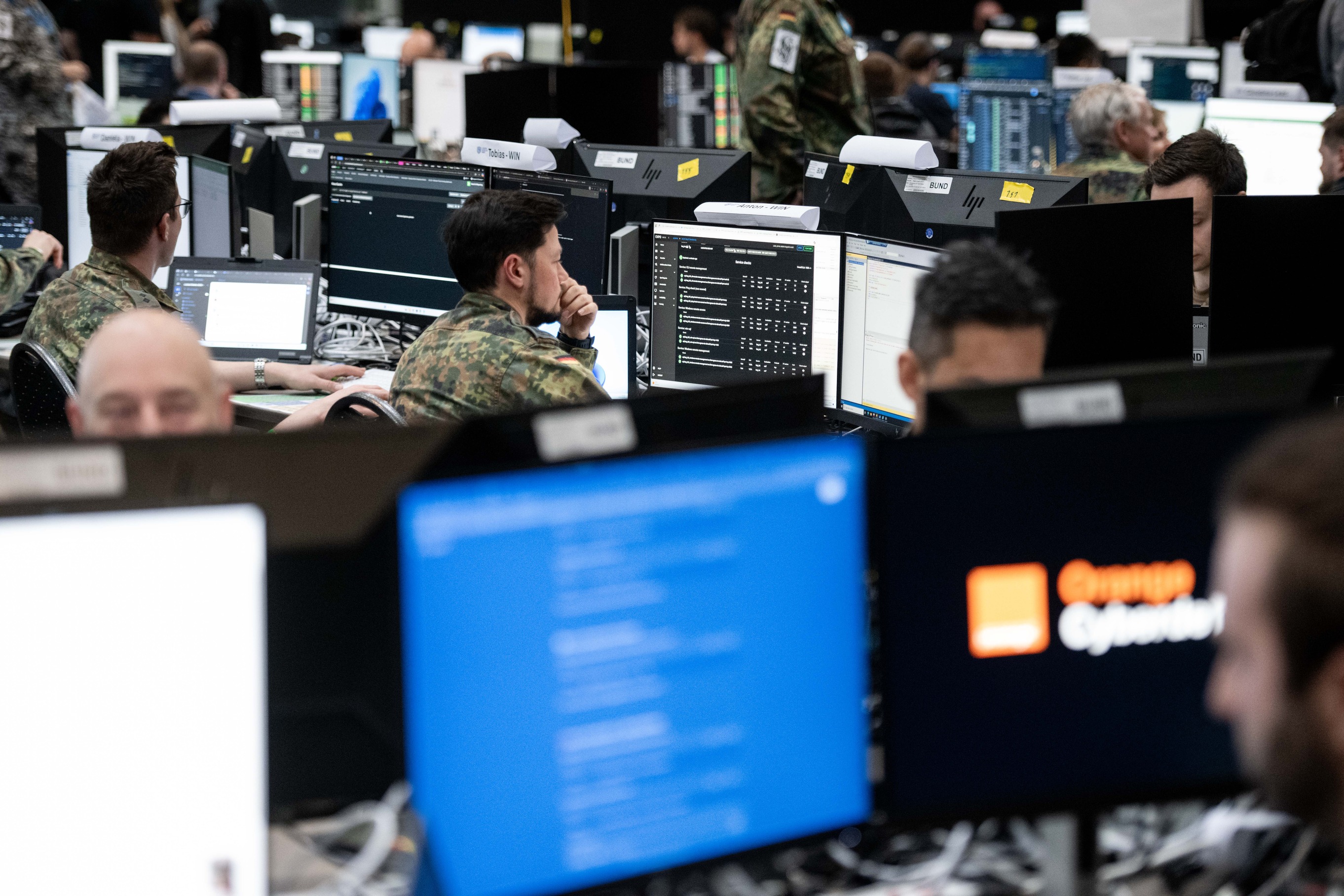
In an effort to bolster global cybersecurity, NATO's cyber defense arm and an AI startup have partnered to issue unique identifiers for publicly disclosed software flaws. This strategic collaboration aims to enhance the consistency and timeliness of vulnerability tracking, enabling governments, vendors, and researchers to share information more effectively. The NATO Cyber Security Centre, part of the NATO Communications and Information Agency, has joined forces with AISLE, a cybersecurity company, to become a CVE (Common Vulnerabilities and Exposures) numbering authority under the ENISA Root.
The CVE program assigns a unique record to each publicly disclosed security flaw, providing a common marker for governments, vendors, and researchers to reference specific vulnerabilities. This collaboration brings the total number of CVE numbering authorities to twenty, with twelve brought in by ENISA and eight transitioning from the MITRE Root, which has managed the program for over two decades.
ENISA's chief cybersecurity and operations officer, Hans de Vries, attributes the growth of the CVE program to the increasing importance of vulnerability management infrastructure and capabilities, driven by recent developments in the global cybersecurity landscape. Frontier AI models have significantly impacted vulnerability discovery and exploitation, highlighting the need for strong and globally representative vulnerability identification systems.
The collaboration between NATO and AISLE illustrates the unique value each member brings to the table. NATO's Cyber Security Centre can now assign CVE IDs to eligible flaws across the NATO enterprise, streamlining tracking and enabling the alliance to share information with trusted partners more promptly. AISLE's authorization is more restrictive, allowing it to publish identifiers for vulnerabilities discovered in its own products without waiting for a third-party authority.
Jaya Baloo, co-founder of AISLE, views this designation as a foundational step towards coordinated disclosure and emphasizes the importance of holding its own products to the same high standards it expects from others. The company has already disclosed hundreds of vulnerabilities in widely used open-source software, highlighting the significance of coordinated disclosure. By leveraging this designation, AISLE can publish identifiers more efficiently, ensuring that vulnerabilities are addressed promptly.
The partnership between NATO and AISLE comes amidst the CVE process undergoing significant changes. The program has faced turmoil, including a 2025 contract extension that averted a shutdown. Subsequently, competing databases have been established to better coordinate vulnerability tracking, disclosure, and patching. The Computer Incident Response Center Luxembourg (CIRCL) has launched the Global CVE Allocation System (GCVE) as an alternative to the CVE program.
As the cybersecurity landscape continues to evolve, leveraging AI-powered approaches becomes increasingly crucial. This collaboration between NATO and AISLE underscores the significance of embracing cutting-edge technologies to address emerging threats and vulnerabilities. By assigning and tracking software vulnerabilities, they are taking a crucial step towards enhancing global cybersecurity and ensuring that vulnerabilities are addressed promptly and consistently.
The implications of this partnership are far-reaching, as it has the potential to set a new standard for vulnerability tracking and disclosure. By fostering global collaboration and coordination, the CVE program can more effectively address the rapidly growing number of vulnerabilities disclosed by AI systems. As the cybersecurity landscape continues to evolve, the need for robust and effective vulnerability management systems becomes increasingly critical.
Boosting global cybersecurity, NATO and an AI startup have collaborated to assign and track software vulnerabilities, leveraging AI-driven approaches.
Learn how to check if your car has been searched by Flock cameras and understand the implications...

Ukraine's military has launched one of its largest aerial attacks of the war, killing at least six...

Exploring the unique connection between comedian Larry David and the world of Electronic Arts

A comprehensive look at tennis, from its origins to its current state, covering key events, notable...

Unlock the Secret to Acquiring an iPhone 16 Pro for Around 700 € Instead of 1200 €: Discover...

Disney's D23 Expo has always been a highly anticipated event where the company showcases its...

Netizen tidak senang dengan komentar-komentar yang diberikan

BTS mungkin kembali mengikuti Grammy setelah rekanan mereka, Recording Academy, mengumumkan revisi...
BTS mungkin tidak akan mengubah keputusan untuk mengabaikan Grammy karena deadline pengiriman musik...
Update terbaru tentang keputusan BTS untuk tidak mengirimkan musik mereka untuk dijadikan nominee...
Pihak Recording Academy mengumumkan akan kembali meninju keputusan untuk memperkenalkan kategori...

Sangyeop Sangyeop mengumumkan rencananya untuk menikah dengan seorang non-celebrity, mengejutkan...