





Pemerintah Kabupaten Aceh Tamiang: Bumi Muda Sedia Pulih dan Bangkit
Pemerintah Kabupaten Aceh Tamiang: Bumi Muda Sedia Pulih dan Bangkit — Informasi Terbaru
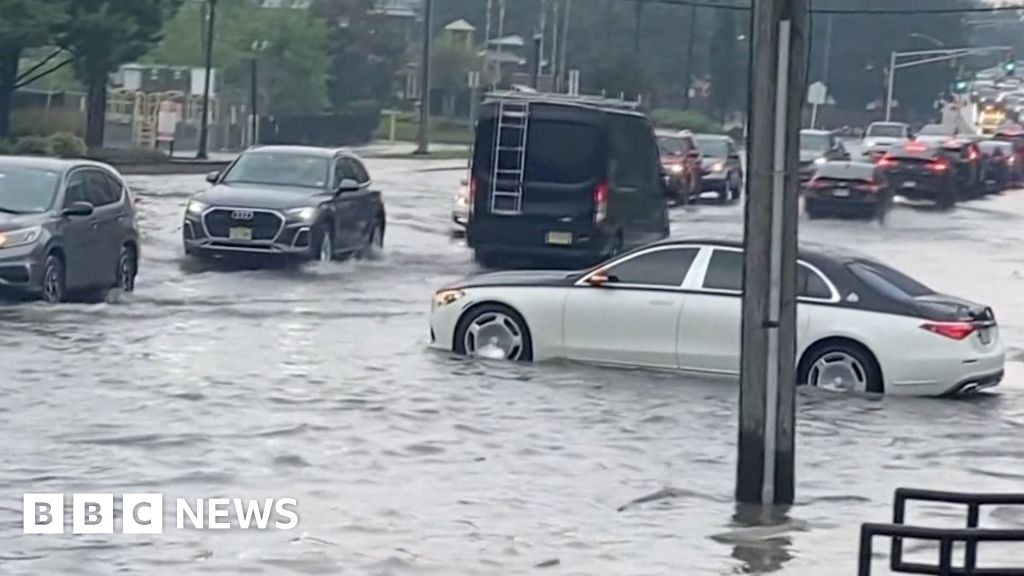
New York City and New Jersey were battered by torrential rain and thunderstorms on Saturday, triggering flash flooding and widespread disruption. The downpour, which was a result of a low-pressure system that moved into the region, caused rivers to overflow and water to cascade into subway stations and flood city streets in parts of New York and the Tri-State area, which also includes Connecticut. As the rain intensified, multiple drivers abandoned their vehicles in rising water, with some vehicles submerged up to their roofs.
The scenes were chaotic, with videos shared on social media showing people wading through knee-deep water, vehicles surrounded by water, and multiple people being rescued by emergency services. Emergency responders were seen navigating flooded streets in inflatable boats, attempting to reach stranded drivers. The flooding was so severe that it prompted the National Weather Service to issue a Flash Flood Warning for the region, advising residents to stay indoors and avoid travel. The full extent of the damage was still being assessed on Sunday, but officials expected the numbers to be substantial.
Despite the initial focus on the immediate aftermath of the flash floods, attention is also being drawn to the more systemic issues that may have contributed to the severity of the flooding. Some experts have pointed to the increasingly unpredictable nature of weather due to climate change, saying that more frequent and intense storms are becoming the norm. 'We've been warning about this for years,' said Dr. Maria Rodriguez, a climate scientist at Columbia University. 'The science is clear: more intense storms are linked to global warming, and cities like New York need to take proactive steps to mitigate the impact.'
Furthermore, the severe flooding in New York City also highlighted the city's aging infrastructure, which is struggling to cope with the increasingly frequent flooding events. The city's sewer system, which was built in the 19th century, is not designed to handle the volume of stormwater that is now pouring in. 'We need to rethink our approach to stormwater management,' said City Council Member Helen Rosenthal. 'We can't just keep patching up the old infrastructure – we need to invest in new, more resilient systems that can support the city's growing population.'
The impact of the flash floods will be felt for weeks to come, as residents and businesses struggle to recover from the losses. With many residents displaced from their homes, there are concerns about the spread of disease and the strain on local infrastructure. The incident also serves as a stark reminder of the importance of preparedness and disaster planning, as highlighted by Mayor Eric Adams, who declared a state of emergency in response to the flooding.
As the waters recede, attention is turning to the long-term implications of this disaster. What role do extreme weather events play in highlighting the pressing needs of urban planning? How will this incident inform future policy decisions about infrastructure development and climate resilience? And what can cities like New York learn from international best practices in flood mitigation to minimize the impact of such events in the future?
Widespread flooding and disruptions rock New York City and surrounding areas as heavy storms bring heavy rain and strong winds
Pemerintah Kabupaten Aceh Tamiang: Bumi Muda Sedia Pulih dan Bangkit — Informasi Terbaru

Acara 600 ribu porsi kulinier gratis di Monas, menghidupkan semangat kebangsaan dan memperkuat rasa...

Hayden Panettiere, bintang televisi Amerika yang terkenal dengan perannya dalam serial 'Heroes' dan...
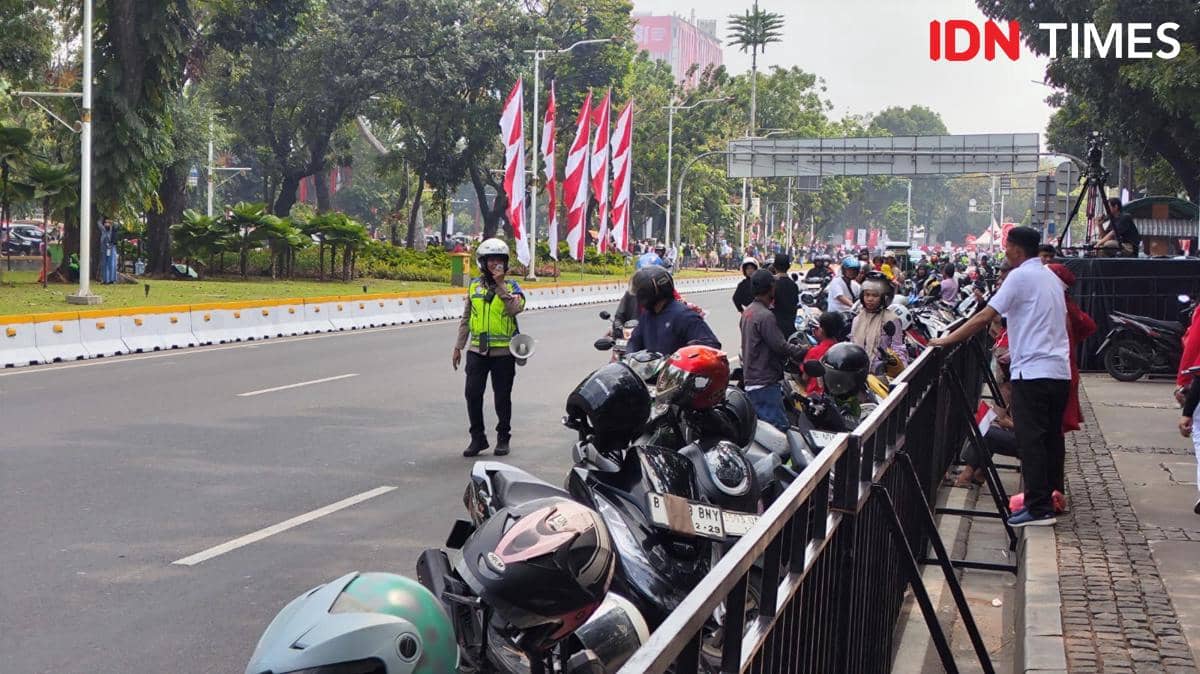
Jalan Merdeka Barat Dekat Istana Merdeka Jadi Parkir Liar Warga yang ke Monumen Nasional IDN Times

Kopassus Mengudara: Aksi Terjun Payung Terunggul di Istana Merdeka - Media Indonesia

Watch the live action of Tijuana vs. Cruz Azul, all the latest news, analysis, and match scores...

Netizen tidak senang dengan komentar-komentar yang diberikan

BTS mungkin kembali mengikuti Grammy setelah rekanan mereka, Recording Academy, mengumumkan revisi...
BTS mungkin tidak akan mengubah keputusan untuk mengabaikan Grammy karena deadline pengiriman musik...
Update terbaru tentang keputusan BTS untuk tidak mengirimkan musik mereka untuk dijadikan nominee...
Pihak Recording Academy mengumumkan akan kembali meninju keputusan untuk memperkenalkan kategori...

Sangyeop Sangyeop mengumumkan rencananya untuk menikah dengan seorang non-celebrity, mengejutkan...