



Tereza Valentova Outlasts Elina Svitolina in an Uplifting Thriller at Cincinnati
Elina Svitolina vs Tereza Valentova · Round 2 · Cincinnati Tennis.com - A nail-biting encounter...
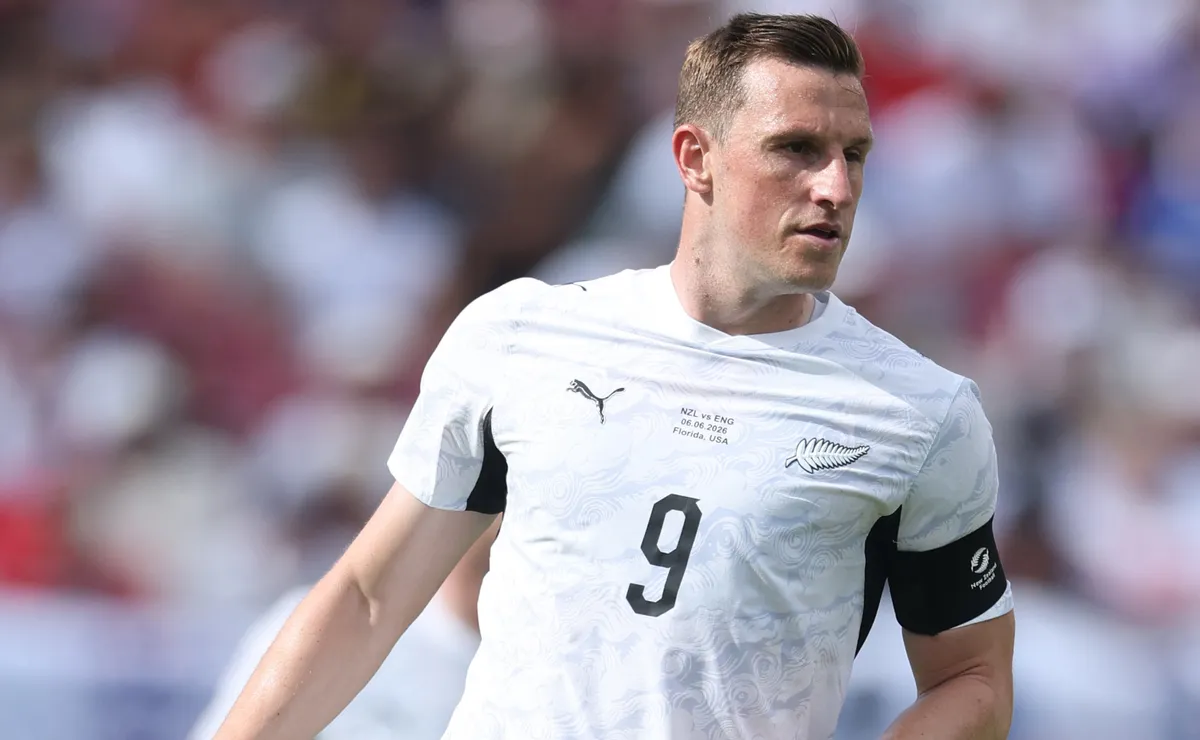
New Zealand makes a long-awaited return to the international stage this summer for the first time since 2010. Despite being the lowest-ranked nation in the 48-team field, a dominant qualification run provides momentum for the squad.
The primary goal is to secure the country's first-ever victory at the global tournament. New Zealand will rely on the goal-scoring ability of their star striker Chris Wood, a cohesive defensive approach, and the experience of a coach familiar with the roster.
This preview breaks down the New Zealand 2026 World Cup squad, tactical setup, and group-stage expectations.
Darren Bazeley's side emphasizes a structured, possession-based approach against regional opponents. However, their New Zealand tactical analysis reveals a necessary shift when facing higher-caliber international soccer teams.
Against stronger opposition, the All Whites transition into a resilient defensive block. They rely on organization and physical durability to frustrate attackers. During recent friendlies against top-tier nations, their forward pass completion dropped significantly, highlighting a struggle to build from the back under intense pressure.
Offensively, the team depends on set pieces and aerial deliveries. They dominated aerial duels during their regional qualifiers, making dead-ball situations their most reliable route to goal.
Without significant creativity in open play, the New Zealand formation must prioritize defensive solidity while maximizing the limited service provided to their target man. This pragmatic approach will dictate whether they can remain competitive in their group.
Bazeley became the permanent New Zealand coach in 2023 following a successful stint as interim manager. His connection to the national team setup spans over a decade.
Bazeley holds the distinction of leading the nation at the U-17, U-20, and senior levels. This extensive background means he has previously coached nearly every player on the current roster. His familiarity with the squad fosters strong internal chemistry.
While Bazeley prefers an attacking philosophy, he recognizes the need for pragmatism against elite competition. His ability to adapt his preferred style to the realities of the tournament will influence how the team handles adversity in North America.
Chris Wood is the undisputed focal point of the New Zealand attack. The Nottingham Forest striker enters the summer with 45 goals in 88 international appearances.
Wood combines immense physical strength with elite aerial ability. His capacity to win individual battles makes him a constant threat inside the penalty area, particularly from set pieces. While he requires reliable service to be effective, his intelligent positioning creates valuable space for teammates.
As one of the New Zealand key players, Wood's fitness is vital. The talent gap behind him is significant, and his absence would severely diminish the team's offensive capabilities. If Wood is isolated or injured, the All Whites will struggle to find alternative scoring avenues.
New Zealand dominated the Oceanic qualifiers to secure the region's first direct entry slot. The team finished the campaign with a perfect five-win record, scoring 24 goals and conceding just once.
The All Whites defeated Vanuatu and Samoa in the second round before shutting out Fiji 5-0 on March 21, 2025. They secured their ticket to North America with a commanding 3-0 victory over New Caledonia on March 24, 2025. Wood led the line with nine goals, while Elijah Just added four during the flawless run.
The qualification campaign highlighted their regional supremacy, but the lack of elite opposition leaves questions about their readiness for the tournament.
New Zealand faces a significant increase in quality in Group G, drawing Belgium, Egypt, and Iran. The talent gap between the Kiwis and their opponents is substantial.
Belgium represents the most difficult matchup, featuring elite European quality that will test the defensive block. The fixtures against Egypt and Iran offer slightly more favorable, yet still challenging, opportunities to secure points. Success in this group hinges on their ability to frustrate opponents and capitalize on set-piece opportunities.
Avoiding a last-place finish in Group G would be a monumental achievement for the Oceanic representatives.
New Zealand enters the tournament as a heavy underdog, but they carry the organization needed to frustrate superior opponents. Their regional dominance proves they are a cohesive unit, yet the massive step up in competition remains their biggest challenge.
The team's reliance on Chris Wood for goals and their struggles in open play will test their tactical discipline. A realistic expectation for this World Cup 2026 team preview is to remain competitive in every match, with the ultimate goal of securing the first tournament victory in the nation's history.
Get ready for the Kiwis' World Cup adventure. We break down the NZ squad, key players, and tactics in our in-depth analysis.
Elina Svitolina vs Tereza Valentova · Round 2 · Cincinnati Tennis.com - A nail-biting encounter...
The Seattle Sounders take on the Vancouver Whitecaps in an electrifying match, with the two teams...

Ally Sentnor's 1st Angel City FC goal salvages draw with Washington ocregister.com

Watch the live action of Tijuana vs. Cruz Azul, all the latest news, analysis, and match scores...

The highly anticipated match between Lorenzo Sonego and Frances Tiafoe is set to take place in the...
.jpg?w=1120&h=630)
Dallas Cowboys' Next Move: Exploring Adoree' Jackson's Potential Signing After Von Miller's...

Netizen tidak senang dengan komentar-komentar yang diberikan

BTS mungkin kembali mengikuti Grammy setelah rekanan mereka, Recording Academy, mengumumkan revisi...
BTS mungkin tidak akan mengubah keputusan untuk mengabaikan Grammy karena deadline pengiriman musik...
Update terbaru tentang keputusan BTS untuk tidak mengirimkan musik mereka untuk dijadikan nominee...
Pihak Recording Academy mengumumkan akan kembali meninju keputusan untuk memperkenalkan kategori...

Sangyeop Sangyeop mengumumkan rencananya untuk menikah dengan seorang non-celebrity, mengejutkan...