




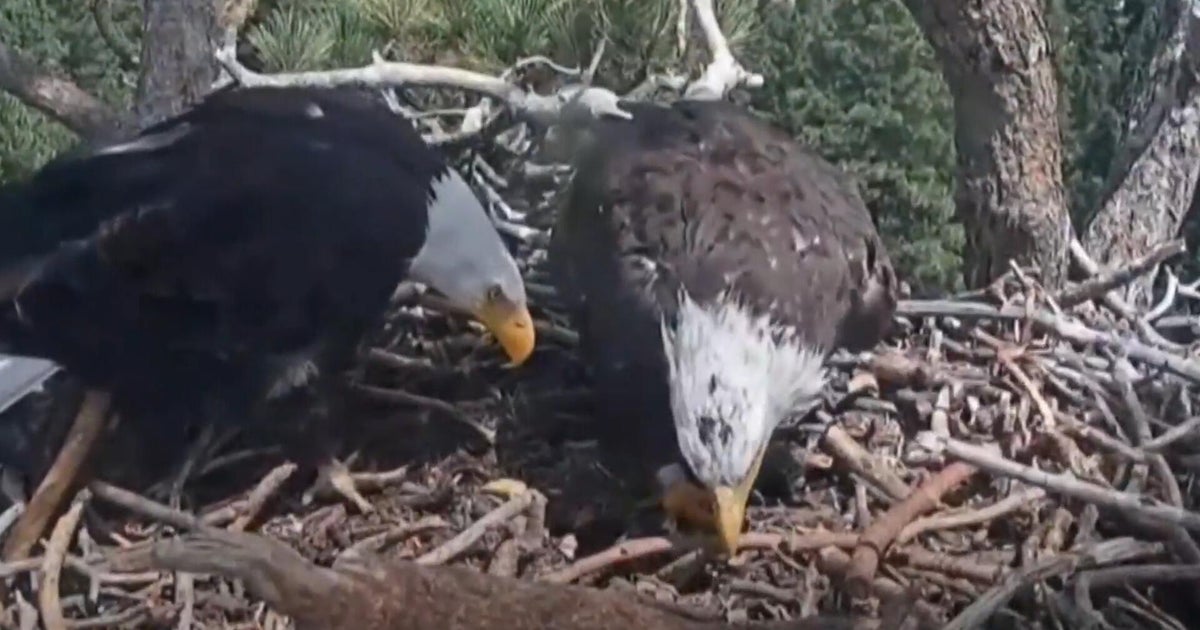
Renewed Optimism for California Birdwatchers Following the Disappearance of a Beloved Eagle
A recently missing eagle in California has sparked both concern and newfound hope among local...

Recently, a remarkable observation has been made regarding the hunting behavior of orcas, also known as killer whales. These intelligent and social marine mammals have been filmed making sunfish explode by ramming them at high speed, a strategy that, while seemingly brutal, highlights the complex and often surprising ways in which predators interact with their prey in the ocean. The orca, known for its distinctive black and white coloring and highly developed social structures, is at the top of the marine food chain, and its hunting behaviors have been the subject of extensive study. What makes this particular hunting technique so fascinating is the speed and precision with which orcas are able to strike their targets, using their powerful tails to build up enough velocity to cause significant damage to the sunfish. This behavior not only underscores the impressive physical capabilities of orcas but also raises interesting questions about the cognitive aspects of their hunting strategies, including how they identify and select their prey.
The sunfish, a species characterized by its large size and unique body shape, would seem like an unlikely target for orcas, given its size and the challenge it poses in terms of both capture and consumption. However, orcas are known for their adaptability and innovative hunting behaviors, which enable them to exploit a wide range of prey types. The act of ramming sunfish at high speed is a testament to the orca's ability to adapt to different prey and environments, showcasing their versatility as apex predators. This behavior also points to the complex dynamics at play in marine ecosystems, where predator and prey are locked in an evolutionary dance, each influencing the other's behaviors and adaptations over time. Understanding these interactions is critical for gaining insights into the health and resilience of marine ecosystems, as changes in predator or prey populations can have cascading effects throughout the ecosystem. Furthermore, the study of such behaviors can inspire new perspectives on the intricate social behaviors of orcas and their place within the marine food web.
From a scientific perspective, the observation of orcas ramming sunfish offers a unique opportunity to explore the physiological and cognitive underpinnings of orca behavior. By analyzing the speed, accuracy, and decision-making processes involved in these high-speed attacks, researchers can gain a deeper understanding of the neural and muscular mechanisms that enable such behaviors. This can also shed light on the social aspects of orca behavior, including how knowledge of hunting strategies is shared among group members and how such behaviors are passed down through generations. The implications of this research extend beyond the realm of marine biology, offering insights into the evolution of complex behaviors in social animals and the adaptive flexibility of species in response to changing environmental conditions. Moreover, studying the orca's hunting behavior can provide valuable lessons for conservation efforts, highlighting the importance of preserving the complex social structures and habitats of marine species.
The context in which these observations are made is crucial, as changes in marine ecosystems, such as shifts in prey populations or the introduction of new predators, can significantly impact the behaviors and populations of orcas. The study of orca behavior is also intertwined with broader conservation and management efforts aimed at protecting marine ecosystems. Understanding the dynamics between orcas and their prey can inform strategies for maintaining healthy prey populations, which in turn support the well-being of orca populations. This holistic approach to conservation recognizes the interconnectedness of species within an ecosystem and the need to manage these systems in a way that respects and preserves their natural balances. Additionally, as human activities continue to impact marine environments through pollution, overfishing, and climate change, the importance of studying and protecting apex predators like orcas cannot be overstated, as they play a critical role in maintaining the health and diversity of marine ecosystems.
Looking forward, the future outlook for orcas and their habitats is complex and influenced by a multitude of factors, including climate change, pollution, and overfishing. As apex predators, orcas are particularly vulnerable to the accumulation of toxins in their bodies, which can affect their reproductive success and overall health. Moreover, changes in ocean temperatures and chemistry can alter the distribution and abundance of their prey, forcing orcas to adapt their hunting strategies or migrate to new areas in search of food. The conservation of orca populations and their habitats is thus closely tied to broader efforts to mitigate the impacts of human activities on marine ecosystems. This includes implementing sustainable fishing practices, reducing marine pollution, and protecting critical habitats. By addressing these challenges, we can work towards ensuring the long-term survival of orcas and the preservation of the complex marine ecosystems they inhabit.
In conclusion, the observation of orcas making sunfish explode by ramming them at high speed is a remarkable insight into the intricate and often surprising world of marine predators and their prey. This phenomenon highlights the adaptability, intelligence, and social complexity of orcas, as well as the dynamic and interconnected nature of marine ecosystems. As we continue to learn more about these fascinating creatures and their behaviors, it is essential that we also acknowledge our responsibility to protect and conserve them, recognizing the critical role they play in maintaining the health and resilience of our planet's marine ecosystems. By supporting research, conservation, and sustainable practices, we can help ensure that orcas continue to thrive in their natural habitats, inspiring future generations with their majesty and intelligence.
New Scientist explores the fascinating world of orcas and their unique hunting techniques, specifically their high-speed ramming of sunfish, a phenomenon that has garnered significant attention and sparked intrigue among marine biologists and enthusiasts alike
A recently missing eagle in California has sparked both concern and newfound hope among local...

Experts warn of a potentially historic El Niño event, sparking concerns about global climate...

A young boy's surprising catch in a Pennsylvania lake has left experts baffled, raising questions...
A recent great white shark sighting prompts a precautionary swimming ban at Wells Beach in Maine....
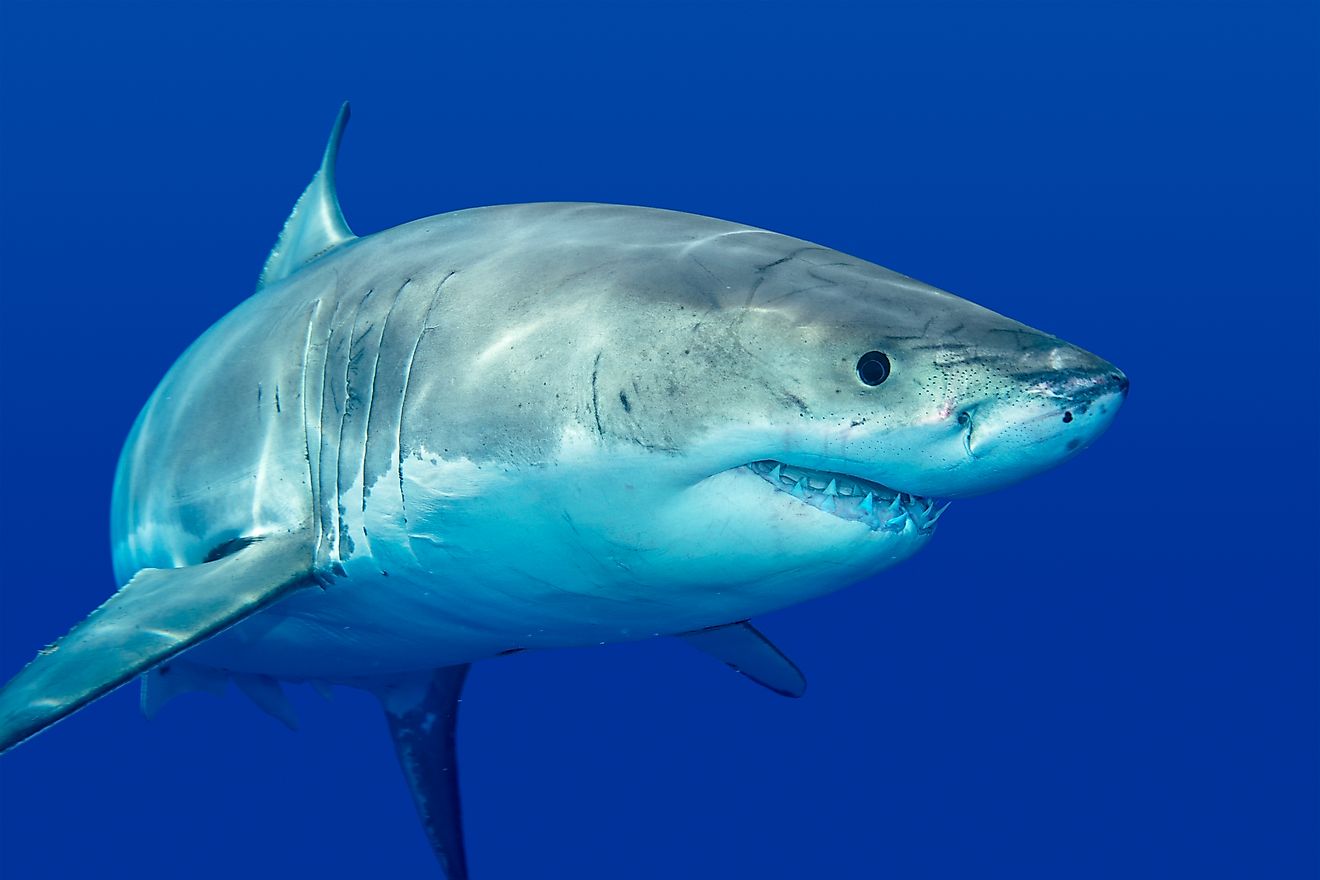
Discover the sharks most commonly found off the United States coast, including their habitats,...
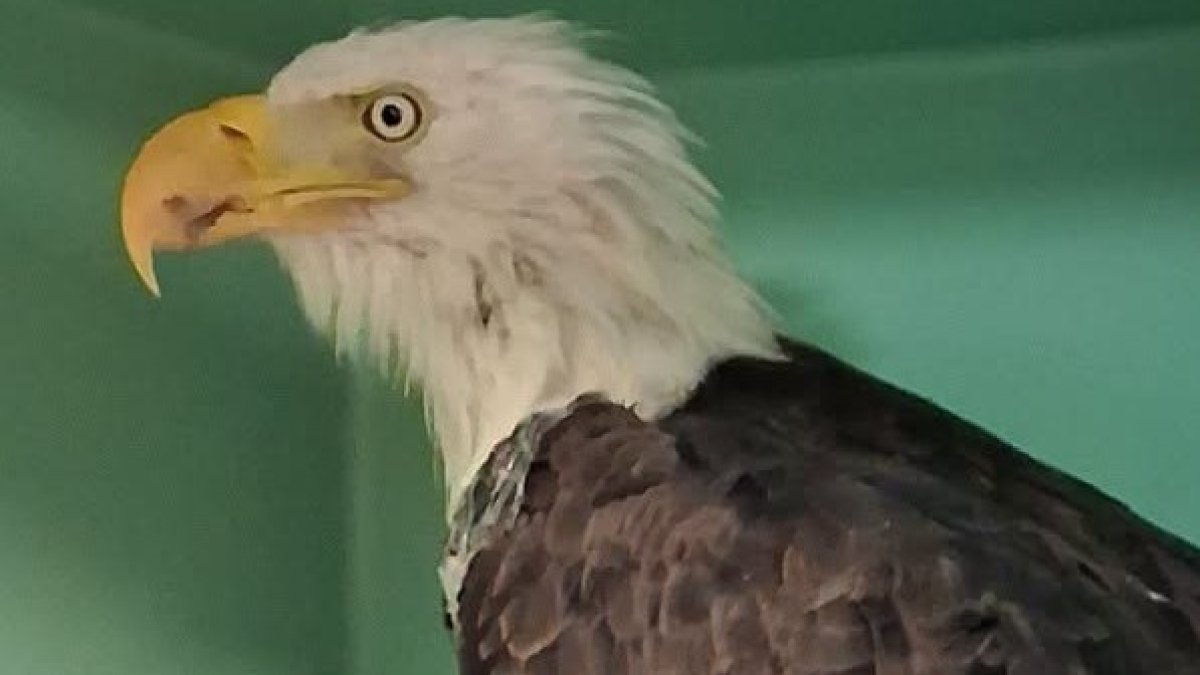
How the beloved Big Bear bald eagle's legacy can help Native American tribes NBC Los Angeles

Netizen tidak senang dengan komentar-komentar yang diberikan

BTS mungkin kembali mengikuti Grammy setelah rekanan mereka, Recording Academy, mengumumkan revisi...
BTS mungkin tidak akan mengubah keputusan untuk mengabaikan Grammy karena deadline pengiriman musik...
Update terbaru tentang keputusan BTS untuk tidak mengirimkan musik mereka untuk dijadikan nominee...
Pihak Recording Academy mengumumkan akan kembali meninju keputusan untuk memperkenalkan kategori...

Sangyeop Sangyeop mengumumkan rencananya untuk menikah dengan seorang non-celebrity, mengejutkan...