



Nancy Mace: A Politician Takes the Fight to the People
FITSNews reports on Nancy Mace's transition from outgoing congresswoman to online talk show host,...
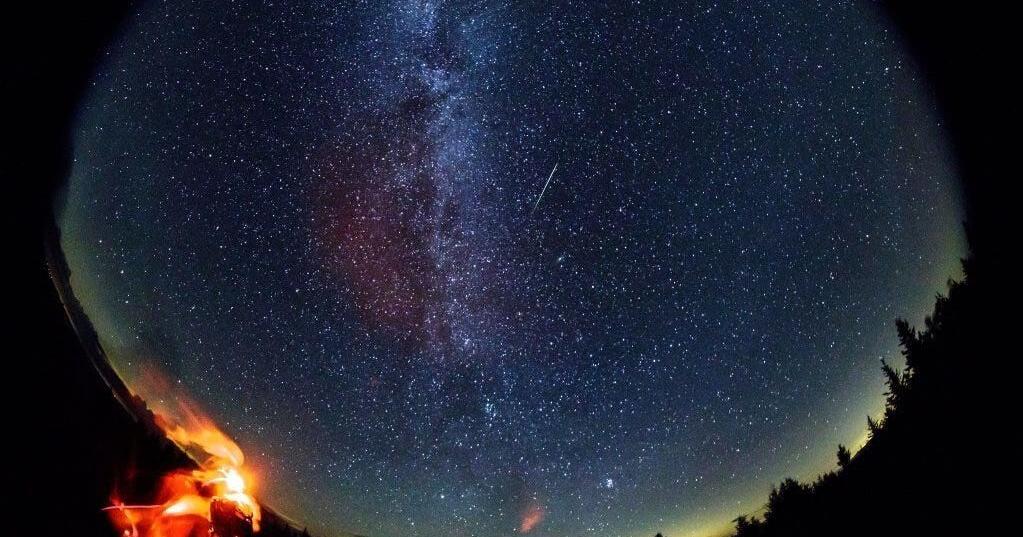
The Perseid meteor shower, one of the most popular and spectacular astronomical events, is set to dazzle the South Carolina sky with its peak display of fireballs and shooting stars. According to NASA, the shower is expected to be the most impressive meteor show of 2026, with Earth passing through the Perseid meteor shower from July 17 to August 12. The American Meteor Society describes fireballs as explosions of light and color that are brighter and last longer than the average meteor, making them a thrilling sight to behold. Fireballs plunge to 20-30 miles above Earth, giving gazers time to see their path clearly, whereas normal meteors burn up at 50 to 75 miles high, leaving only a brief glimpse. The Perseid meteor shower is a result of Earth's orbit passing through the trail of debris left behind by the Swift-Tuttle comet, which was discovered in 1862.
The Perseid meteor shower is not only a treat for astronomy enthusiasts but also an opportunity for scientists to study the composition and origin of meteorites. When a fireball hits Earth, it becomes a meteorite, and reporting its sighting can help the American Meteor Society calculate where it landed. Liz Klimek, the planetarium manager at the South Carolina State Museum, once witnessed a meteor shower that any astronomy buff would love to experience. It happened one winter while she was still a University of Nebraska-Lincoln student working on her master's degree in astronomy and physics. Klimek drove through a frosty landscape into a rural area far from city lights and was rewarded with an amazing show of shooting stars and fireballs so close that she could hear them sizzle. The experience not only deepened her fascination with astronomy but also underscored the importance of citizen-scientists in contributing to our understanding of the cosmos.
To maximize the chances of seeing the Perseid meteor shower, NASA suggests that the best time to observe is in the hours before dawn, although meteors can appear as early as 10 p.m. In the Lowcountry, it is recommended to wait until midnight when the constellation Perseus and Cassiopeia clear the humid coastal haze, with 3 a.m. forecasted as the ideal viewing time. The best advice is to look straight up at the sky, bringing a reclining lawn chair to avoid the buggy ground and to avoid using a telescope, which limits the view. Alternatively, an astronomy app can help locate Perseus, the constellation that gives the shower its name, and to see shooting stars streak across the sky, one should look above and to the right of Perseus, not directly at it. The shower's peak is expected to occur on the night of August 12, with the moon being in its new phase, providing a dark sky that will allow for optimal viewing conditions.
The Perseid meteor shower is an annual event that has been occurring for thousands of years, with the first recorded observation dating back to 36 AD. The shower is named after the constellation Perseus, from which the meteors appear to originate. The Swift-Tuttle comet, which is responsible for the Perseid meteor shower, is one of the largest known comets, with an estimated diameter of 16 miles. The comet takes approximately 133 years to complete one orbit around the Sun, and its debris trail is the source of the meteor shower. The Perseid meteor shower is not only a spectacular display of celestial fireworks but also an important area of research for scientists, who study the composition and origin of meteorites to gain insights into the formation and evolution of our solar system.
In addition to the Perseid meteor shower, there are other meteor showers that occur throughout the year, offering opportunities for stargazers to witness these spectacular events. The Southern Delta Aquarlids and Alpha Capricornids meteor showers, which occur in late July and early August, are expected to enhance the chances of seeing shooting stars when they coincide with the Perseid meteor shower. The combination of these meteor showers will provide a unique opportunity for astronomy enthusiasts to observe multiple meteor showers simultaneously, creating a truly unforgettable experience. The key to observing meteor showers is to find a dark location with minimal light pollution, allowing for the best possible view of the celestial spectacle.
The study of meteor showers and meteorites has significant implications for our understanding of the solar system and the potential risks associated with asteroid and comet impacts. The Chelyabinsk meteor, which exploded over Russia in 2013, is a recent example of the potential hazards posed by near-Earth objects. The meteor, which was estimated to be about 20 meters in diameter, exploded over the city of Chelyabinsk, injuring over 1,000 people and causing significant damage to buildings and infrastructure. The event highlighted the need for increased monitoring and tracking of near-Earth objects, as well as the development of strategies for mitigating the risks associated with asteroid and comet impacts. The Perseid meteor shower serves as a reminder of the awe-inspiring beauty and power of the universe, while also underscoring the importance of continued research and exploration into the mysteries of the cosmos.
The Perseid meteor shower is an event that has captivated the imagination of people around the world, inspiring a sense of wonder and awe at the beauty and complexity of the universe. As we gaze up at the night sky, watching the shooting stars and fireballs streak across the horizon, we are reminded of our place within the vast expanse of the cosmos. The Perseid meteor shower is more than just a spectacular display of celestial fireworks; it is an opportunity for us to connect with the universe, to explore its secrets, and to gain a deeper understanding of our place within it. As we look to the future, it is clear that the study of meteor showers and meteorites will continue to play an important role in advancing our knowledge of the solar system and the universe, inspiring new generations of scientists, astronomers, and explorers to continue pushing the boundaries of human understanding and discovery.
The Perseid meteor shower, known for its vibrant fireballs and numerous shooting stars, is expected to peak in the South Carolina sky, offering a breathtaking spectacle for stargazers.
FITSNews reports on Nancy Mace's transition from outgoing congresswoman to online talk show host,...

A latest discovery at Lawrence Livermore National Laboratory sheds light on diamond's melting point...

Pokémon GO Down for Tens of Thousands: Exploring the Impact of a Global Outage on the Beloved...
A growing number of California lung disease cases have been linked to stone countertops....

The recent pretrial hearing of Alex Murdaugh has garnered significant attention, particularly due...
Alex Murdaugh is in court for a hearing that may potentially lead to a retrial, sparking widespread...

Netizen tidak senang dengan komentar-komentar yang diberikan

BTS mungkin kembali mengikuti Grammy setelah rekanan mereka, Recording Academy, mengumumkan revisi...
BTS mungkin tidak akan mengubah keputusan untuk mengabaikan Grammy karena deadline pengiriman musik...
Update terbaru tentang keputusan BTS untuk tidak mengirimkan musik mereka untuk dijadikan nominee...
Pihak Recording Academy mengumumkan akan kembali meninju keputusan untuk memperkenalkan kategori...

Sangyeop Sangyeop mengumumkan rencananya untuk menikah dengan seorang non-celebrity, mengejutkan...