


Elon Musk's $500 Billion Space Empire: Unpacking the Mystery Surrounding SpaceX's Hidden Holdings
Get an exclusive look at Elon Musk's vast SpaceX empire, a multibillion-dollar behemoth quietly...

The Perseid meteor shower is a recurring event that takes place every year in mid-August, typically peaking around August 12 or 13. It is caused by the Earth passing through the trail of the Swift-Tuttle comet, which was discovered in 1862. The comet's orbit brings it close to the Sun, causing it to shed particles of ice and rock that then enter Earth's atmosphere, resulting in the breathtaking display of meteors. When these particles collide with our atmosphere, they burn up, producing the bright streaks of light we see in the sky. The Perseid meteor shower is one of the most active and reliable meteor showers of the year, making it a highlight for astronomers and sky gazers alike.
To witness this phenomenon, it is essential to know the best viewing time and direction. The Perseid meteor shower is typically visible after sunset, with the peak viewing hours usually occurring between midnight and dawn. This is because the Earth's rotation during these hours causes the meteors to appear more frequent and brighter in the sky. As for the direction, the Perseid meteor shower appears to originate from the constellation Perseus, which is located in the northern part of the sky. However, it is not necessary to look directly at the constellation to see the meteors, as they can appear anywhere in the sky. The best viewing spots are usually those with minimal light pollution and a clear horizon.
Understanding the science behind the Perseid meteor shower requires a look into the orbit of the Swift-Tuttle comet and its interaction with Earth's atmosphere. The comet's orbit is about 133 years, meaning it takes this long to complete one cycle around the Sun. As it approaches the Sun, the comet sheds particles, which then spread out along its orbit. When Earth passes through this trail of particles, they enter our atmosphere at high speeds, causing them to burn up and produce the meteors we see. The Perseid meteor shower is not just a beautiful spectacle but also an important area of study for astronomers, providing insights into the composition of comets and the dynamics of the solar system.
The implications of the Perseid meteor shower go beyond the realm of astronomy; it has cultural and historical significance as well. Many ancient cultures have myths and legends associated with meteor showers, often seeing them as omens or signs from the gods. In modern times, the Perseid meteor shower has become a popular event, with many people gathering at designated viewing spots to witness the spectacle. It also serves as an educational opportunity, encouraging people to learn more about astronomy and the wonders of the universe. Furthermore, the study of meteor showers like the Perseid can provide valuable data on the potential risks of meteor impacts, helping scientists to better understand and prepare for such events.
Looking to the future, the Perseid meteor shower will continue to be a significant event in the astronomical calendar. As technology advances, our ability to predict and study meteor showers will improve, potentially leading to a greater understanding of the solar system and its many mysteries. The Perseid meteor shower also highlights the importance of dark sky preservation, as light pollution can significantly reduce the visibility and enjoyment of such events. Efforts to protect dark skies and promote astronomical tourism can have positive impacts on local economies and the environment. Additionally, initiatives to engage the public with astronomy, such as viewing parties and educational programs, can inspire a new generation of scientists and explorers.
In conclusion, the Perseid meteor shower is a fascinating event that offers a unique glimpse into the workings of our solar system. By understanding the science behind this phenomenon and appreciating its cultural and historical significance, we can deepen our connection with the universe and inspire a sense of wonder and curiosity. As we look forward to future occurrences of the Perseid meteor shower, it is essential to continue promoting astronomical education, preserving our dark skies, and fostering a community that values the exploration and appreciation of the cosmos.
The Perseid meteor shower is one of the most anticipated astronomical events of the year, offering a spectacular display of shooting stars. This annual phenomenon has captivated the imagination of people worldwide, sparking curiosity about its timing, best viewing spots, and the science behind this celestial spectacle.


Get an exclusive look at Elon Musk's vast SpaceX empire, a multibillion-dollar behemoth quietly...
Get ready to witness history in the making as SpaceX prepares to launch a Falcon 9 rocket into...
Eclipse Aftermath: A Surge in Maculopathy Cases at the Ophthalmological Hospital A Report by Il...

Perseid Terekam dari Timau: Asal-usul Fenomena Langit yang Mengagumkan
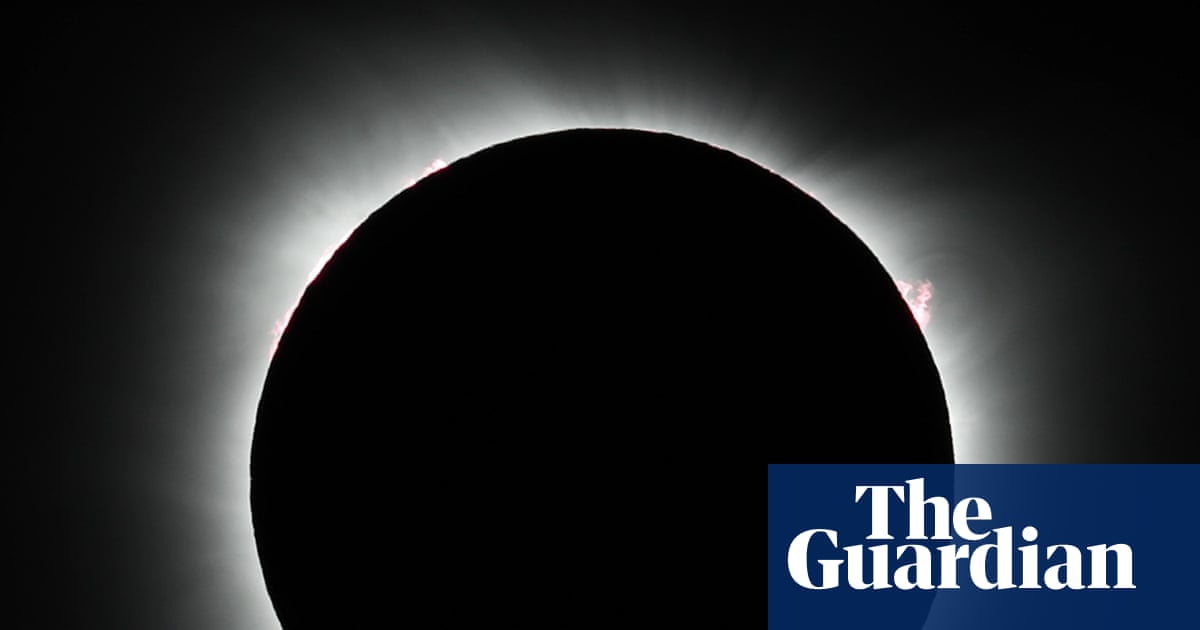
A total solar eclipse is a rare and awe-inspiring spectacle that occurs when the moon passes...

The eclipse corridor is a two-week period of intense cosmic activity that can bring about...

Netizen tidak senang dengan komentar-komentar yang diberikan

BTS mungkin kembali mengikuti Grammy setelah rekanan mereka, Recording Academy, mengumumkan revisi...
BTS mungkin tidak akan mengubah keputusan untuk mengabaikan Grammy karena deadline pengiriman musik...
Update terbaru tentang keputusan BTS untuk tidak mengirimkan musik mereka untuk dijadikan nominee...
Pihak Recording Academy mengumumkan akan kembali meninju keputusan untuk memperkenalkan kategori...

Sangyeop Sangyeop mengumumkan rencananya untuk menikah dengan seorang non-celebrity, mengejutkan...