



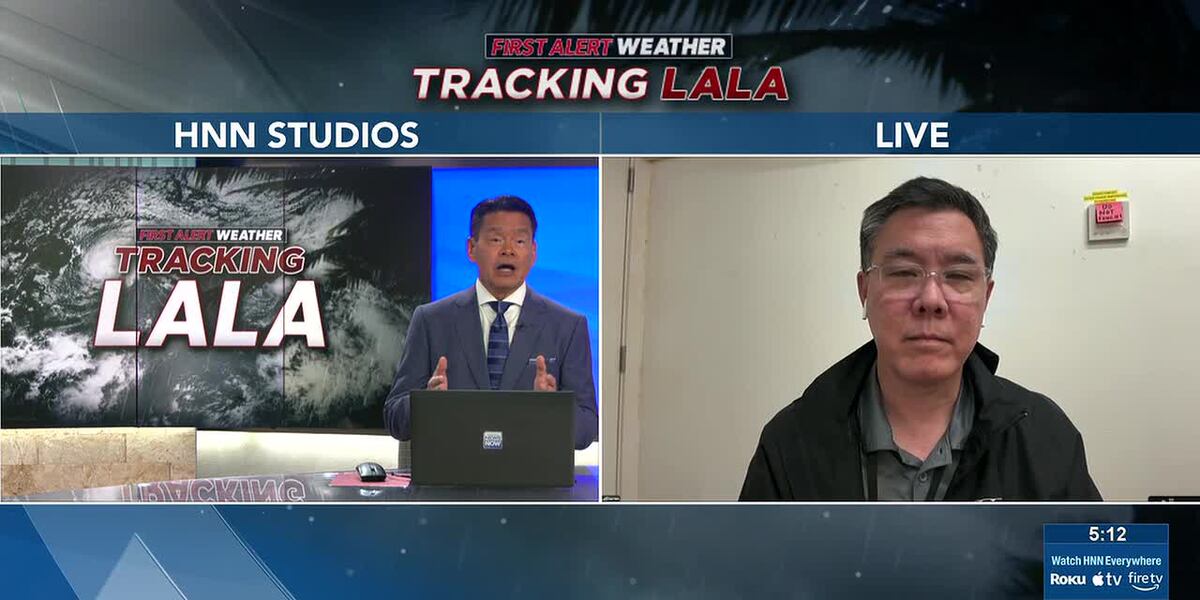
Hawaiian Electric Power Outage Update: 193,000 Affected
Darren Pai from Hawaiian Electric shares a critical 5 p.m. update on the ongoing power outage...

The earthquake, which struck with immense force, has raised significant concerns among the population and emergency services alike, prompting an immediate response to assess and mitigate the damage. According to reports, the earthquake was felt across various regions of Colombia, with its epicenter located in a strategic area that has led to substantial disruptions in daily life and economic activities. As the news of the earthquake spread, many began to speculate about the potential causes and implications of such a powerful seismic event. The government and local authorities quickly sprang into action, deploying teams to evaluate the situation and provide necessary assistance to those affected. Furthermore, international organizations and neighboring countries have also offered support and solidarity to Colombia in this challenging time.
Colombia, situated in the northwest of South America, is a country prone to seismic activities due to its geographical location near the boundary between several tectonic plates. This unique position makes it susceptible to earthquakes, which can have devastating effects on the country's infrastructure, environment, and human population. The earthquake of 7.4 magnitude is considered significant and has the potential to cause considerable destruction and loss of life. Experts have been analyzing the seismic data to understand the characteristics of the earthquake and predict the likelihood of aftershocks. Meanwhile, rescue teams and emergency services are working tirelessly to locate and assist anyone trapped under debris or in need of medical attention. The full extent of the damage is still being assessed, but initial reports indicate that several buildings have collapsed, and numerous roads are blocked due to landslides and rubble.
As the situation continues to unfold, the Colombian government has issued statements assuring the public that all necessary measures are being taken to ensure safety and restore normalcy as soon as possible. The President of Colombia has also addressed the nation, expressing condolences to the families of the victims and reassuring everyone of the government's commitment to supporting those affected. International aid and support have started pouring in, with many countries and organizations offering financial, logistical, and humanitarian assistance. The global community has come together to stand in solidarity with Colombia during this difficult time, emphasizing the importance of international cooperation in the face of natural disasters. In addition, non-governmental organizations and local communities have also mobilized to provide support, highlighting the resilience and solidarity of the Colombian people in the aftermath of the earthquake.
The timing of the earthquake has also raised questions about the preparedness and response mechanisms in place for such disasters. While Colombia has made significant strides in recent years in disaster management and response, there is always room for improvement. Experts suggest that regular drills, public awareness campaigns, and investment in early warning systems can significantly reduce the impact of earthquakes. Furthermore, there is a need for continued international cooperation and knowledge sharing to enhance the capacity of countries like Colombia to deal with seismic events. As the world becomes increasingly interconnected, it is crucial to learn from each other's experiences and implement best practices in disaster management to save lives and minimize damage. The international community has a critical role to play in supporting Colombia's recovery efforts and in promoting global resilience against natural disasters.
Analysis of the earthquake and its implications suggests that the road to recovery will be long and challenging. The economic impact of the disaster is expected to be significant, with potential effects on Colombia's infrastructure, industry, and trade. However, with the support of the international community and the resilience of its people, Colombia is poised to navigate this difficult period. The earthquake serves as a stark reminder of the importance of disaster preparedness and the need for continued investment in seismic monitoring and early warning systems. Moreover, it underscores the value of international solidarity and cooperation in responding to natural disasters, which are increasingly becoming a global challenge. The experience of Colombia will provide valuable lessons for other countries prone to seismic activities, highlighting the need for proactive measures and collective action in the face of such threats.
Looking to the future, the focus will be on rebuilding and recovery efforts, with a emphasis on sustainable and resilient construction practices. The Colombian government has announced plans to implement stricter building codes and to invest in disaster risk reduction initiatives. This approach is expected to mitigate the impact of future earthquakes and ensure that the country is better equipped to handle such disasters. The international community is expected to continue its support, providing technical assistance and financial aid to support Colombia's recovery and reconstruction efforts. As Colombia moves forward, it is clear that the path to recovery will be marked by challenges, but with determination, solidarity, and the right strategies, the country can emerge stronger and more resilient than before. The earthquake has brought the global community together, underscoring the importance of unity and cooperation in the face of adversity, and it is this spirit of solidarity that will pave the way for Colombia's future growth and development.
In conclusion, the powerful 7.4 earthquake that struck Colombia has had a profound impact on the country and its people. The situation is complex, and the challenges ahead are significant, but with the support of the international community and the resilience of the Colombian people, there is hope for a brighter future. The experience of Colombia serves as a reminder of the importance of disaster preparedness, international cooperation, and sustainable development. As the world continues to grapple with the challenges posed by natural disasters, the story of Colombia's earthquake and its aftermath will provide valuable lessons and insights, highlighting the need for collective action and solidarity in the face of adversity. By working together and sharing knowledge, experiences, and resources, the global community can reduce the risk and impact of disasters, promoting a safer, more resilient world for all.
A potent earthquake with a magnitude of 7.4 has been reported in Colombia, causing widespread concern and damage in its wake, as reported by KWCH
Darren Pai from Hawaiian Electric shares a critical 5 p.m. update on the ongoing power outage...

Stay informed about Tropical Storm Lala's impact on Hawaii, with updates on warnings, advisories,...
A comprehensive overview of the Sorrento Fire, including its impact, key facts, and future...
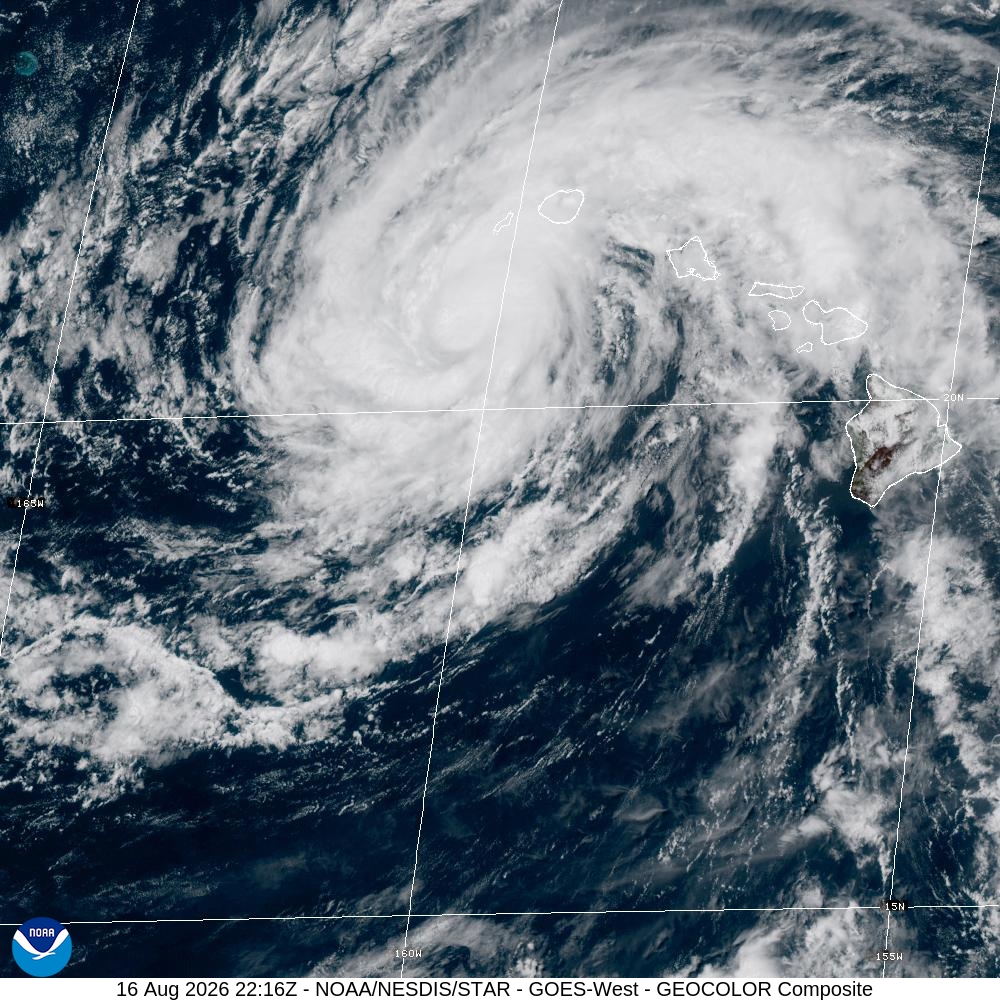
Tropical Storm Lala brought unprecedented rainfall and snowfall to Hawaii, raising questions about...
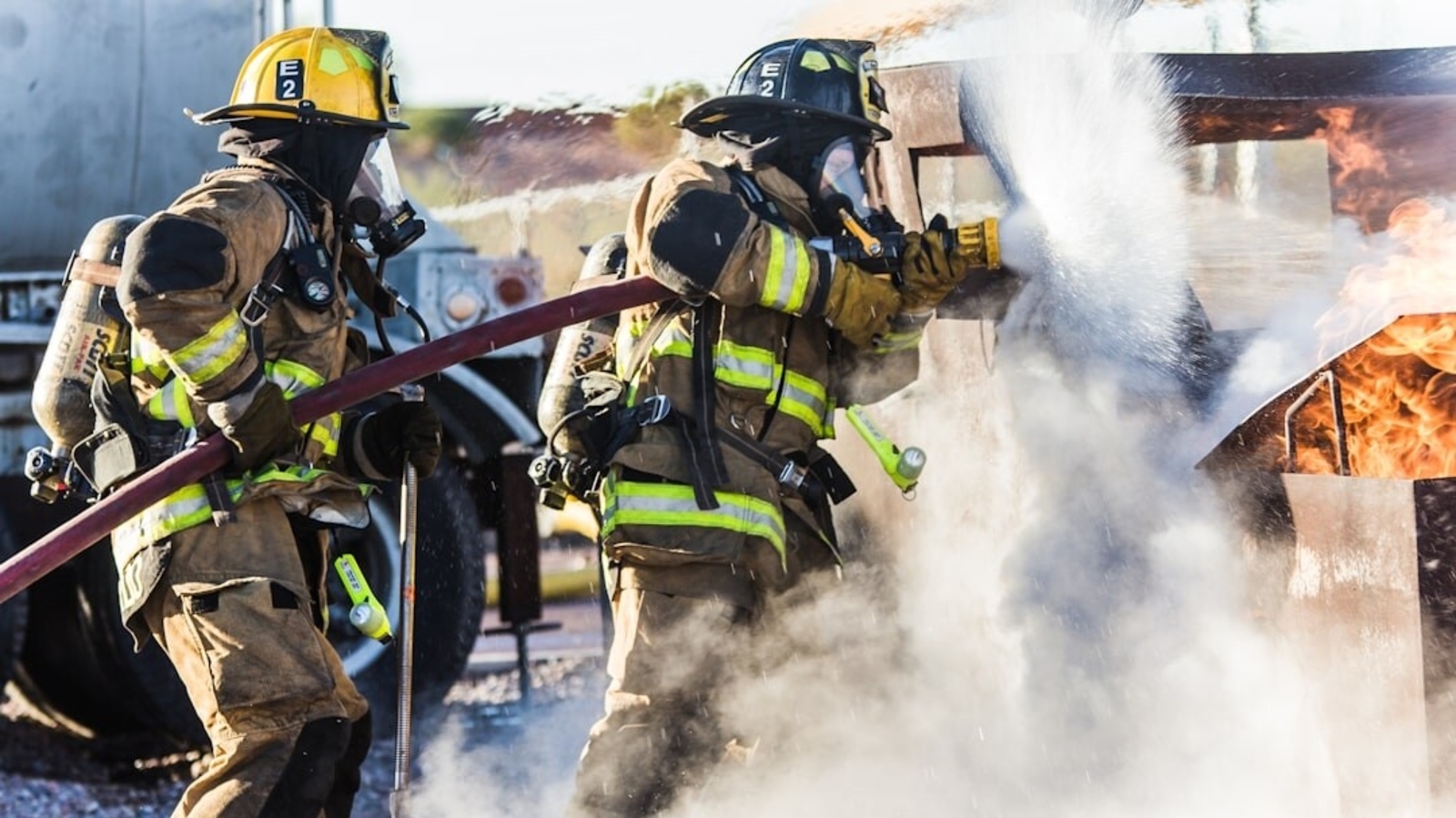
Downtown Dallas fire update and analysis, as a large plume of dark smoke was seen rising over the...

A devastating brush fire has been raging in San Diego, necessitating the expertise of local fire...

Netizen tidak senang dengan komentar-komentar yang diberikan

BTS mungkin kembali mengikuti Grammy setelah rekanan mereka, Recording Academy, mengumumkan revisi...
BTS mungkin tidak akan mengubah keputusan untuk mengabaikan Grammy karena deadline pengiriman musik...
Update terbaru tentang keputusan BTS untuk tidak mengirimkan musik mereka untuk dijadikan nominee...
Pihak Recording Academy mengumumkan akan kembali meninju keputusan untuk memperkenalkan kategori...

Sangyeop Sangyeop mengumumkan rencananya untuk menikah dengan seorang non-celebrity, mengejutkan...