





Pemerintah Kabupaten Aceh Tamiang: Bumi Muda Sedia Pulih dan Bangkit
Pemerintah Kabupaten Aceh Tamiang: Bumi Muda Sedia Pulih dan Bangkit — Informasi Terbaru

The primary elections in Wisconsin and Minnesota have been widely regarded as a crucial test for the Democratic Party's direction, with many analysts viewing the outcomes as a bellwether for the party's chances in the upcoming general elections. The elections, which took place in August 2026, saw a significant turnout of voters, with many Democratic candidates vying for positions in the state and federal governments. According to reports, the turnout was particularly high among young voters and minority communities, who are increasingly becoming a crucial demographic for the Democratic Party. The high turnout was seen as a positive sign for the party, which has been struggling to mobilize its base in recent years. Furthermore, the elections also saw a significant increase in voter registration, with many new voters registering to vote in the weeks leading up to the election.
The elections in Wisconsin and Minnesota were significant not only because of the high turnout but also because of the key issues that were at stake. The Democratic Party has been grappling with internal divisions over issues such as healthcare, climate change, and economic inequality, and the elections provided a critical test of the party's ability to unite behind a common platform. According to many analysts, the party's ability to address these issues and present a unified front will be crucial in determining its chances of success in the upcoming general elections. The elections also saw a significant focus on local issues, such as education and infrastructure, which are critical to the daily lives of many voters. Additionally, the elections highlighted the importance of grassroots organizing and community engagement, with many candidates emphasizing the need for greater investment in these areas.
One of the key factors that contributed to the high turnout in the elections was the engagement of young voters, who are increasingly becoming a crucial demographic for the Democratic Party. Many young voters were motivated by issues such as climate change, student loan debt, and social justice, which are critical to their future and the future of the country. According to reports, many young voters were also motivated by the desire to create change and make a difference in their communities, which is a key aspect of the Democratic Party's platform. The party has been working to engage young voters through social media and other digital platforms, and the high turnout in the elections suggests that these efforts may be bearing fruit. Furthermore, the elections also saw a significant increase in voter participation among minority communities, who are critical to the Democratic Party's chances of success in the upcoming general elections.
The implications of the primary elections in Wisconsin and Minnesota are far-reaching and will likely have a significant impact on the Democratic Party's future direction. According to many analysts, the elections provide a critical insight into the party's strengths and weaknesses, and highlight the need for the party to unite behind a common platform and address key issues such as healthcare, climate change, and economic inequality. The elections also highlight the importance of engaging young voters and minority communities, who are critical to the party's chances of success in the upcoming general elections. Additionally, the elections underscore the need for greater investment in grassroots organizing and community engagement, which are critical to building a strong and sustainable party infrastructure. The party must also work to address the concerns of rural voters, who feel disconnected from the party's platform and values.
Looking ahead to the future, the Democratic Party faces a number of significant challenges, including the need to unite behind a common platform and address key issues such as healthcare, climate change, and economic inequality. The party must also work to engage young voters and minority communities, who are critical to its chances of success in the upcoming general elections. According to many analysts, the party's ability to address these challenges and present a unified front will be crucial in determining its chances of success in the upcoming general elections. The party must also work to build a strong and sustainable party infrastructure, which includes investing in grassroots organizing and community engagement. Furthermore, the party must work to address the concerns of all voters, regardless of their background or demographic, and present a platform that is inclusive and equitable for all. The party's platform must also be guided by a commitment to social justice, equality, and human rights.
In terms of the future outlook, the Democratic Party's chances of success in the upcoming general elections will depend on its ability to unite behind a common platform and address key issues such as healthcare, climate change, and economic inequality. The party must also work to engage young voters and minority communities, who are critical to its chances of success. According to many analysts, the party's ability to present a unified front and address these challenges will be crucial in determining its chances of success in the upcoming general elections. The party must also work to build a strong and sustainable party infrastructure, which includes investing in grassroots organizing and community engagement. The party's future success will also depend on its ability to adapt to changing circumstances and respond to emerging challenges, such as the COVID-19 pandemic and its aftermath. The party must be guided by a commitment to evidence-based policy and a willingness to work across party lines to achieve common goals.
Finally, the primary elections in Wisconsin and Minnesota highlight the importance of civic engagement and participation in the democratic process. The high turnout in the elections suggests that many voters are motivated to make a difference and create change in their communities, which is a key aspect of the Democratic Party's platform. The party must work to build on this momentum and encourage even more voters to participate in the upcoming general elections. According to many analysts, the party's ability to engage voters and present a unified front will be crucial in determining its chances of success in the upcoming general elections. The party must also work to address the concerns of all voters and present a platform that is inclusive and equitable for all. The party's commitment to civic engagement and participation must be guided by a commitment to social justice, equality, and human rights, and must prioritize the needs and concerns of all members of society.
The recent primary elections in Wisconsin and Minnesota have provided a critical insight into the current state of the Democratic Party, highlighting key challenges and opportunities for the party's future direction.
Pemerintah Kabupaten Aceh Tamiang: Bumi Muda Sedia Pulih dan Bangkit — Informasi Terbaru

Acara 600 ribu porsi kulinier gratis di Monas, menghidupkan semangat kebangsaan dan memperkuat rasa...

Hayden Panettiere, bintang televisi Amerika yang terkenal dengan perannya dalam serial 'Heroes' dan...
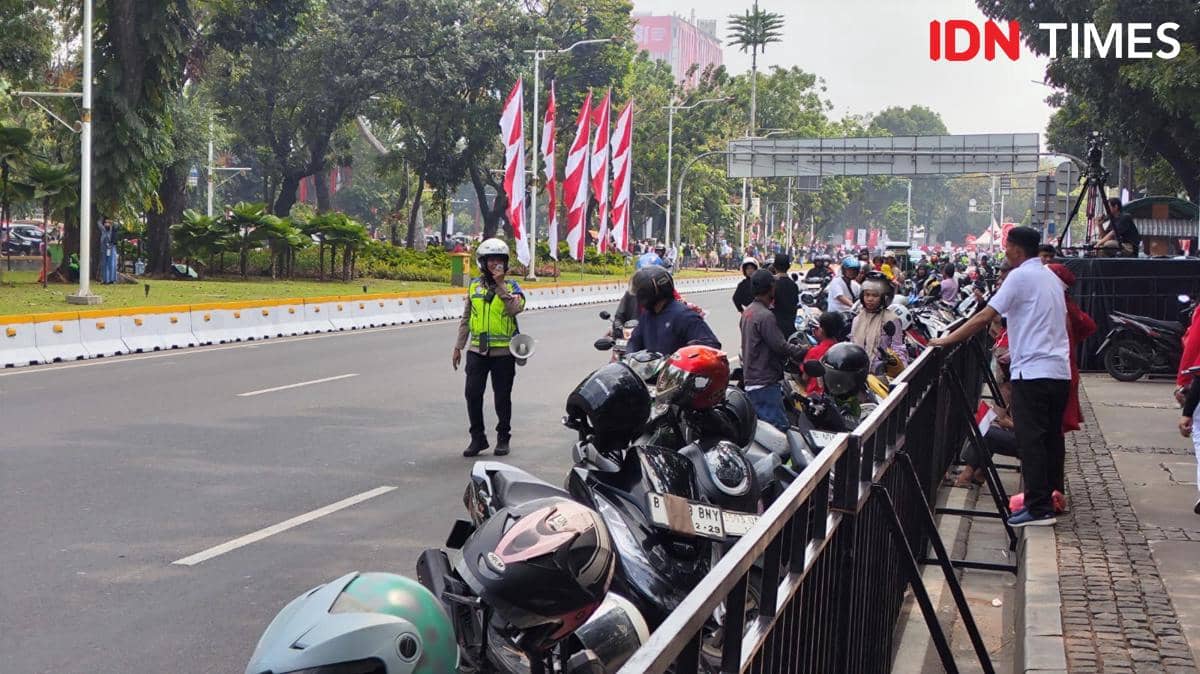
Jalan Merdeka Barat Dekat Istana Merdeka Jadi Parkir Liar Warga yang ke Monumen Nasional IDN Times

Kopassus Mengudara: Aksi Terjun Payung Terunggul di Istana Merdeka - Media Indonesia

Watch the live action of Tijuana vs. Cruz Azul, all the latest news, analysis, and match scores...

Netizen tidak senang dengan komentar-komentar yang diberikan

BTS mungkin kembali mengikuti Grammy setelah rekanan mereka, Recording Academy, mengumumkan revisi...
BTS mungkin tidak akan mengubah keputusan untuk mengabaikan Grammy karena deadline pengiriman musik...
Update terbaru tentang keputusan BTS untuk tidak mengirimkan musik mereka untuk dijadikan nominee...
Pihak Recording Academy mengumumkan akan kembali meninju keputusan untuk memperkenalkan kategori...

Sangyeop Sangyeop mengumumkan rencananya untuk menikah dengan seorang non-celebrity, mengejutkan...