



Elon Musk's $500 Billion Space Empire: Unpacking the Mystery Surrounding SpaceX's Hidden Holdings
Get an exclusive look at Elon Musk's vast SpaceX empire, a multibillion-dollar behemoth quietly...
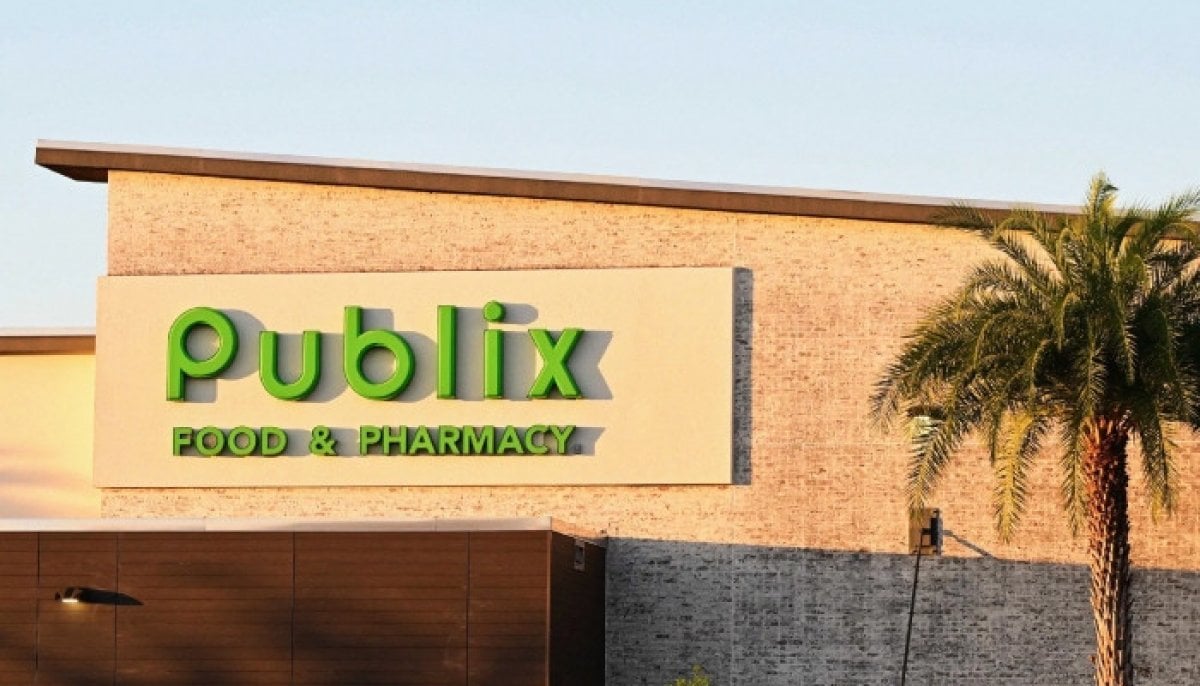
Publix, a renowned grocery chain operating over 1,440 stores across eight states, has been making headlines with its decision to close select supermarkets despite experiencing continued sales growth. The company reported a 2 percent increase in net sales during its first quarter, which is a notable achievement considering the current market conditions. However, net earnings fell by 21.5 percent, primarily due to investment losses rather than weakness in its core business. This decline in earnings has raised questions about the company's overall financial health and its ability to navigate through challenging times. Moreover, the closures have sparked curiosity among industry analysts, who are eager to understand the underlying reasons behind this strategic move.
The closures have been reported in various locations, including St Petersburg and Miami in Florida, as well as Atlanta and Chamblee in Georgia, during the year 2026. Additionally, two more locations in Palm Bay, Florida, and Goose Creek, South Carolina, have been closed as part of redevelopment projects that will be replaced with newly built Publix supermarkets. This move is seen as a part of the company's broader strategy to replace older stores with larger, modern locations that offer improved layouts, expanded services, and stronger online grocery fulfillment capabilities. By doing so, Publix aims to enhance the overall shopping experience for its customers and stay competitive in the market. The company's decision to invest in markets with stronger long-term growth potential is also a testament to its commitment to adapting to changing consumer needs and preferences.
Industry analysts have been closely monitoring the situation, and their assessments suggest that the closures reflect a deliberate effort by Publix to upgrade its store network and improve its operational efficiency. The company has previously stated that it regularly replaces supermarkets and closes those that are not meeting performance expectations, which indicates a data-driven approach to managing its assets. This approach is essential in today's retail landscape, where companies must be agile and responsive to shifting consumer behaviors and market trends. Furthermore, the rise of e-commerce and digital grocery shopping has forced traditional retailers like Publix to reevaluate their business models and invest in technologies that can help them stay relevant. By embracing this change, Publix is positioned to capitalize on new opportunities and drive growth in the long term.
The Southeastern United States, where Publix operates, is a highly competitive market with numerous players vying for market share. To remain competitive, Publix must continually assess its store portfolio and make strategic decisions about where to invest and how to allocate its resources. The company's commitment to modernizing its store network is a significant aspect of this strategy, as it enables Publix to offer a more appealing shopping experience, expand its product offerings, and enhance its services to meet evolving customer needs. This, in turn, can help the company to differentiate itself from its competitors and establish a strong brand identity in the market. Moreover, by investing in its physical stores and digital capabilities, Publix can create a seamless shopping experience that integrates online and offline channels, making it more convenient for customers to interact with the brand.
In terms of the broader implications of these closures, it is essential to consider the potential impact on the communities where the stores are located. The closure of a local supermarket can have significant effects on the local economy, particularly in areas where access to grocery stores is limited. However, Publix has announced plans to replace the closed stores with new, modern locations, which should help to mitigate the negative consequences and create new opportunities for local residents. Additionally, the company's commitment to investing in its employees and providing them with training and development opportunities can help to support the local workforce and contribute to the overall well-being of the communities it serves. By taking a long-term view and prioritizing the needs of its customers and employees, Publix can create a positive and lasting impact on the regions where it operates.
Looking ahead, it is crucial to consider the potential future outlook for Publix and the grocery retail industry as a whole. The rise of online grocery shopping and the increasing popularity of meal kit delivery services are just a few examples of the trends that are transforming the way people shop for food. To remain relevant, Publix must continue to innovate and adapt to these changes, investing in digital technologies and developing new services that meet the evolving needs of its customers. By doing so, the company can stay ahead of the curve and capitalize on emerging opportunities, driving growth and profitability in the years to come. Moreover, Publix's focus on modernizing its store network and enhancing the shopping experience will be critical in attracting and retaining customers, particularly younger generations who are more likely to prioritize convenience, sustainability, and digital engagement when making their purchasing decisions.
In conclusion, the decision by Publix to close select supermarkets despite continued sales growth is a strategic move that reflects the company's commitment to modernizing its store network and improving its operational efficiency. By investing in markets with stronger long-term growth potential and prioritizing the needs of its customers and employees, Publix is well-positioned to navigate the challenges and opportunities of the rapidly evolving grocery retail landscape. As the company continues to adapt and innovate, it is likely to remain a major player in the Southeastern United States, providing high-quality products and services to its customers and creating value for its stakeholders. With its strong brand identity, extensive store network, and dedication to excellence, Publix is poised for long-term success and growth, even in the face of intense competition and changing market conditions.
The future of grocery retail is likely to be shaped by a combination of factors, including technological innovation, shifting consumer behaviors, and evolving market trends. As Publix and other retailers navigate this complex landscape, they must prioritize agility, flexibility, and responsiveness to changing circumstances. By doing so, they can stay ahead of the curve and capitalize on emerging opportunities, driving growth and profitability in the years to come. Moreover, the integration of online and offline channels, the development of new services and products, and the investment in digital technologies will be critical in creating a seamless shopping experience that meets the evolving needs of customers. As the grocery retail industry continues to evolve, it is essential for companies like Publix to remain focused on their core values, adapt to changing market conditions, and prioritize the needs of their customers and employees.
Ultimately, the success of Publix will depend on its ability to balance its short-term priorities with its long-term strategic objectives. By investing in its store network, enhancing the shopping experience, and developing new services and products, the company can drive growth and profitability while creating value for its stakeholders. As the grocery retail landscape continues to evolve, Publix must remain committed to its core values, prioritize the needs of its customers and employees, and adapt to changing market conditions. By doing so, the company can navigate the challenges and opportunities of the future, establishing itself as a leader in the Southeastern United States and beyond. With its strong brand identity, extensive store network, and dedication to excellence, Publix is well-positioned to thrive in a rapidly changing market, providing high-quality products and services to its customers and creating a positive and lasting impact on the communities it serves.
Despite reporting a 2 percent increase in net sales, Publix has been closing select supermarkets across the southeastern United States as part of its strategy to modernize its store network.


Get an exclusive look at Elon Musk's vast SpaceX empire, a multibillion-dollar behemoth quietly...
The ice cream industry has been shaken by the news of Rebel Creamery, a major ice cream brand sold...
Rebel Creamery's Bankruptcy: A Cautionary Tale of the Perils of Trademark Disputes and the...

A major ice cream brand has filed for Chapter 11 bankruptcy protection following a trademark...
A team of construction workers in Belgium made a shocking discovery while digging a new sewage...
In a move that is set to potentially redefine the landscape of the digital payments industry,...

Netizen tidak senang dengan komentar-komentar yang diberikan

BTS mungkin kembali mengikuti Grammy setelah rekanan mereka, Recording Academy, mengumumkan revisi...
BTS mungkin tidak akan mengubah keputusan untuk mengabaikan Grammy karena deadline pengiriman musik...
Update terbaru tentang keputusan BTS untuk tidak mengirimkan musik mereka untuk dijadikan nominee...
Pihak Recording Academy mengumumkan akan kembali meninju keputusan untuk memperkenalkan kategori...

Sangyeop Sangyeop mengumumkan rencananya untuk menikah dengan seorang non-celebrity, mengejutkan...