




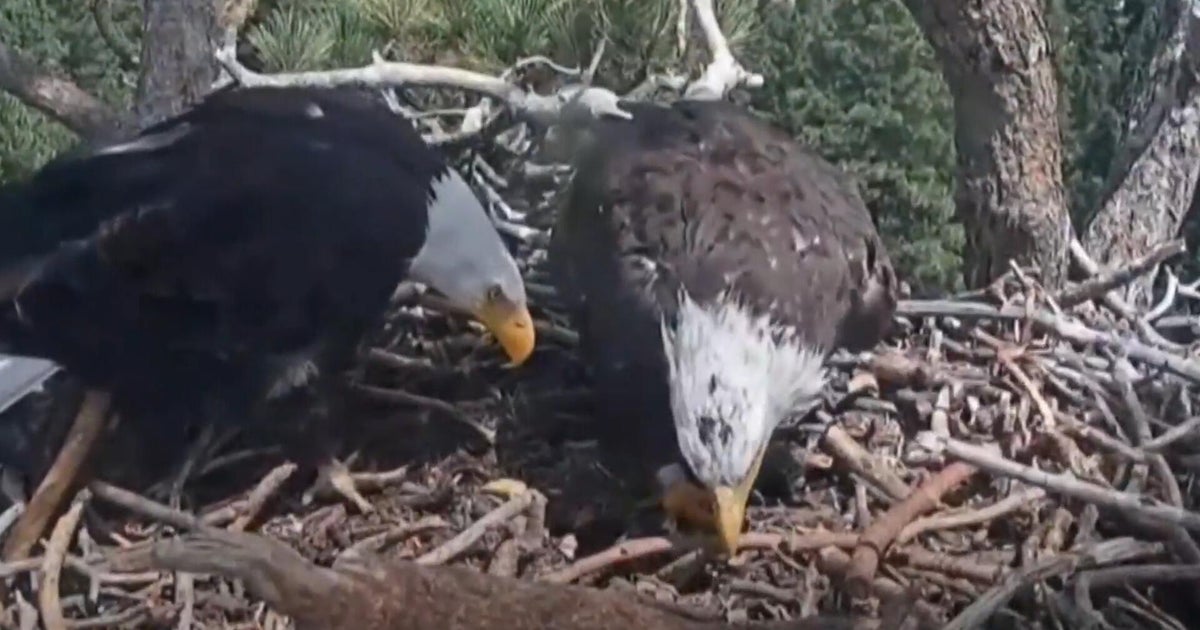
Renewed Optimism for California Birdwatchers Following the Disappearance of a Beloved Eagle
A recently missing eagle in California has sparked both concern and newfound hope among local...

For over a decade, anglers on Lake Memphremagog have been catching brown bullhead catfish with tumors, but the cause has long eluded scientists. The phenomenon has sparked intense interest and concern among researchers, who were determined to uncover the source of the disease. Led by molecular geneticist Julie Dragon, a team of local researchers made a significant breakthrough in understanding the rare cancer, which has been confirmed to be contagious and spreads like a parasite. In an effort to determine the cause of the cancer, the researchers collected tissue samples from afflicted animals caught on Lake Memphremagog and brought them to Dragon's genetics lab at the University of Vermont. They then compared the genes of the tumors with those of the surrounding fish tissue, revealing a surprising pattern that led them to conclude the bullhead have a 'clonal cancer,' where cancer cells spread between host organisms, similar to how a parasite behaves.
According to Dragon, 'We have not seen this cancer in other catfish or other bottom-dwelling fish in Lake Memphremagog, so we don't believe that they can pass it to any other species.' While this finding is reassuring, it does not diminish the significance of the discovery. Researchers believe that the cancer was somehow introduced to the population in Lake Memphremagog in 2012, possibly triggered by pollution from excessive runoff after Tropical Storm Irene, or through a fish that was introduced from another lake or pond where the cancer was already circulating. Dragon adds, 'We think that it is something that they're exposed to maybe at maturation when they spawn and they gather together in these big aggregate groups.'
The cancer manifests as raised black lesions on the fish's skin, along with lumpy tumors. Tom Jones, a fish biologist with the Vermont Department of Fish and Wildlife, recalls hearing alarming early accounts of the disease from anglers who told him their families have caught and eaten these famously delicious fish for generations. 'One fellow that I can recall, he described it as, 'Hey, this black tar-like substance came off in my hands, you know, when I handled the fish,' Jones said. A population survey from 2014-2017 revealed that between one-quarter and one-third of all brown bullhead in Lake Memphremagog have these growths.
Genetic analysis confirmed the tumors were melanomas, which have been documented in fish on other lakes, but never at such high rates. The researchers hypothesized previously that poisoning from lead or other chemicals on the floor of Newport's formerly industrial South Bay could be to blame. However, the pattern of tumor tissue being more related to itself than to its host, found on multiple fish living within one body of water, led Dragon and her colleagues to conclude the bullhead have a clonal cancer, where cancer cells spread between host organisms, similar to how a parasite behaves.
Transmissible cancers have never been formally documented in fish, but the New England naturalist Henry David Thoreau described brown bullhead with similar spots in some ponds in Massachusetts in the 1850s. This rare phenomenon has significant implications for our understanding of cancer in animals and the potential risks to human health. While the researchers do not believe there is an immediate threat to the general public, their findings underscore the need for continued research into the causes and consequences of this disease.
Despite the appearance of the tumors, brown bullhead in Lake Memphremagog appear to be doing all right — the Vermont Fish and Wildlife Department has not documented dramatic population declines in the lake since they started finding fish with melanomas. For now, the Vermont Department of Fish and Wildlife is recommending people do not eat bullhead from Lake Memphremagog with skin lesions. Further research is necessary to determine the full extent of the cancer's impact on the bullhead population and the long-term implications for the lake's ecosystem.
The study, which has been published in the prominent scientific journal Nature, marks a significant breakthrough in the field of environmental science and highlights the importance of continued research into the complex interactions between animals, their environment, and disease. As Dragon notes, 'We think that it is something that they're exposed to maybe at maturation when they spawn and they gather together in these big aggregate groups.' The discovery has sparked a renewed interest in the field of cancer research, particularly in fish and other aquatic animals.
As the researchers continue to study the cancer's transmission mechanism, they will also be exploring ways to mitigate its impact on the bullhead population. Ultimately, their findings will have far-reaching implications for our understanding of cancer in animals and the potential risks to human health. The study serves as a reminder of the importance of continued research into the complex and often unpredictable relationships between animals, their environment, and disease.
Scientists have made a groundbreaking finding in Lake Memphremagog, confirming the presence of a rare 'parasite-like' cancer in bullhead catfish. The study reveals a previously unknown form of transmissible cancer that spreads like a parasite, affecting a significant portion of the brown bullhead population.
A recently missing eagle in California has sparked both concern and newfound hope among local...

The AI perception bubble: Axios examines the gap between AI's potential and reality
Experts warn of a potentially historic El Niño event, sparking concerns about global climate...

A young boy's surprising catch in a Pennsylvania lake has left experts baffled, raising questions...
A recent great white shark sighting prompts a precautionary swimming ban at Wells Beach in Maine....
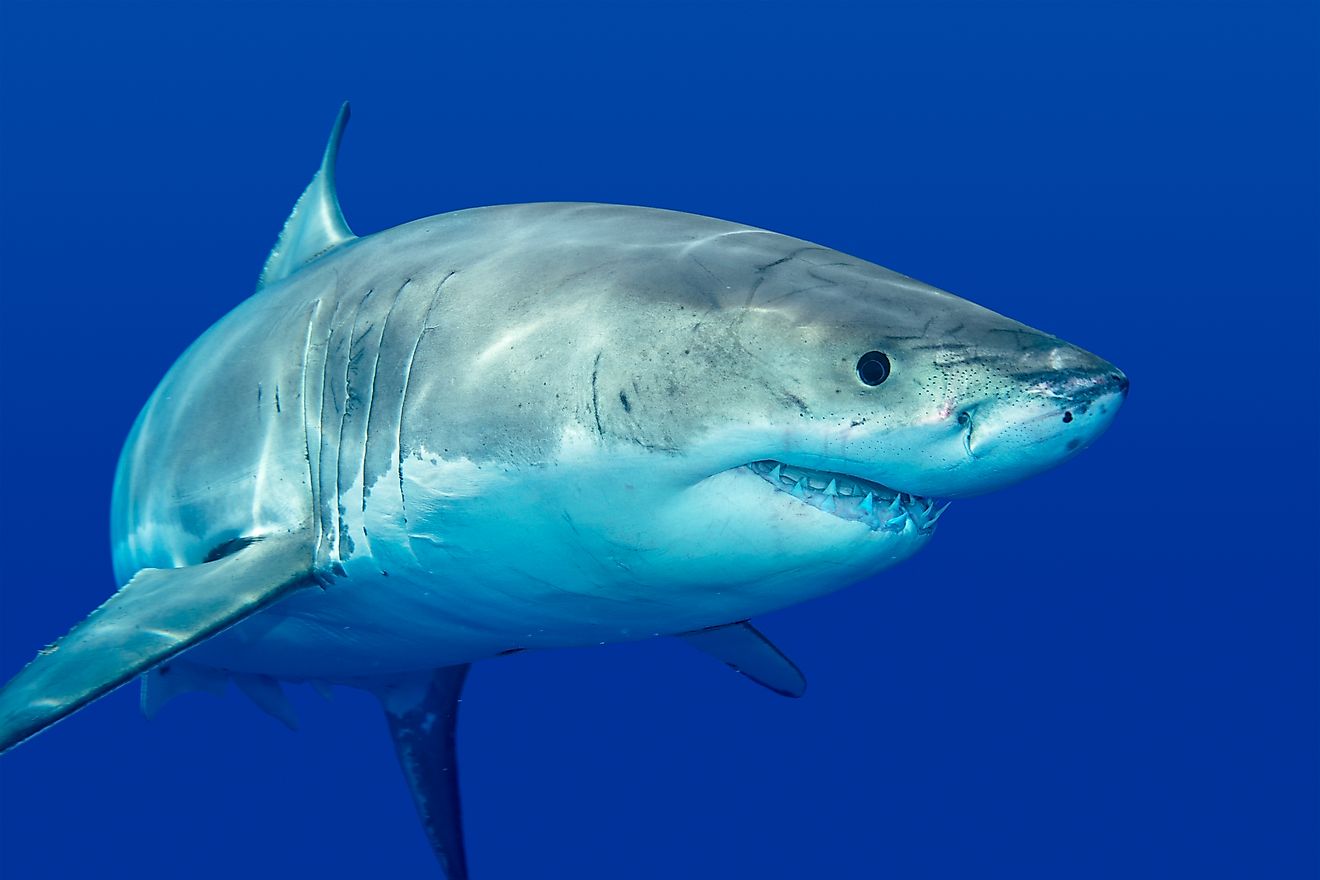
Discover the sharks most commonly found off the United States coast, including their habitats,...

Netizen tidak senang dengan komentar-komentar yang diberikan

BTS mungkin kembali mengikuti Grammy setelah rekanan mereka, Recording Academy, mengumumkan revisi...
BTS mungkin tidak akan mengubah keputusan untuk mengabaikan Grammy karena deadline pengiriman musik...
Update terbaru tentang keputusan BTS untuk tidak mengirimkan musik mereka untuk dijadikan nominee...
Pihak Recording Academy mengumumkan akan kembali meninju keputusan untuk memperkenalkan kategori...

Sangyeop Sangyeop mengumumkan rencananya untuk menikah dengan seorang non-celebrity, mengejutkan...