



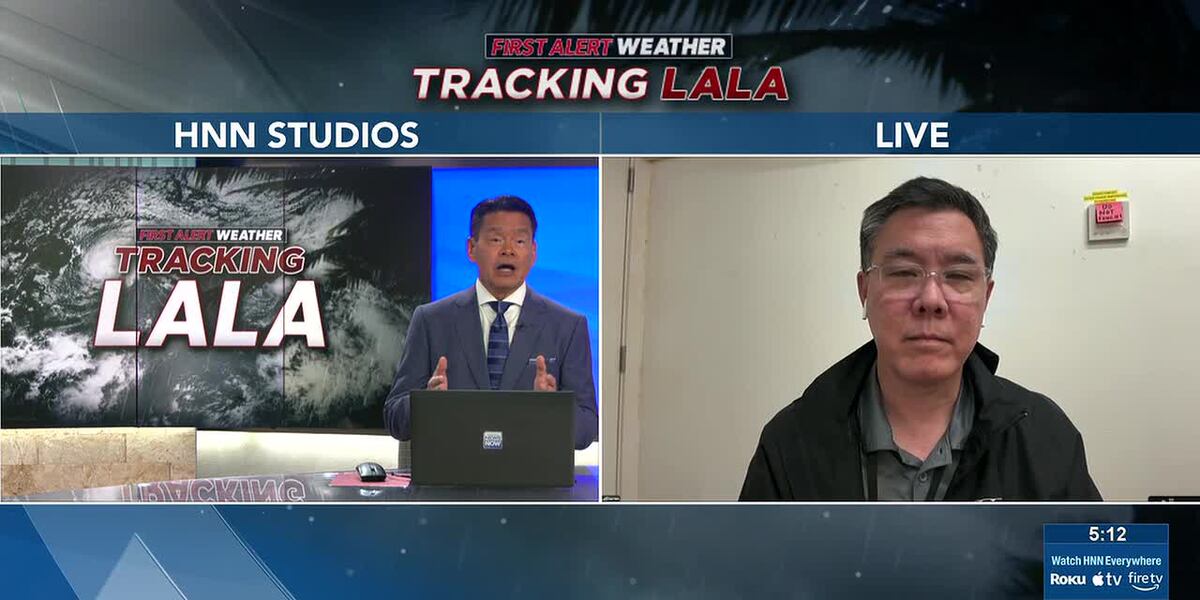
Hawaiian Electric Power Outage Update: 193,000 Affected
Darren Pai from Hawaiian Electric shares a critical 5 p.m. update on the ongoing power outage...

On a typical Wednesday morning, residents of New Mexico's central region were jolted awake by a series of earthquakes that rocked the area south of Albuquerque. The United States Geological Survey (USGS) reported at least seven earthquakes within a relatively short period, with magnitudes ranging from 2.6 to 3.8.
The earthquakes occurred in an area just south of Belen, approximately 35 miles south of Albuquerque, and along the Rio Grande. According to Dr. Urbi Basu, a research scientist with the New Mexico Bureau of Geology & Mineral Resources at New Mexico Tech, 'we are sitting on top of a magma body which is located at a depth of around 20 kilometers.' This magma body, roughly the shape of a pancake, is 'very thin in depth but laterally extends from almost San Antonio to Albuquerque.'
Dr. Basu's explanation highlights the complex geology underlying the region. New Mexico, being part of the North American Plate, has an active geological history. The state's diverse geology, including the presence of a mid-continent rift, makes it prone to earthquakes. However, the recent sequence of earthquakes is noteworthy, given their proximity to Albuquerque and the relatively high magnitudes involved.
The earthquakes were not isolated events. Just three days prior, a few earthquakes rocked the same area. This sequence of events raises concerns about the seismic activity in the region. 'The area has been experiencing increased seismicity in recent years,' Dr. Basu noted. 'Although not unusually high compared to other regions, it is still concerning.'
When asked about the potential causes of the recent earthquakes, Dr. Basu attributed them to the movement of magma beneath the surface. 'The earthquakes are likely the result of magma moving and the ground being stretched or compressed.' He emphasized that it is 'still early days' to determine the exact mechanisms behind the recent earthquakes, but the ongoing seismic activity is being closely monitored by researchers.
The recent earthquakes have led to increased awareness about the seismic risks in the region. 'The USGS and other agencies are working to understand the underlying causes and to provide more robust early warning systems,' Dr. Basu explained. 'We are also working to make the public more aware of the risks associated with earthquakes.'
While the recent earthquakes have caused inconvenience and concern, the region has the potential to develop earthquake-resistant infrastructure. 'New Mexico has a rich geological history, and understanding this can help us to better prepare for future earthquakes,' said Dr. Basu. 'By learning from past events and staying vigilant, we can mitigate the risks associated with earthquakes.'
Going forward, the seismic activity in the region will continue to be closely monitored. Researchers will keep a watchful eye on the area, working to better understand the underlying geology and develop more effective strategies for mitigating the effects of earthquakes. The recent earthquakes serve as a reminder of the importance of being prepared for seismic events and the need for continued research and awareness efforts.
For more information on earthquake preparedness, visit the USGS website or consult with local authorities. By staying informed and taking proactive steps, residents of New Mexico can better prepare for the unexpected and reduce the risks associated with earthquakes.
Recent earthquakes reported in New Mexico south of Albuquerque, shedding light on the underlying seismic activity and its implications for the region.
Darren Pai from Hawaiian Electric shares a critical 5 p.m. update on the ongoing power outage...
Stay informed about Tropical Storm Lala's impact on Hawaii, with updates on warnings, advisories,...
A comprehensive overview of the Sorrento Fire, including its impact, key facts, and future...

A devastating brush fire has been raging in San Diego, necessitating the expertise of local fire...

Rebel Creamery, a popular low-carb ice cream brand sold at major retailers like Walmart and Target,...

Marseille's Owner Injects €50.2 Million into the Football Club: A Strategic Move to Secure the...

Netizen tidak senang dengan komentar-komentar yang diberikan

BTS mungkin kembali mengikuti Grammy setelah rekanan mereka, Recording Academy, mengumumkan revisi...
BTS mungkin tidak akan mengubah keputusan untuk mengabaikan Grammy karena deadline pengiriman musik...
Update terbaru tentang keputusan BTS untuk tidak mengirimkan musik mereka untuk dijadikan nominee...
Pihak Recording Academy mengumumkan akan kembali meninju keputusan untuk memperkenalkan kategori...

Sangyeop Sangyeop mengumumkan rencananya untuk menikah dengan seorang non-celebrity, mengejutkan...