



Bankruptcy Hits Rebel Creamery, a Low-Carb Ice Cream Brand Sold at Walmart and Target
Rebel Creamery, a popular low-carb ice cream brand sold at major retailers like Walmart and Target,...

The shocking news of Salad And Go's closure sent ripples through the culinary landscape, leaving consumers and industry insiders alike wondering what led to the chain's abrupt demise. The story begins in 2013, when Mike Tattersfield, the company's CEO, founded Salad And Go in Gilbert, Arizona. Initially, the concept of a drive-thru made-to-order salad chain seemed innovative and appealing, especially in a market increasingly driven by health-conscious consumers. With its quick service and variety of options, the chain experienced rapid growth, expanding to over 140 locations by May 2025, according to QSR.
However, behind the scenes, Salad And Go was facing significant challenges. Industry experts point to sustained pressure on consumer demand, past strategic growth challenges, and rising costs as key factors contributing to the chain's downfall. In a statement to Arizona media, Tattersfield acknowledged that the company was 'ultimately unable to overcome' these obstacles. The COVID-19 pandemic and subsequent market shifts further complicated the situation, leading to a significant decline in sales.
The chain's decision to file for Chapter 11 bankruptcy in early August 2026 marked the beginning of the end for Salad And Go. Despite efforts to revamp its business strategies and menus, the company was unable to recover. As the last remaining stores closed their doors, Salad And Go's legacy was marred by the perception of a business that failed to adapt to changing consumer preferences and market conditions.
Furthermore, the cyclospora outbreak linked to shredded iceberg lettuce, which affected at least 18,000 people across the U.S. this summer, further weakened consumer confidence in the industry. Salad And Go was not directly implicated in the outbreak, but the incident compounded the chain's existing challenges, ultimately contributing to its downfall. The incident serves as a reminder of the importance of ensuring food safety and handling practices in the fast-food industry.
As Salad And Go's remaining locations in the Las Vegas Valley closed, fans and employees alike expressed sadness and disappointment. The chain opened its first local shop in January 2023, later expanding to several other locations in the area. In a statement to the media, Mike Tattersfield expressed his gratitude to the company's team members, customers, and partners, noting that this decision was 'painless' for everyone involved.
While Salad And Go's demise marks a significant shift in the fast-food landscape, it also presents an opportunity for industry players to learn from the chain's mistakes and adapt to changing consumer behaviors. Companies that prioritize innovation, customer experience, and food safety are likely to thrive in the competitive market. As consumers become increasingly discerning, chains that fail to innovate and adapt risk facing a similar fate to Salad And Go.
Looking to the future, the salad chain market is expected to continue evolving, driven by demand for healthier and more sustainable options. Established players will need to stay vigilant, investing in menu innovation, digital technologies, and employee training to maintain a competitive edge. Despite the challenges Salad And Go faced, its legacy will serve as a reminder of the importance of embracing change and prioritizing consumer needs in the fast-food industry.
Rebel Creamery, a popular low-carb ice cream brand sold at major retailers like Walmart and Target,...
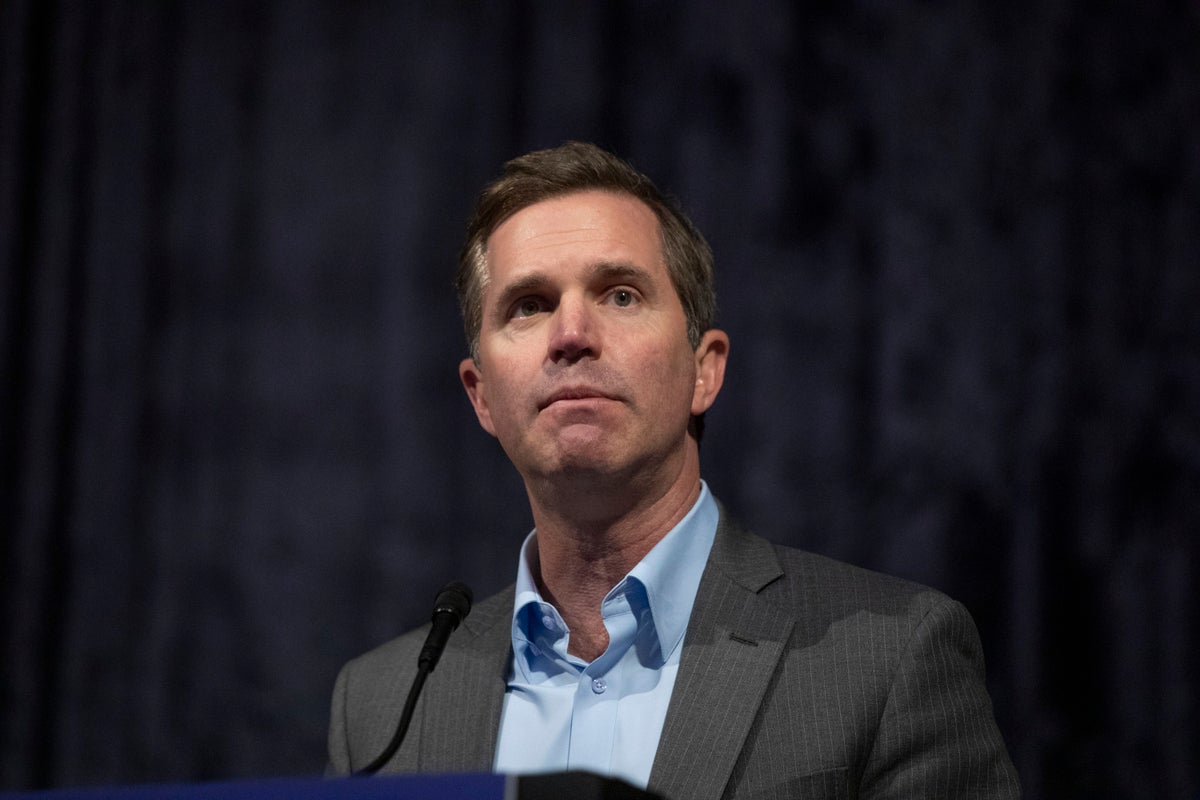
Kentucky Governor Andy Beshear has spoken out about the lack of communication from Senator Mitch...
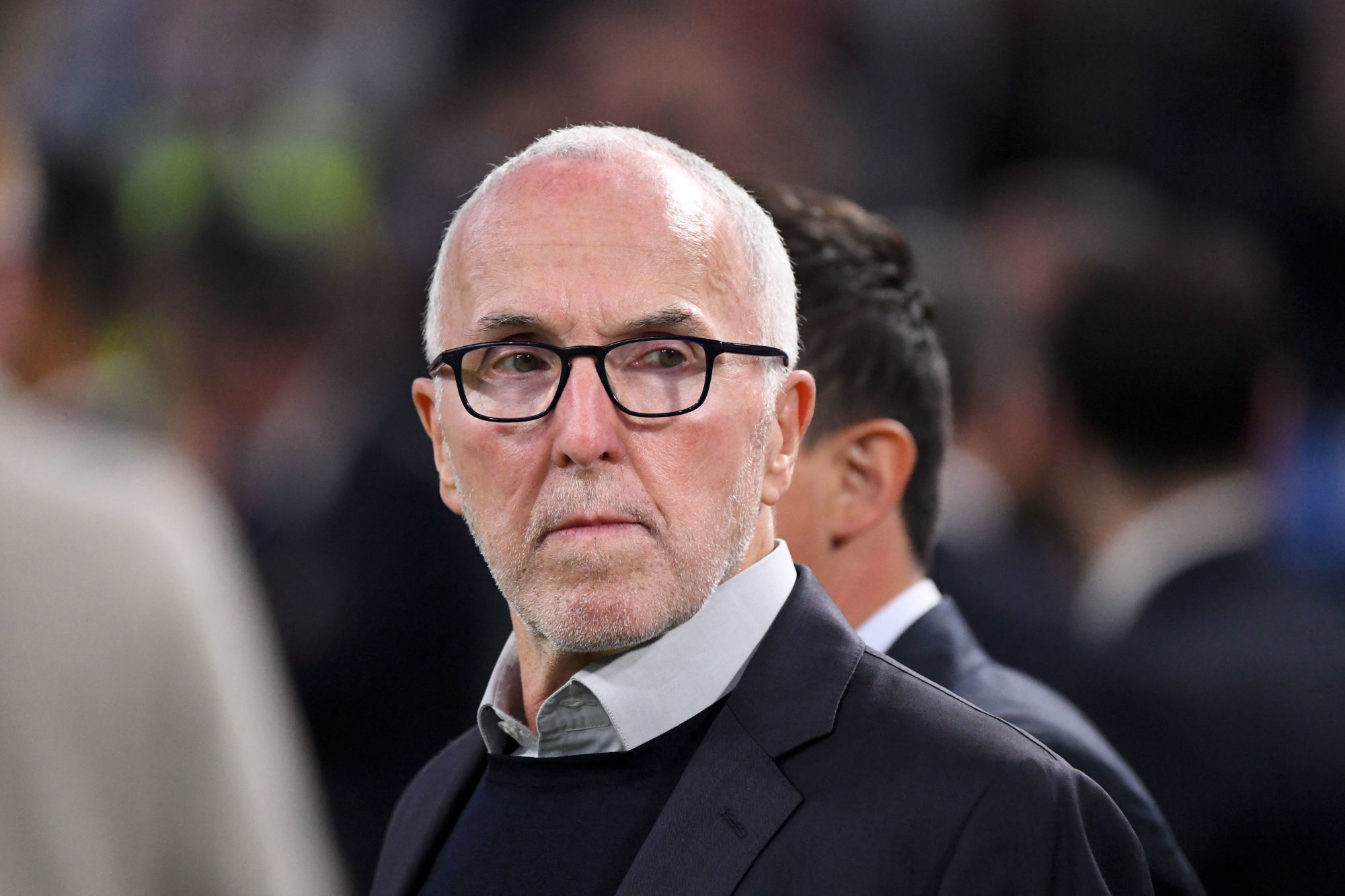
Marseille's Owner Injects €50.2 Million into the Football Club: A Strategic Move to Secure the...

Rebel Creamery LLC, a major ice cream brand, has filed for Chapter 11 bankruptcy following a...
Major ice cream brand seeks Chapter 11 bankruptcy after lawsuit
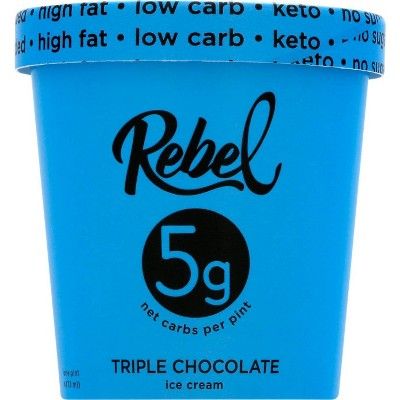
Ice cream brand sold in Houston faces financial repercussions after losing a high-profile lawsuit...

Netizen tidak senang dengan komentar-komentar yang diberikan

BTS mungkin kembali mengikuti Grammy setelah rekanan mereka, Recording Academy, mengumumkan revisi...
BTS mungkin tidak akan mengubah keputusan untuk mengabaikan Grammy karena deadline pengiriman musik...
Update terbaru tentang keputusan BTS untuk tidak mengirimkan musik mereka untuk dijadikan nominee...
Pihak Recording Academy mengumumkan akan kembali meninju keputusan untuk memperkenalkan kategori...

Sangyeop Sangyeop mengumumkan rencananya untuk menikah dengan seorang non-celebrity, mengejutkan...