



Donald Trump Orders Substantial Reduction of US-South Korea Military Drills Amid Tensions with North Korea
Donald Trump orders Pentagon to scale back joint military exercises with South Korea, citing his...
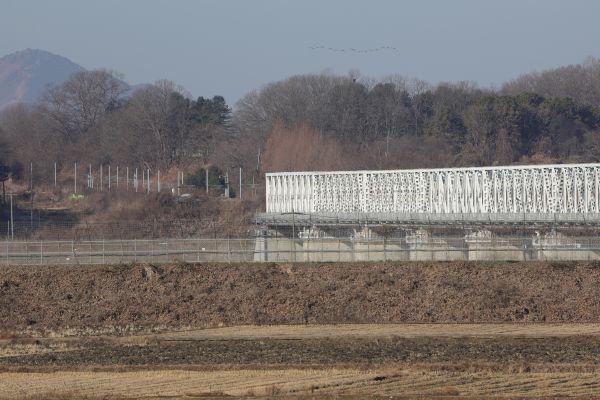
The Demilitarized Zone, or DMZ, has long been a symbol of tension and division between North and South Korea. However, in recent years, there has been a significant shift towards reconciliation and cooperation between the two nations. As part of this effort, the South Korean government has announced plans to open more areas near the DMZ for civilian use. This move is expected to have far-reaching implications for the region, from promoting economic growth and tourism to fostering a sense of peace and unity.
One of the key drivers behind this initiative is the desire to capitalize on the DMZ's unique cultural and historical significance. The area is home to a number of important landmarks, including the Joint Security Area and the Third Tunnel, which are already popular tourist destinations. By opening up more areas to civilians, the government hopes to attract even more visitors and stimulate local economic growth. According to officials, the plan is to develop the DMZ into a major tourist hub, with a range of amenities and activities that showcase the region's rich history and natural beauty.
So, what exactly does this mean for the people of South Korea and beyond? For starters, it represents a significant opportunity for economic development. The DMZ is situated in a strategically important location, with easy access to major cities like Seoul and Pyongyang. By investing in infrastructure and tourism facilities, the government hopes to create new jobs and stimulate local economic growth. At the same time, the plan is also seen as a way to promote peace and reconciliation between North and South Korea. By encouraging people-to-people exchanges and cultural events, the government aims to build bridges between the two nations and foster a sense of mutual understanding and respect.
Of course, there are also potential challenges and risks associated with this initiative. For example, the DMZ is still a highly militarized area, and there are concerns about safety and security. Additionally, there may be concerns about the environmental impact of large-scale tourism development. To address these issues, the government has announced plans to implement strict safety protocols and environmental safeguards, ensuring that the development of the DMZ is sustainable and responsible.
Looking to the future, the opening up of the DMZ to civilian use is likely to have significant implications for the region. As the area becomes more accessible and tourist-friendly, it is expected to attract visitors from all over the world. This, in turn, is likely to drive economic growth and stimulate local development. At the same time, the plan is also seen as a way to promote peace and reconciliation between North and South Korea, and to foster a sense of unity and cooperation between the two nations. As one government official noted, 'The DMZ has long been a symbol of division and tension. But now, we see it as an opportunity for growth, development, and peace.'.
In terms of the broader context, the move to open up the DMZ to civilian use is part of a larger trend towards reconciliation and cooperation between North and South Korea. In recent years, the two nations have made significant progress in terms of diplomatic relations, economic cooperation, and cultural exchange. The development of the DMZ is seen as a key part of this process, and is expected to play a major role in promoting peace and stability in the region. As the world watches with interest, it is clear that the DMZ is on the cusp of a new era of peace and development, one that promises to bring significant benefits to the people of South Korea and beyond.
As we look to the future, it is clear that the DMZ is poised to become a major hub of economic growth and cultural exchange. With its unique history, natural beauty, and strategic location, the area has the potential to attract visitors and investors from all over the world. At the same time, the development of the DMZ is also seen as a way to promote peace and reconciliation between North and South Korea, and to foster a sense of unity and cooperation between the two nations. As the government continues to move forward with its plans, it is likely that the DMZ will become an increasingly important player in regional and global affairs.
The question of how the DMZ will be developed and managed is also an important one. According to government officials, the plan is to create a range of amenities and facilities that showcase the region's history and culture. This will include museums, historic landmarks, and cultural events, as well as infrastructure such as roads, hotels, and restaurants. At the same time, the government is also committed to ensuring that the development of the DMZ is sustainable and responsible, with strict safety protocols and environmental safeguards in place.
In conclusion, the move to open up the DMZ to civilian use is a significant development with far-reaching implications for the region. As the area becomes more accessible and tourist-friendly, it is expected to drive economic growth, stimulate local development, and promote peace and reconciliation between North and South Korea. With its unique history, natural beauty, and strategic location, the DMZ is poised to become a major hub of economic growth and cultural exchange, and a symbol of hope and unity for the people of South Korea and beyond.
The South Korean government has initiated a plan to open more areas near the Demilitarized Zone for civilian use, paving the way for potential economic growth and tourism

Donald Trump orders Pentagon to scale back joint military exercises with South Korea, citing his...

The decision to cut back on military drills with South Korea has significant implications for...
President Trump's recent order for the Pentagon to curtail military exercises with South Korea has...
Trump directs Hegseth to scale back joint military exercises with South Korea Politico
Donald Trump's announcement of reduced military exercises with South Korea has sent shockwaves...
US President Trump urges the Pentagon to significantly reduce military exercises with South Korea,...

Netizen tidak senang dengan komentar-komentar yang diberikan

BTS mungkin kembali mengikuti Grammy setelah rekanan mereka, Recording Academy, mengumumkan revisi...
BTS mungkin tidak akan mengubah keputusan untuk mengabaikan Grammy karena deadline pengiriman musik...
Update terbaru tentang keputusan BTS untuk tidak mengirimkan musik mereka untuk dijadikan nominee...
Pihak Recording Academy mengumumkan akan kembali meninju keputusan untuk memperkenalkan kategori...

Sangyeop Sangyeop mengumumkan rencananya untuk menikah dengan seorang non-celebrity, mengejutkan...