



Pemerintah Kabupaten Aceh Tamiang: Bumi Muda Sedia Pulih dan Bangkit
Pemerintah Kabupaten Aceh Tamiang: Bumi Muda Sedia Pulih dan Bangkit — Informasi Terbaru

The recent spate of severe storms has brought significant disruption to the lives of many, particularly the approximately 160,000 Duke Energy customers who are currently without power. As the situation continues to unfold, residents are bracing themselves for more storms, exacerbating an already challenging circumstances. The company, Duke Energy, is one of the largest electric power holding companies in the United States, serving several states including North Carolina, South Carolina, Florida, and others. The prolonged power outage has affected not only homes but also businesses, highlighting the need for reliable and resilient energy infrastructure. Furthermore, the economic impact of such outages can be substantial, affecting productivity and disrupting essential services.
When examining the background of this issue, it becomes clear that extreme weather events have been on the rise, posing significant challenges to utilities and grid management systems. The question of who is most affected by these power outages is multifaceted, with vulnerable populations such as the elderly and those with critical medical needs being particularly at risk. Where these outages occur can also play a critical role in determining the response and recovery efforts, with urban and rural areas facing different sets of challenges. Why these storms are happening with increased frequency and intensity is a complex issue, involving factors such as climate change and environmental degradation. How the affected communities and utility companies respond to and prepare for these events will be crucial in mitigating their impact and ensuring a swift return to normalcy.
The key facts surrounding these power outages are stark, with the number of affected customers highlighting the scale of the issue. What is perhaps most concerning is the potential for further storms, which could lead to even more households being affected. The when and where of these storms are inherently unpredictable, although advances in meteorology have improved forecasting abilities. Analysis of past storms and their impact on power infrastructure can provide valuable insights into how to improve resilience and reduce the likelihood of future outages. Implications of prolonged power outages are far-reaching, affecting not just the quality of life but also economic stability and public health. In terms of future outlook, there is a growing recognition of the need for more investment in grid modernization and renewable energy sources to reduce dependence on traditional, vulnerable infrastructure.
The role of Duke Energy in addressing these power outages is critical, with the company working to restore electricity as quickly and safely as possible. Quotes from company officials have emphasized the challenges posed by the severe weather conditions and the commitment to supporting affected customers. Notable facts include the scale of the response efforts, with thousands of workers involved in the restoration process. Forward-looking analysis suggests that utility companies will need to adopt more proactive strategies to mitigate the effects of extreme weather events, possibly including the integration of more resilient infrastructure and advanced technologies. As the situation continues to evolve, residents are advised to follow safety guidelines and take necessary precautions to protect themselves and their properties.
In considering the broader implications of these power outages, it is essential to examine the context in which they occur. The where and when of these events are closely tied to broader environmental and climatic trends. Why these trends are happening involves a complex interplay of factors, including global warming and changes in weather patterns. How communities and utility companies adapt to these changes will be vital in reducing vulnerability to power outages. The economic and social impacts of prolonged outages can be significant, affecting businesses, schools, and healthcare services. As such, there is a growing need for comprehensive strategies that address not only the immediate restoration of power but also long-term resilience and sustainability.
Looking ahead, the future outlook for managing and mitigating the effects of severe storms on power infrastructure is complex. Key to addressing these challenges will be the development and implementation of more resilient and adaptive energy systems. This may involve investments in smart grid technologies, renewable energy sources, and advanced weather forecasting tools. The role of regulatory frameworks and policy initiatives will also be crucial in supporting the transition towards more sustainable and resilient energy systems. As Duke Energy and other utility companies work to restore power to affected areas, there is a parallel need for broader, systemic changes that can help reduce the risk and impact of future power outages. This will require a collaborative effort involving utility companies, policymakers, and the public to create a more sustainable and resilient energy future.
Ultimately, the situation with Duke Energy customers facing prolonged power outages serves as a stark reminder of the challenges posed by extreme weather events. The need for reliable, resilient, and sustainable energy systems has never been more pressing. As efforts continue to restore power and support affected communities, there is also a critical need for forward-looking strategies that address the root causes of these challenges. This will involve a combination of technological innovation, policy support, and public awareness, all aimed at creating a more robust and sustainable energy infrastructure for the future. By considering the who, what, when, where, why, and how of these power outages, we can work towards a comprehensive and effective response that supports both immediate needs and long-term sustainability.
The situation remains dire for thousands of households as severe storms continue to affect the region, leaving about 160,000 Duke Energy customers without electricity
Pemerintah Kabupaten Aceh Tamiang: Bumi Muda Sedia Pulih dan Bangkit — Informasi Terbaru

Acara 600 ribu porsi kulinier gratis di Monas, menghidupkan semangat kebangsaan dan memperkuat rasa...

Hayden Panettiere, bintang televisi Amerika yang terkenal dengan perannya dalam serial 'Heroes' dan...
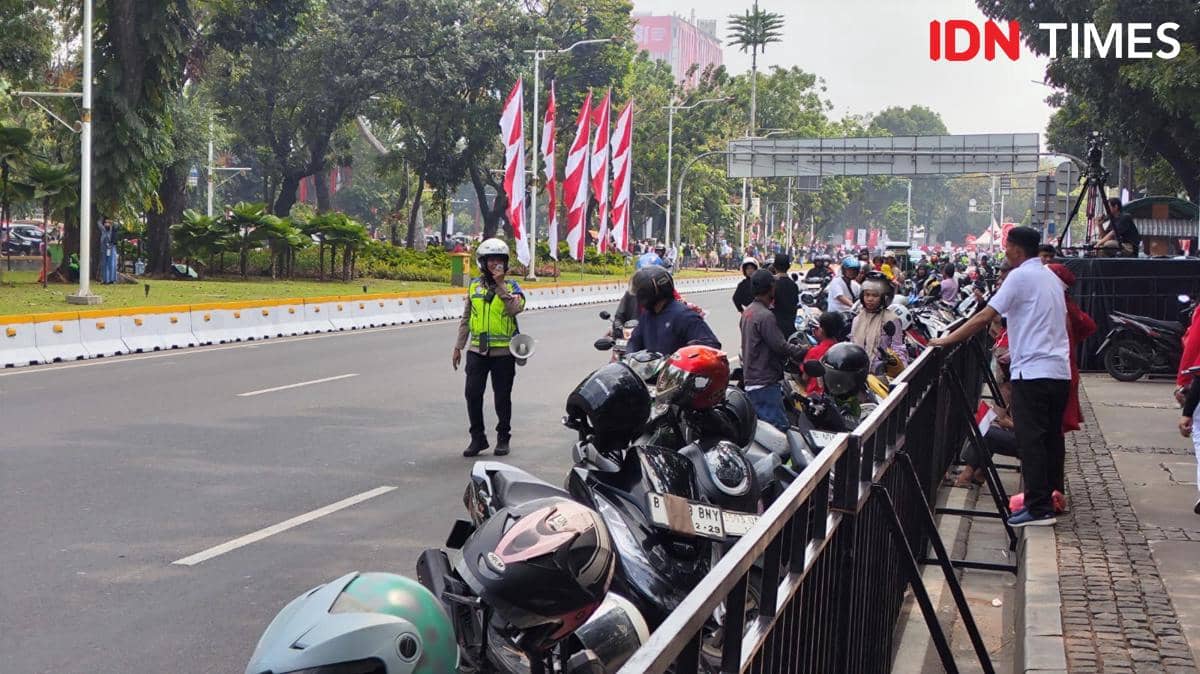
Jalan Merdeka Barat Dekat Istana Merdeka Jadi Parkir Liar Warga yang ke Monumen Nasional IDN Times

Kopassus Mengudara: Aksi Terjun Payung Terunggul di Istana Merdeka - Media Indonesia

Watch the live action of Tijuana vs. Cruz Azul, all the latest news, analysis, and match scores...

Netizen tidak senang dengan komentar-komentar yang diberikan

BTS mungkin kembali mengikuti Grammy setelah rekanan mereka, Recording Academy, mengumumkan revisi...
BTS mungkin tidak akan mengubah keputusan untuk mengabaikan Grammy karena deadline pengiriman musik...
Update terbaru tentang keputusan BTS untuk tidak mengirimkan musik mereka untuk dijadikan nominee...
Pihak Recording Academy mengumumkan akan kembali meninju keputusan untuk memperkenalkan kategori...

Sangyeop Sangyeop mengumumkan rencananya untuk menikah dengan seorang non-celebrity, mengejutkan...