


Lindsay Clancy's Trial Sheds Light on the Hidden Dangers of Postpartum Psychosis
Lindsay Clancy's trial raises crucial questions about postpartum psychosis, a little-understood...
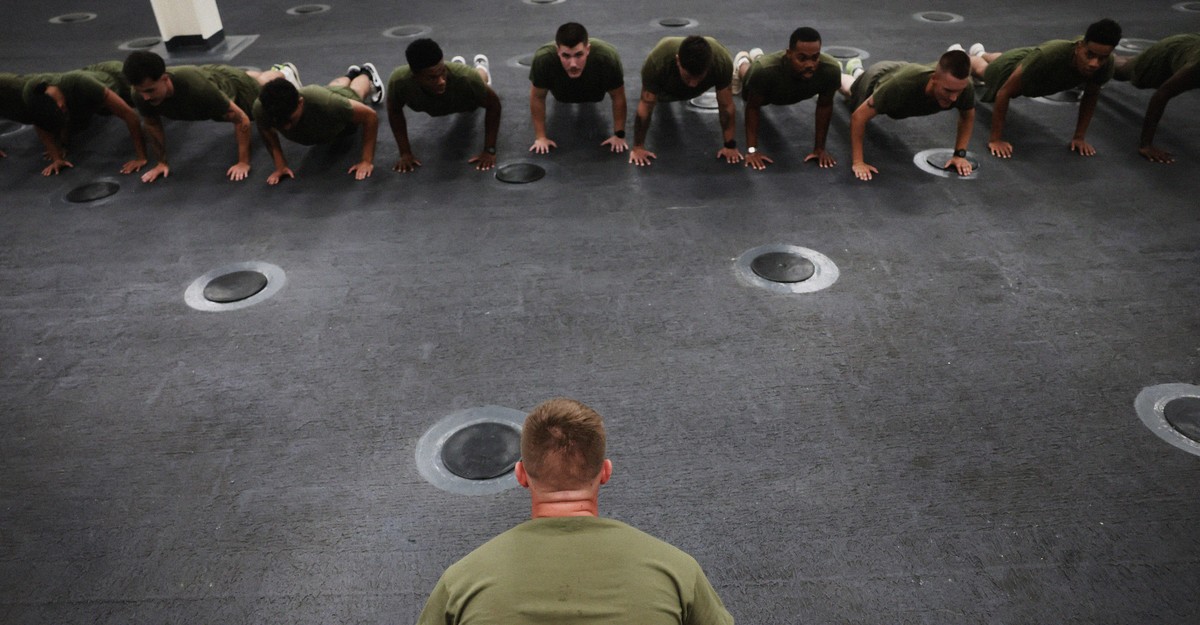
The US military has long been a bastion of masculinity, with a culture that values strength, courage, and toughness. But recent efforts by Secretary of Defense Pete Hegseth to promote a more macho image have raised eyebrows, particularly with his proposal to require annual testosterone testing for all service members over 30. Hegseth, a vocal advocate for a more aggressive and assertive military, has made clear that he believes testosterone levels are key to determining a soldier's effectiveness on the battlefield.
In a video posted on X, Hegseth explains that the testing will help identify service members with low testosterone levels, which he believes can be treated with testosterone-replacement therapy. He claims that this will 'restore and optimize your natural capabilities' and make soldiers more effective in combat. But experts are skeptical, pointing out that testosterone levels naturally decline with age, and that testing all service members could be costly and unnecessary.
The military's interest in testosterone predates Hegseth's tenure, with some researchers and lawmakers suggesting that low testosterone levels could contribute to so-called operator syndrome, a cluster of conditions including depression and cognitive impairment among Special Forces personnel. But when Army researchers have examined whether taking testosterone might help soldiers recover more quickly following the physical demands of combat, they've found mixed results.
At least within the general population, universal testosterone screening for men is not considered standard practice. The Endocrine Society recommends against testing for hypogonadism - the medical term for when the body doesn't produce enough testosterone or sperm - unless a man has symptoms such as erectile dysfunction. The American Urological Association's guidelines say that a low-testosterone diagnosis shouldn't be made based solely on a test, as testosterone levels can vary widely, and a man with a lower-than-average number might still be perfectly healthy.
Hegseth's decision to make testosterone testing mandatory has been met with criticism from some lawmakers and medical experts, who argue that it's not supported by current medical guidelines. Some experts also point out that testosterone-replacement therapy comes with real side effects, including suppressed natural production of the hormone and decreased sperm count. Others have raised questions about the practicality of implementing such a program and the cost to taxpayers.
The DOD official responsible for implementing the policy declined to say whether it had settled on an acceptable baseline for testosterone levels or how the testing would be conducted. Hegseth also didn't address the potential implications for women in the military, who are supposed to be tested annually along with men. Some experts have pointed out that the testing may do more harm than good, particularly for women, who would receive unnecessary testing and potentially be put at risk for side effects from treatment.
The controversy surrounding Hegseth's proposal has sparked a debate about the role of testosterone in military effectiveness and the impact of mandatory testing on soldiers. While some argue that testosterone levels are a key determinant of military readiness, others point out that there is no clear evidence to support such a claim. The debate is likely to continue, with some lawmakers and medical experts pushing for more research on the topic before any policy changes are made.
In the meantime, experts warn that Hegseth's proposal is not supported by current medical guidelines and could be costly and unnecessary, potentially wasting resources that could be better spent on other priorities. The proposal has also sparked concerns about the potential for misuse of testosterone-replacement therapy, particularly among military personnel who may be at increased risk for the negative side effects.
Ultimately, the decision to require annual testosterone testing in the US military comes down to a complex mix of factors, including the impact on military readiness, the potential for side effects, and the practicality of implementing such a program. As the debate continues, it's clear that the issue is far from straightforward, and more research is needed before any policy changes are made.
Pete Hegseth, the Secretary of Defense, wants to require annual testosterone testing for all service members over 30, but experts question the move.
Lindsay Clancy's trial raises crucial questions about postpartum psychosis, a little-understood...
The high-profile trial of Lindsay Clancy, who is accused of murdering her three children,...

A recent medical emergency has left Earth, Wind & Fire drummer John Paris in a critical condition,...

Earth, Wind and Fire drummer John Paris' cardiac incident highlights the importance of artist...

Bruce Willis Makes Rare Appearance at Daughter Tallulah's Wedding Amid Dementia Battle
A heart-wrenching story of postpartum psychosis unfolds in the Lindsay Clancy case, as a survivor...

Netizen tidak senang dengan komentar-komentar yang diberikan

BTS mungkin kembali mengikuti Grammy setelah rekanan mereka, Recording Academy, mengumumkan revisi...
BTS mungkin tidak akan mengubah keputusan untuk mengabaikan Grammy karena deadline pengiriman musik...
Update terbaru tentang keputusan BTS untuk tidak mengirimkan musik mereka untuk dijadikan nominee...
Pihak Recording Academy mengumumkan akan kembali meninju keputusan untuk memperkenalkan kategori...

Sangyeop Sangyeop mengumumkan rencananya untuk menikah dengan seorang non-celebrity, mengejutkan...