





Pemerintah Kabupaten Aceh Tamiang: Bumi Muda Sedia Pulih dan Bangkit
Pemerintah Kabupaten Aceh Tamiang: Bumi Muda Sedia Pulih dan Bangkit — Informasi Terbaru
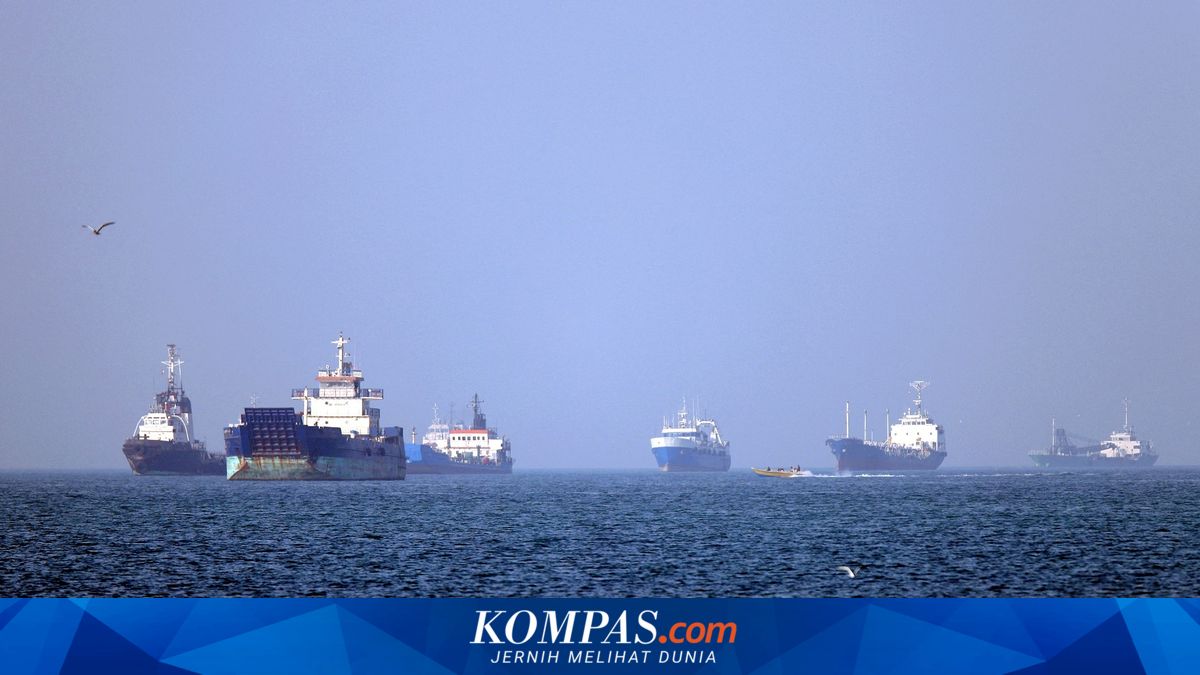
TEHERAN, KOMPAS.com - Ships have successfully crossed the Strait of Hormuz using a unique strategy combined with the help of US military, according to a report by Wall Street Journal, Friday (29/5/2026).
A number of ships have recently passed through the precarious passage in recent weeks. Among them is the largest tanker ship carrying crude oil and liquefied natural gas.
Some ships have been sailing in 'dark mode,' a term in the shipping industry when ships turn off their lights and navigate without sound or Automatic Identification System (AIS) signals.
By disabling these features, ships are harder to detect electronically and reduce the risk of an Iranian attack.
A small number of passages have crossed through the US-designated 'Freedom Project' section of the Gulf, designated earlier this month.
Although the operation involving USS Navy and Air Force was short-lived, this project has left a relatively safe route through the Persian Gulf.
During the operation, some ships remained connected to the US military, which used radar, drones, and other equipment to monitor traffic and help them cross safely.
The US provided them with advice on when to disable communication and how to respond to Iranian threats, reported WSJ, citing ship owners and US military officials.
Captain Tim Hawkins, US Central Command spokesperson, said his team continued to communicate and coordinate with ships passing through the Strait of Hormuz.
A Greek super-tanker carrying two million barrels of crude oil communicated with the US while crossing the waters off Oman last week.
The ship was trapped in the Persian Gulf since early March and is now heading to India to unload its cargo.
A Chinese ship, Vicstar, successfully sailed in 'dark mode' on May 17 from the UAE to Brazil after being stuck in the Gulf for nearly three months.
The ship's crew said the ship turned off AIS at night and sailed along the Oman coast.
Navigating without AIS or automatic identification systems poses significant risks, as ships cannot see or identify each other on electronic charts.
Instead, ships rely on radar for navigation and require experienced hands at the helm.
Skilled captains also need to anticipate other ships. This is because radar does not display ship names, making communication, coordination, and maneuvering to avoid collisions challenging.
'Clearly, there's a risk of safety and security (sailing in 'dark mode'),' said Claire Jungman, director of maritime risk and intelligence at Vortexa.
Smart Strategy Used by Ships to Safely Cross the Strait of Hormuz, US Military Involvement
Pemerintah Kabupaten Aceh Tamiang: Bumi Muda Sedia Pulih dan Bangkit — Informasi Terbaru

Acara 600 ribu porsi kulinier gratis di Monas, menghidupkan semangat kebangsaan dan memperkuat rasa...

Hayden Panettiere, bintang televisi Amerika yang terkenal dengan perannya dalam serial 'Heroes' dan...

Jalan Merdeka Barat Dekat Istana Merdeka Jadi Parkir Liar Warga yang ke Monumen Nasional IDN Times

Kopassus Mengudara: Aksi Terjun Payung Terunggul di Istana Merdeka - Media Indonesia

Watch the live action of Tijuana vs. Cruz Azul, all the latest news, analysis, and match scores...

Netizen tidak senang dengan komentar-komentar yang diberikan

BTS mungkin kembali mengikuti Grammy setelah rekanan mereka, Recording Academy, mengumumkan revisi...
BTS mungkin tidak akan mengubah keputusan untuk mengabaikan Grammy karena deadline pengiriman musik...
Update terbaru tentang keputusan BTS untuk tidak mengirimkan musik mereka untuk dijadikan nominee...
Pihak Recording Academy mengumumkan akan kembali meninju keputusan untuk memperkenalkan kategori...

Sangyeop Sangyeop mengumumkan rencananya untuk menikah dengan seorang non-celebrity, mengejutkan...