




Penalties Handed to Nos. 20, 51 Cup Series Teams Following Pre-Season Inspection Issues at Richmond
The Nos. 20 and 51 Cup Series teams were penalized after failing multiple pre-season inspections at...

Subaru, a renowned Japanese automobile manufacturer, has recently announced a significant recall of its vehicles. The recall affects over 540,000 Subaru Crosstreks, Foresters, and Ascents due to an error in the labeling of the rear axle Gross Axle Weight Rating (GAWR). This mistake, which might seem minor at first glance, has substantial implications for vehicle safety and compliance with regulatory standards. The National Highway Traffic Safety Administration (NHTSA) has been notified, and Subaru is taking proactive measures to rectify the situation. According to the NHTSA, the incorrect GAWR information could potentially lead to the overloading of vehicles, which in turn might compromise safety on the road. The recall highlights the importance of precise labeling and adherence to safety protocols in the automotive industry.
The background to this recall is rooted in the distinction between the Gross Vehicle Weight Rating (GVWR) and the Gross Axle Weight Rating (GAWR). While the GVWR refers to the maximum allowable weight of the entire vehicle, including passengers, cargo, and fuel, the GAWR is specific to the maximum weight that can be supported by a single axle. Subaru's situation involves the rear axle GAWR, which has been incorrectly labeled on the affected vehicles. This discrepancy could lead vehicle owners to overload their cars, unknowingly exceeding the weight capacity of the rear axle. Subaru's decision to issue a recall underscores its commitment to safety and compliance, even when the error might seem to be a mere typo. The company's proactive approach is commendable, especially given the potential risks associated with overloaded vehicles.
The recall encompasses a wide range of Subaru models, including the 2019-2026 Subaru Ascent, 2025-2026 Subaru Forester and Forester Hybrid, and the 2026 Subaru Crosstrek Hybrid. An estimated 100 percent of the vehicles within these model years are believed to be affected, totaling 541,237 cars. This widespread issue necessitates a comprehensive solution, which Subaru is working to provide. The company plans to mail out corrected GAWR labels to vehicle owners, who can then apply these labels over the existing ones. For those who prefer professional assistance, Subaru dealerships will also be available to affix the new labels at no additional cost. The simplicity of this solution belies the complexity of the issue and the potential consequences of inaction. Subaru's approach ensures that the correction process is both accessible and hassle-free for vehicle owners.
When analyzing the implications of this recall, it becomes clear that Subaru's action is not merely a response to a technical error but also a testament to the company's commitment to safety. The incorrect labeling of the GAWR could lead to serious safety issues, as overloaded vehicles are more prone to accidents and can result in significant damage or injury. By proactively addressing this issue, Subaru demonstrates its understanding of the potential risks and its responsibility towards its customers. Furthermore, this recall serves as a reminder of the meticulous attention to detail required in the automotive industry, where even the smallest oversight can have significant consequences. The recall process itself is a complex operation, involving coordination with regulatory bodies, the production of corrected labels, and the communication with hundreds of thousands of vehicle owners.
In terms of future outlook, Subaru's recall is likely to have a positive impact on the company's reputation in the long term. While the immediate effects might include additional costs and logistical challenges, the company's proactive and transparent approach to addressing the issue is likely to foster trust among its customer base. Moreover, this episode highlights the importance of regulatory compliance and safety protocols in the automotive sector. As technology advances and vehicles become increasingly sophisticated, the need for precise and accurate labeling and documentation will only grow. Subaru's experience serves as a case study for the industry, emphasizing the need for vigilance and proactive measures to ensure that vehicles meet the highest safety and regulatory standards. The automotive industry is on the cusp of significant changes, with electric vehicles, autonomous driving, and connectivity becoming more prevalent. In this context, Subaru's commitment to safety and compliance will be crucial in navigating these changes and maintaining customer trust.
The timing of the recall is also noteworthy, given the current automotive landscape. With the industry moving towards more sustainable and technologically advanced vehicles, issues like the GAWR labeling mistake might seem incongruous with the pace of innovation. However, they underscore the foundational importance of safety and compliance, regardless of how advanced or sophisticated vehicles become. Subaru's decision to recall such a large number of vehicles due to a labeling error is a sobering reminder that, despite advancements in technology, the fundamentals of vehicle safety and regulatory compliance remain paramount. The recall process, expected to start with the mailing of corrected labels in January 2027, marks the beginning of Subaru's efforts to rectify the situation and ensure that all affected vehicles are brought up to the required standards.
Looking ahead, it will be interesting to observe how Subaru navigates the aftermath of this recall and how the company works to prevent similar issues in the future. The recall itself is a significant undertaking, requiring substantial resources and logistical efforts. However, the long-term benefits of maintaining a strong safety record and adhering to regulatory standards are invaluable. Subaru's commitment to its customers and to safety is evident in its decision to undertake this recall, and it is likely that the company will emerge from this situation with its reputation intact, if not enhanced. The recall of over 540,000 vehicles due to a labeling error may seem like a significant setback, but it also presents Subaru with an opportunity to demonstrate its dedication to safety, quality, and customer satisfaction. By addressing this issue proactively and transparently, Subaru is not only complying with regulatory requirements but also reinforcing its brand values and commitment to excellence.
Subaru is recalling a substantial number of its vehicles, including Crosstreks, Foresters, and Ascents, because of an incorrect label related to the rear axle Gross Axle Weight Rating (GAWR)
The Nos. 20 and 51 Cup Series teams were penalized after failing multiple pre-season inspections at...
Egg Recall 2026: Get the facts on the recent egg recall, including affected brands and states.
A thorough examination of the incident involving a Ryanair plane where a man was partially sucked...

The 'Rabbit Punches' controversy surrounding Terrel Williams and Prichard Colon resurfaces, raising...
A recent incident involving a Ryanair Boeing 737 aircraft in Greece has brought to light a...
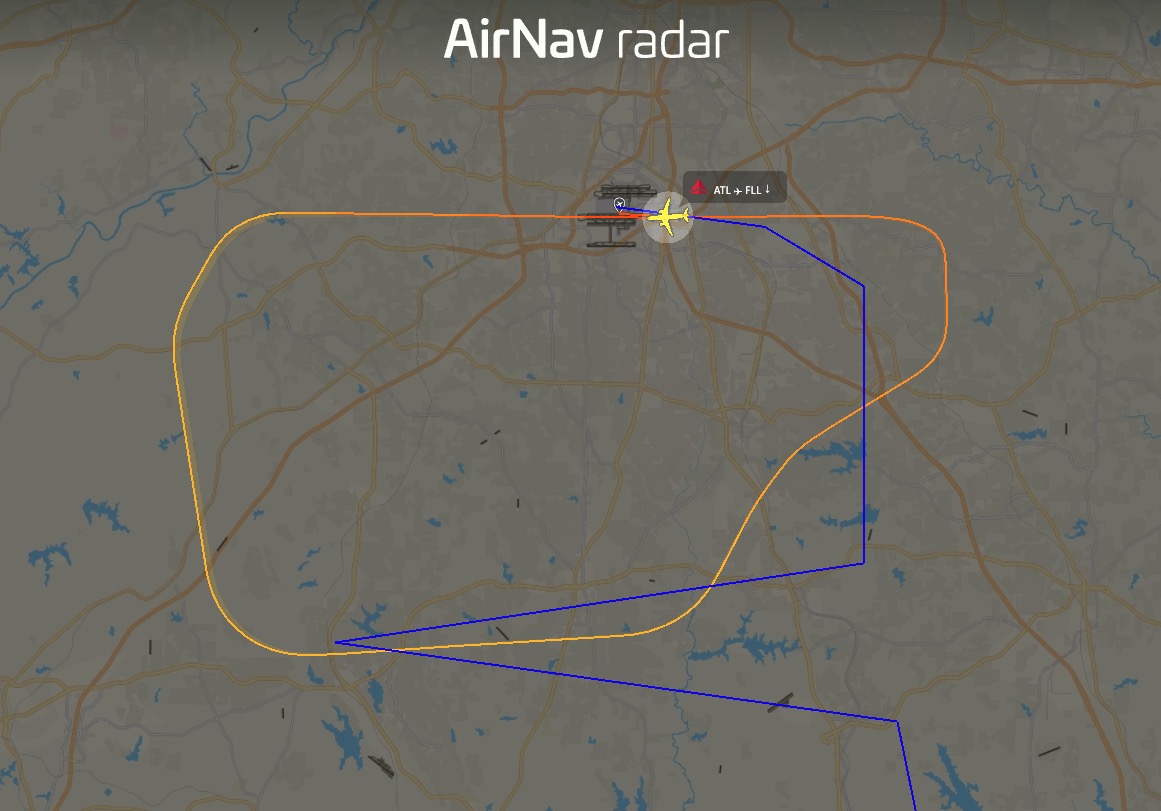
Delta DL1334's emergency return to Atlanta highlights the significance of thorough pre-flight...

Netizen tidak senang dengan komentar-komentar yang diberikan

BTS mungkin kembali mengikuti Grammy setelah rekanan mereka, Recording Academy, mengumumkan revisi...
BTS mungkin tidak akan mengubah keputusan untuk mengabaikan Grammy karena deadline pengiriman musik...
Update terbaru tentang keputusan BTS untuk tidak mengirimkan musik mereka untuk dijadikan nominee...
Pihak Recording Academy mengumumkan akan kembali meninju keputusan untuk memperkenalkan kategori...

Sangyeop Sangyeop mengumumkan rencananya untuk menikah dengan seorang non-celebrity, mengejutkan...