





Pemerintah Kabupaten Aceh Tamiang: Bumi Muda Sedia Pulih dan Bangkit
Pemerintah Kabupaten Aceh Tamiang: Bumi Muda Sedia Pulih dan Bangkit — Informasi Terbaru
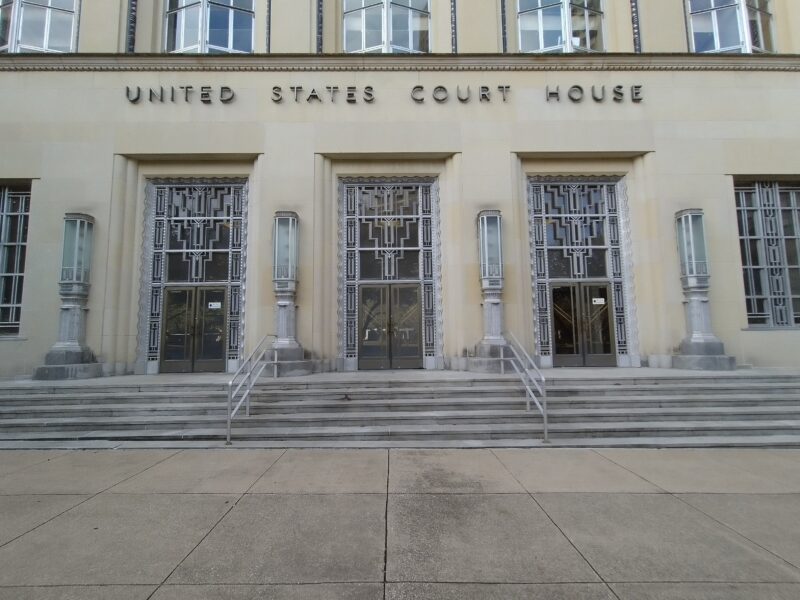
The case of the Texas ICE detention protest shooter has garnered significant attention due to its connection to the broader debate on domestic terrorism and the role of antifa in the United States. The sentencing of Benjamin Song to 100 years in federal prison, along with the lengthy sentences given to his co-defendants, underscores the seriousness with which federal authorities are treating such incidents. This is particularly pertinent given the context of President Donald Trump's executive order last year, which designated antifa as a domestic terrorist organization, despite the lack of a unified, official antifa entity. The prosecution argued that the defendants, who included Maricela Rueda, Savanna Batten, Zachary Evetts, Autumn Hill, Meagan Morris, Elizabeth Soto, and Daniel Estrada, were involved in domestic terrorism, utilizing tactical gear and encrypted messaging apps, indicative of a coordinated effort. The defense, however, maintained that the protest was intended to be peaceful, aimed at supporting detained immigrants, and that the defendants' actions were misunderstood or exaggerated.
Benjamin Song, identified as the ringleader and the only defendant convicted of attempted murder, provided a written statement during his sentencing. In it, he explained his actions as a response to a perceived threat by an Alvarado police officer, Lt. Thomas Gross, against an unarmed protestor. Song, a firearms instructor and a United States Marine Corps Veteran, claimed he knew exactly what was about to happen and intervened to prevent harm to the protestor, indicating that his actions were motivated by a desire to protect, rather than to engage in terrorism. This perspective is crucial as it highlights the complex circumstances surrounding the event and the need for a nuanced understanding of the motivations and actions of the individuals involved. Furthermore, the involvement of veterans in such incidents raises questions about the integration of military personnel back into civilian life and the potential for their skills to be applied in controversial contexts.
The sentences handed down by U.S. District Judges Mark Pittman and Reed O’Connor reflect the gravity with which the judicial system views these offenses. Judge Pittman, a Trump appointee, sentenced Morris, Rueda, Soto, and Song, while Judge O’Connor, an appointee of George W. Bush, sentenced Batten, Evetts, Hill, and Estrada. The legal proceedings and the resultant sentences have significant implications for the interpretation and application of domestic terrorism laws in the United States. The case also touches on issues of free speech, the right to peaceful assembly, and the limits of law enforcement authority, particularly in the context of protests and demonstrations. As such, it is likely to be scrutinized by legal scholars, civil liberties organizations, and the general public, sparking debates about justice, security, and individual rights.
The context of this case is deeply intertwined with the political climate of the United States, especially considering the executive order that labeled antifa as a domestic terrorist organization. Critics of this designation argue that it is a political move aimed at suppressing dissent and could potentially criminalize a wide range of political activities. Supporters, however, see it as a necessary measure to address what they perceive as a growing threat from leftist extremism. The lack of a clear, unified antifa organization complicates this narrative, as does the fact that the movement encompasses a broad spectrum of ideologies and tactics, not all of which can be characterized as violent or terrorist. This complexity necessitates a thoughtful and multifaceted approach to addressing political violence, one that distinguishes between different forms of activism and ensures that responses are proportionate and respectful of constitutional rights.
Looking forward, the implications of this case are far-reaching. It sets a precedent for how similar incidents might be prosecuted in the future, potentially influencing the strategies of both law enforcement and protest movements. The lengthy sentences may deter some individuals from engaging in violent protests, but they could also galvanize others who see the sentences as evidence of systemic injustice. Moreover, the case highlights the need for ongoing dialogue about the balance between public safety and civil liberties, particularly in an era marked by increased polarization and political tension. As the United States continues to grapple with these issues, it is essential that policymakers, legal experts, and the public engage in a nuanced discussion about the appropriate responses to political extremism and the preservation of democratic freedoms.
In analyzing the future outlook, it is also worth considering the role of social media and digital platforms in the organization and dissemination of information related to protests and political movements. The use of encrypted messaging apps, as alleged in this case, points to the evolving nature of communication among activists and the challenges this poses for law enforcement and intelligence agencies. The interplay between technology, activism, and governance will continue to shape the landscape of political expression and the response to it, underscoring the need for adaptable policies and legal frameworks that can effectively balance security concerns with the protection of individual rights.
Ultimately, the sentencing of the Texas ICE detention protest shooter and his co-defendants to lengthy prison terms serves as a stark reminder of the severe consequences that can result from violent actions during protests. While the case is significant for its legal implications and the light it sheds on the complexities of political extremism, it also underscores the human cost of such incidents. For the defendants, their families, and the communities affected, the sentences mark the beginning of a long period of reflection, rehabilitation, and, for some, a lifetime of separation from society. As the legal system continues to navigate the challenges posed by domestic terrorism and political violence, it must do so with a commitment to justice, fairness, and the principles of democracy that these protests, in their diverse forms, aim to uphold.
The reaction to these sentences from various segments of society will also be telling. Activist groups, legal advocacy organizations, and human rights entities may view these sentences as excessive, arguing that they represent an overreach of federal authority and an attempt to suppress dissent. On the other hand, those who see antifa as a significant threat may welcome the sentences as a strong stance against domestic terrorism. The divisions in public opinion reflect the broader societal debates about the nature of protests, the limits of free speech, and the appropriate response to political violence. These debates, while contentious, are essential for the health of democracy, as they force a critical examination of values, policies, and the application of the law.
Given the complexity and the far-reaching implications of this case, it is crucial that the legal community, policymakers, and the public continue to engage with these issues in a thoughtful and informed manner. This includes examining the historical context of political movements and the legal frameworks that govern them, understanding the sociological and psychological factors that drive individuals to engage in violent protests, and developing strategies that address the root causes of extremism. By doing so, it may be possible to create a more nuanced and effective approach to managing political dissent, one that respects the rights of all individuals while maintaining public safety and order. This is a challenging but necessary endeavor, as the ability to balance these competing interests will be crucial in defining the character of democratic societies in the years to come.
A gunman involved in a protest at a Texas ICE detention center has been sentenced to 100 years in federal prison, alongside seven co-defendants who received decades-long sentences, marking one of the first federal prosecutions under President Donald Trump's executive order designating antifa as a domestic terrorist organization
Pemerintah Kabupaten Aceh Tamiang: Bumi Muda Sedia Pulih dan Bangkit — Informasi Terbaru
Dewi Soekarno, Putri Presiden Pertama Indonesia, Hadiri Ulang Tahun ke-81 Republik Indonesia dan...
Perayaan HUT ke-81 RI, Dewi Soekarno Mengungkapkan Keterkejutannya Terhadap Perubahan Istana

Ratna Sari Dewi Membagikan Kenangan Bersama Soekarno di Upacara HUT ke-81 RI di Istana - Berita...
The Importance of an Independent US Department of Justice: Understanding Todd Blanche's Remarks

Donald Trump orders Pentagon to scale back joint military exercises with South Korea, citing his...

Netizen tidak senang dengan komentar-komentar yang diberikan

BTS mungkin kembali mengikuti Grammy setelah rekanan mereka, Recording Academy, mengumumkan revisi...
BTS mungkin tidak akan mengubah keputusan untuk mengabaikan Grammy karena deadline pengiriman musik...
Update terbaru tentang keputusan BTS untuk tidak mengirimkan musik mereka untuk dijadikan nominee...
Pihak Recording Academy mengumumkan akan kembali meninju keputusan untuk memperkenalkan kategori...

Sangyeop Sangyeop mengumumkan rencananya untuk menikah dengan seorang non-celebrity, mengejutkan...