




Understanding Flock Cameras: A Comprehensive Guide to Vehicle Surveillance
Learn how to check if your car has been searched by Flock cameras and understand the implications...

But their soaring valuations raise an uncomfortable question: Are investors funding the next generation of defense giants—or inflating another AI bubble?
The disparity between the two companies illustrates just how aggressively private markets are pricing the sector.
Meanwhile, Shield AI raised $1.5 billion in a March Series G financing that valued the company at $12.7 billion, up roughly 140% from its previous $5.3 billion valuation.
On the surface, both appear to be beneficiaries of the same trend: governments increasingly seeking autonomous capabilities amid rising geopolitical tensions. But investors are valuing them very differently.
Anduril increasingly resembles an aspiring prime contractor. Its business spans autonomous fighter aircraft, counter-drone systems, border surveillance, missile defense, and its Lattice command-and-control platform. The company’s strategy is broad: own the operating system of the modern battlefield while manufacturing the systems connected to it.
Shield AI has taken a more focused approach. Its flagship Hivemind autonomy software allows aircraft to operate without GPS or communications links. The company has concentrated heavily on autonomous flight, including its V-BAT drone platform. That narrower focus has helped establish it as a specialist rather than a defense conglomerate in waiting.
Ironically, the two companies aren’t always competitors.
Shield AI’s autonomy software has been selected for programs involving Anduril-built aircraft, underscoring how interconnected the defense technology ecosystem has become. The Department of Defense increasingly appears willing to mix and match best-in-class technologies rather than rely exclusively on a single contractor.
Still, the valuations imply enormous expectations. At approximately $61 billion, Anduril is valued at roughly 28 times its reported 2025 revenue. Legacy defense contractors such as Lockheed Martin and RTX Corporation typically trade at low single-digit revenue multiples.
Investors justify the premium by arguing Anduril is not a traditional defense company. It combines software economics, AI capabilities, and startup speed with access to one of the world’s largest customers: the U.S. government.
Shield AI’s valuation, while lower, reflects similar optimism. Investors aren’t pricing today’s business. They’re pricing what autonomous warfare could become over the next decade. That may prove prescient.
Global conflicts have highlighted the growing importance of drones and autonomy. Western governments are prioritizing defense industrial capacity after decades of underinvestment. The Pentagon has increasingly embraced nontraditional suppliers capable of moving faster than incumbent contractors.
Yet history suggests caution. Every transformative technology cycle attracts excess capital. Railroads, the internet, clean energy, and consumer AI all experienced periods where valuations ran ahead of fundamentals before eventually separating winners from pretenders.
Defense AI could follow the same path. The difference is that, unlike many previous tech booms, the demand signal behind Anduril and Shield AI isn’t consumer enthusiasm. It’s government budgets, national security priorities, and a world that appears increasingly willing to spend whatever it takes to prepare for the next conflict.
Whether defense AI proves to be a lasting industrial shift or another cycle of private-market excess will decide if today’s investors are early to a structural trend or early to a correction.
This content was partially produced with the help of AI tools and was reviewed and published by Benzinga editors.
© 2026 Benzinga.com. Benzinga does not provide investment advice. All rights reserved.
To add Benzinga News as your preferred source on Google, click here.
A newsletter built for market enthusiasts by market enthusiasts. Top stories, top movers, and trade ideas delivered to your inbox every weekday before and after the market closes.
At the center of the frenzy are two of the industry’s biggest names: Anduril Industries and Shield AI, Tech Times reported. Both companies build autonomous systems designed to reduce the burden on human operators. Both pitch software as much as hardware. Both have become favorites among Silicon Valley investors eager to capitalize on a new era of military spending.
Databricks has agreed to acquire Panther Labs, in a move that expands the data company's footprint in cybersecurity.
Anduril recently closed a $5 billion funding round at a reported $61 billion valuation, doubling its value from $30.5 billion less than a year earlier. Since its $4.7 billion valuation in 2021, the company has scaled sharply, fueled by rising demand for its AI-driven autonomous systems and accelerating revenue growth. The company anticipates continued rapid expansion as it ramps up manufacturing capacity and secures increasingly large government contracts.
A Claude customer filed a federal lawsuit claiming Anthropic's Claude Max plans don't deliver the level of access buyers were led to expect.
The AI Arms Race: Can Anduril And Shield AI Dominate Autonomous Warfare? Benzinga
Learn how to check if your car has been searched by Flock cameras and understand the implications...

Exploring the unique connection between comedian Larry David and the world of Electronic Arts

A comprehensive look at tennis, from its origins to its current state, covering key events, notable...

The United States Navy is weighing a significant redesign of its warships to match the preferences...
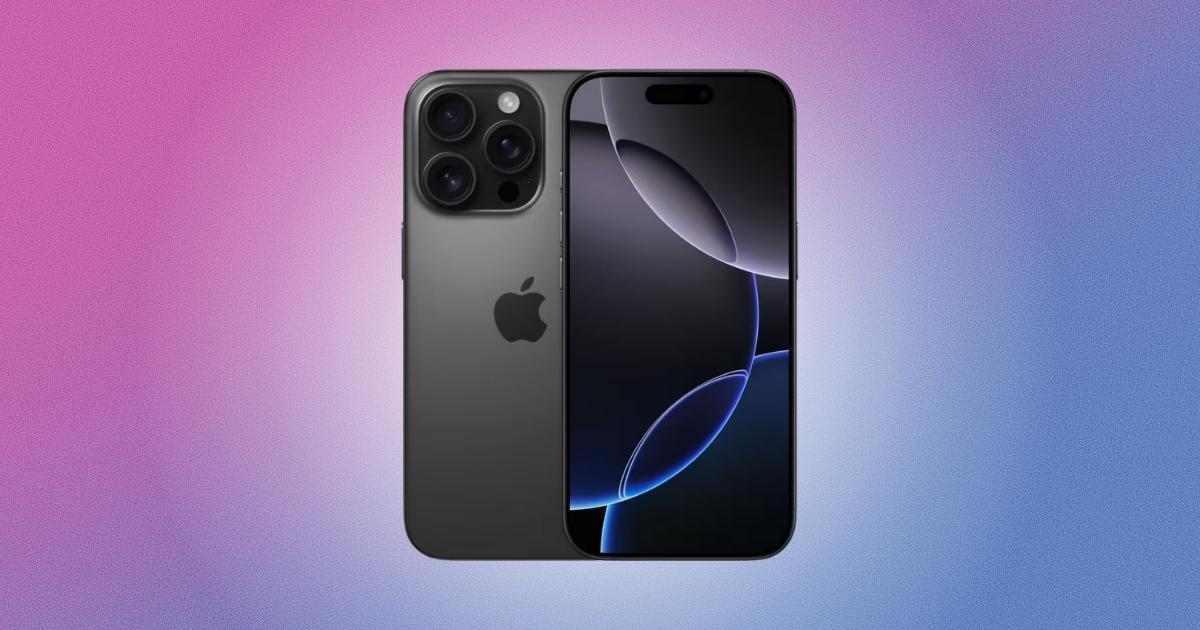
Unlock the Secret to Acquiring an iPhone 16 Pro for Around 700 € Instead of 1200 €: Discover...
Disney's D23 Expo has always been a highly anticipated event where the company showcases its...

Netizen tidak senang dengan komentar-komentar yang diberikan

BTS mungkin kembali mengikuti Grammy setelah rekanan mereka, Recording Academy, mengumumkan revisi...
BTS mungkin tidak akan mengubah keputusan untuk mengabaikan Grammy karena deadline pengiriman musik...
Update terbaru tentang keputusan BTS untuk tidak mengirimkan musik mereka untuk dijadikan nominee...
Pihak Recording Academy mengumumkan akan kembali meninju keputusan untuk memperkenalkan kategori...

Sangyeop Sangyeop mengumumkan rencananya untuk menikah dengan seorang non-celebrity, mengejutkan...