




FDA Issues Highest Level Egg Recall Following Widespread Salmonella Outbreak
The FDA has elevated the recent egg recall to its highest level due to a significant Salmonella...

The sudden removal of a scientific article from the esteemed journal Toxicology Reports has sparked widespread attention and concern within the scientific community. Health Secretary Robert F. Kennedy Jr. has written to the journal's editor-in-chief, requesting a thorough explanation for the article's removal. The article, published five years ago, explored the link between vaccines and infant deaths, leading to intense scrutiny and backlash.
The article in question, 'Vaccines and sudden infant death: An analysis of the VAERS database 1990-2019 and review of the medical literature,' was penned by Neil Miller, a respected medical researcher. The abstract boldly stated that 'while the findings in this paper are not proof of an association between infant vaccines and infant deaths, they are highly suggestive of a causal relationship.' Unfortunately, the study's provocative claims have been met with fierce criticism and skepticism, with many experts labeling it as 'highly flawed.'
Reacting to the article's removal, Robert F. Kennedy Jr. wrote to Lawrence H. Lash, editor-in-chief of Toxicology Reports, citing the need for transparency and openness within scientific inquiry. 'Americans have a right to know why scientific papers are removed, who made those decisions, what evidence supported them, and whether the same standards are applied consistently,' he emphasized. This stance is emblematic of his long-standing crusade to reveal alleged corruption within the pharmaceutical industry.
The controversy surrounding this article has reignited the heated debate surrounding vaccine safety. Proponents of vaccination argue that the scientific consensus unequivocally supports the safety of vaccines, while opponents like Kennedy remain unconvinced, often pointing to anecdotal evidence or incomplete data. The Toxicology Reports journal's decision to remove the article has fueled concerns that censorship and industry pressure are stifling scientific progress and limiting open discussion.
Despite the journal's attempts to clarify the situation, Miller remains adamant that his article was not retracted, merely removed due to 'eight specific concerns' raised by a single individual. He further claims that some members of Elsevier's ethics committee believed his article contained 'methodological flaws,' although they failed to specify the exact issues. The opaque nature of the removal process has left many questioning the editorial judgment of Toxicology Reports.
As this saga unfolds, it serves as a poignant reminder of the fragile balance between scientific freedom and societal expectations. In an era where misinformation and pseudoscience often dominate public discourse, it is crucial that scholars and policymakers engage in a constructive conversation about the boundaries of scientific inquiry and the perils of censorship.
The repercussions of this controversy extend far beyond the scientific community, with far-reaching implications for public health policy and vaccine development. By examining this case, we can gain deeper insight into the intricate dynamics between scientific research, politics, and the pharmaceutical industry.
The fate of this article may seem insignificant, but it underscores the pressing need for transparency, accountability, and trust in the scientific community. As we navigate the complex web of scientific inquiry, it is essential that we prioritize intellectual honesty, rigor, and a willingness to engage in open debate.
The puzzling removal of a scientific article from a reputable journal raises numerous red flags regarding the freedom of scientific inquiry
The FDA has elevated the recent egg recall to its highest level due to a significant Salmonella...
The US FDA has upgraded the egg recall linked to Salmonella poisoning to the highest risk level,...

A latest discovery at Lawrence Livermore National Laboratory sheds light on diamond's melting point...
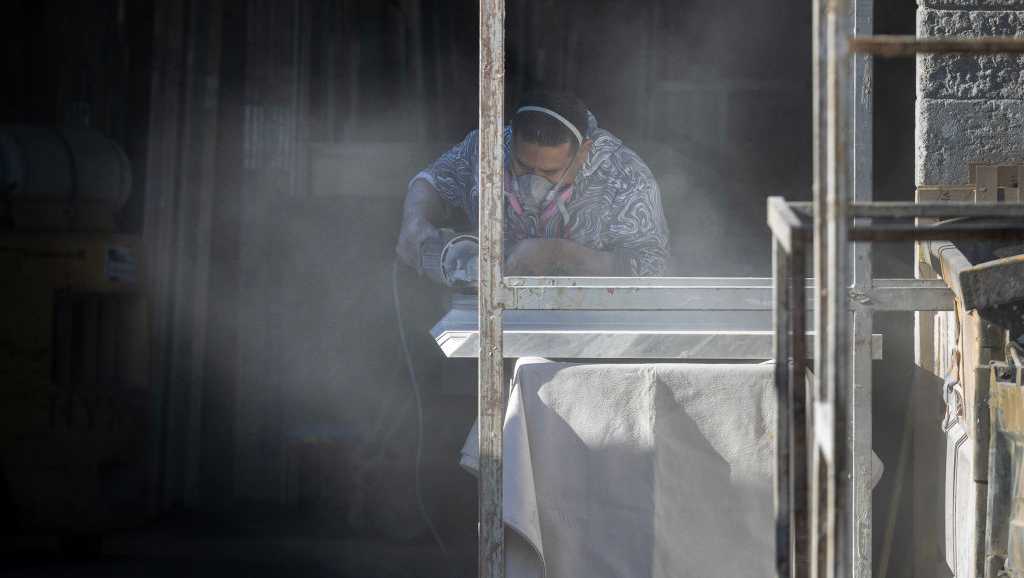
A recent study reveals hundreds of quartz countertop workers in California have developed...
FDA Assigns Highest-Risk Class I Status for Recall of Nearly 1.6 Million Cartons of Eggs
Pokémon GO Down for Tens of Thousands: Exploring the Impact of a Global Outage on the Beloved...

Netizen tidak senang dengan komentar-komentar yang diberikan

BTS mungkin kembali mengikuti Grammy setelah rekanan mereka, Recording Academy, mengumumkan revisi...
BTS mungkin tidak akan mengubah keputusan untuk mengabaikan Grammy karena deadline pengiriman musik...
Update terbaru tentang keputusan BTS untuk tidak mengirimkan musik mereka untuk dijadikan nominee...
Pihak Recording Academy mengumumkan akan kembali meninju keputusan untuk memperkenalkan kategori...

Sangyeop Sangyeop mengumumkan rencananya untuk menikah dengan seorang non-celebrity, mengejutkan...