



The Independence of the US Department of Justice: Todd Blanche's Uncertain Pledge
The Importance of an Independent US Department of Justice: Understanding Todd Blanche's Remarks
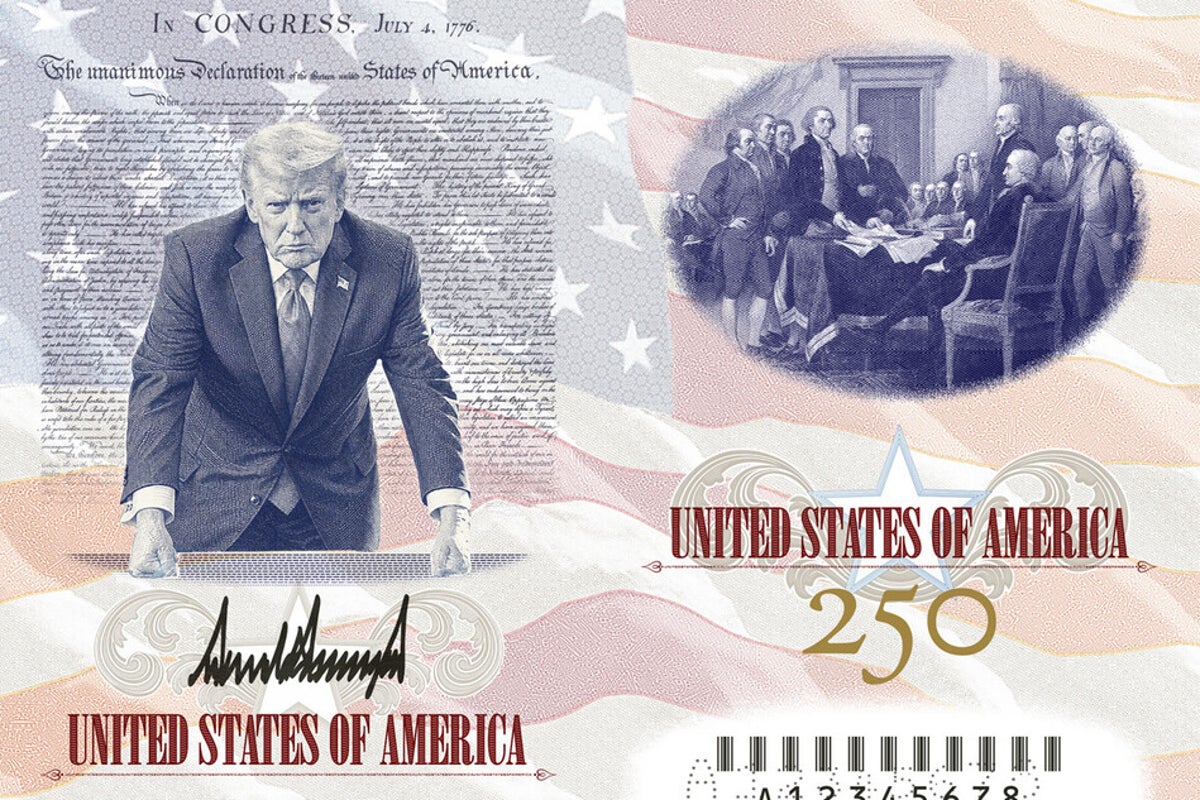
The introduction of Trump's US 'Patriot Passport' has sent shockwaves across the nation, with many questioning the rationale behind this new initiative. The passport, which is designed to 'show pride in one's country', has been met with both support and criticism from various quarters. While some see it as a way to promote patriotism and national pride, others view it as a thinly veiled attempt to further divide the nation along party lines. This dichotomy reflects the deep-seated divisions within American society, where differing perspectives and values often lead to heated debates and protests.
As part of a broader effort to rebrand the country's image, the Trump administration has been instrumental in shaping the US's diplomatic and economic strategies. The new passport design, with its bold 'USA' logo, is a reflection of this rebranding exercise, aimed at reinvigorating American nationalism. The move has left many wondering what other changes are in store, not only for passports but also for other aspects of American society. Critics argue that this renewed focus on nationalism will only exacerbate existing tensions, particularly in relation to issues such as immigration and foreign policy.
The Patriot Passport has also raised questions about what it means to be an American. For many, being an American is about embracing diversity, inclusivity, and the idea that anyone, regardless of their background, can contribute to the country's rich tapestry. However, for some, the new passport represents a return to a more isolationist and exclusionary form of nationalism. This paradox underlines the complexity of the issue and highlights the need for a more nuanced discussion about what it means to be an American in the 21st century.
Beyond the immediate controversy surrounding the Patriot Passport, there are implications for American diplomatic relations and foreign policy. The new passport's emphasis on 'patriotism' may lead to a hardening of diplomatic stances and increased tensions with countries perceived as hostile or rival nations. On the other hand, proponents argue that this renewed sense of national pride will bolster America's international reputation and strengthen its position on the global stage. As the world grapples with the rise of nationalism and increasing protectionism, Trump's US 'Patriot Passport' could have far-reaching implications for global stability and cooperation.
When considering the impact of the Patriot Passport on American society, it is essential to examine the demographic makeup of those who will be using these new passports. For instance, will it predominantly be a tool for older, conservative Americans who have traditionally supported the Republican Party, or will it be utilized by younger generations, who may have different perspectives on what it means to be an American? Understanding the potential user base and their corresponding attitudes will be crucial in gauging the ultimate effectiveness and reception of the Patriot Passport.
The introduction of the Patriot Passport marks a significant shift in how Americans perceive their national identity and what it means to be a citizen of the United States. While some praise the initiative for promoting patriotism and civic engagement, others see it as a thinly veiled attempt to further polarize the nation along party lines. As the issue continues to be debated, it remains to be seen whether this new passport design will ultimately contribute to a more unified and cohesive American society or merely reinforce existing divisions.
The Trump administration has introduced a new US passport, dubbed the 'Patriot Passport', which has sparked a mixed reaction from the public.



The Importance of an Independent US Department of Justice: Understanding Todd Blanche's Remarks
Donald Trump orders Pentagon to scale back joint military exercises with South Korea, citing his...
Representative Nancy Mace embarks on a new journey, unveiling her full sleeves of long-concealed...
The decision to cut back on military drills with South Korea has significant implications for...
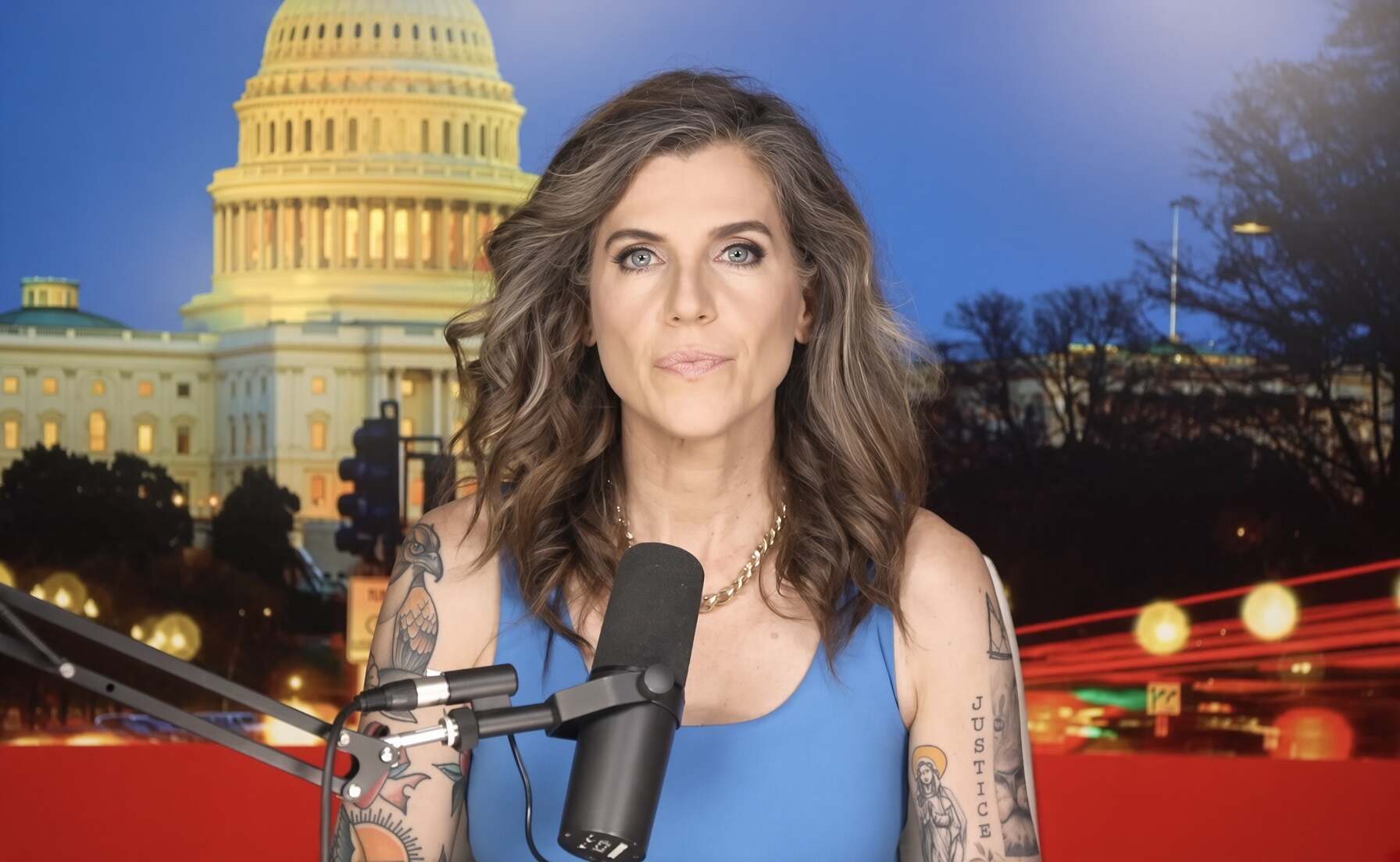
FITSNews reports on Nancy Mace's transition from outgoing congresswoman to online talk show host,...
Trump directs Hegseth to scale back joint military exercises with South Korea Politico

Netizen tidak senang dengan komentar-komentar yang diberikan

BTS mungkin kembali mengikuti Grammy setelah rekanan mereka, Recording Academy, mengumumkan revisi...
BTS mungkin tidak akan mengubah keputusan untuk mengabaikan Grammy karena deadline pengiriman musik...
Update terbaru tentang keputusan BTS untuk tidak mengirimkan musik mereka untuk dijadikan nominee...
Pihak Recording Academy mengumumkan akan kembali meninju keputusan untuk memperkenalkan kategori...

Sangyeop Sangyeop mengumumkan rencananya untuk menikah dengan seorang non-celebrity, mengejutkan...