



Pemerintah Kabupaten Aceh Tamiang: Bumi Muda Sedia Pulih dan Bangkit
Pemerintah Kabupaten Aceh Tamiang: Bumi Muda Sedia Pulih dan Bangkit — Informasi Terbaru
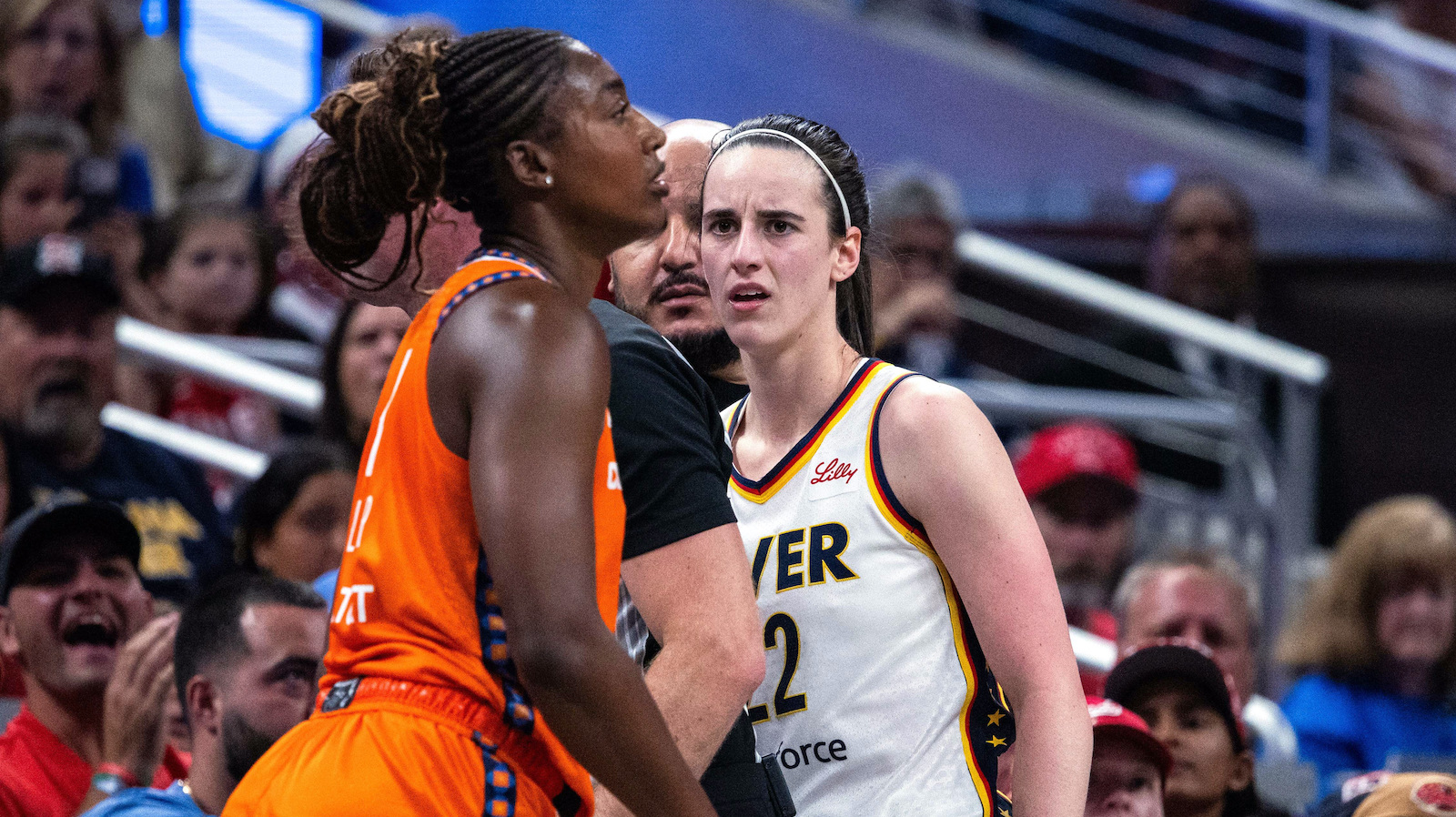
The recent article published by USA Today, which compared WNBA star Caitlin Clark to Emmett Till, is a disturbing example of the intersection of sports and racial tensions. The article, written by Nancy Armour, attempted to draw a parallel between Clark's perceived flopping and the long history of racial violence in this country. However, the analogy was met with fierce backlash, with many critics accusing Armour of being tone-deaf and insensitive.
At its core, the controversy surrounding Armour's article highlights the complex and deeply ingrained issues of racism and sexism that continue to plague our society. The fact that a respected sports publication like USA Today would publish such a tone-deaf piece is a stark reminder of the work that remains to be done in promoting greater understanding and empathy. As Armour herself noted in a subsequent apology statement, 'I obviously did not provide enough context for that [comparison],' which is a gross understatement.
The Emmett Till case, which took place in 1955, is one of the most infamous examples of racial violence in American history. Till, a 14-year-old African American boy, was brutally murdered by two white men in Money, Mississippi, after allegedly flirting with the wife of one of the men. The lynching was a horrific act of violence that shocked the nation and sparked widespread outrage. Yet, here we are, more than 60 years later, and the legacy of Emmett Till continues to be invoked in the service of shallow and misguided arguments.
Armour's comparison between Clark and Till was not only insensitive but also profoundly misguided. It is one thing to acknowledge the long history of racial violence in this country and another thing entirely to reduce it to a series of simplistic analogies. As the great civil rights leader Martin Luther King Jr. once said, 'The ultimate measure of a man is not where he stands in moments of comfort and convenience, but where he stands at times of challenge and controversy.'
The controversy surrounding Armour's article has also sparked a wider conversation about the way in which sports and media intersect. The fact that a respected sports publication like USA Today would publish such a tone-deaf piece raises important questions about the role of media in shaping our national conversation. As the media landscape continues to evolve, it is more important than ever that we hold ourselves to a higher standard of accountability and sensitivity.
Looking ahead, it is clear that the controversy surrounding Armour's article will have significant implications for the way in which we talk about sports and racial tensions. As the nation continues to grapple with the legacy of Emmett Till and the ongoing struggles of the African American community, it is imperative that we approach these conversations with greater sensitivity and compassion. By doing so, we can work towards a more just and equitable society for all.
Ultimately, the controversy surrounding Armour's article is a stark reminder of the work that remains to be done in promoting greater understanding and empathy. As we move forward, it is essential that we approach these conversations with a commitment to honesty, nuance, and compassion. By doing so, we can create a more just and equitable society for all.
USA Today's recent article comparing Caitlin Clark to Emmett Till has sparked widespread outrage and calls for accountability. But what does this debacle reveal about the state of our nation's discourse?
Pemerintah Kabupaten Aceh Tamiang: Bumi Muda Sedia Pulih dan Bangkit — Informasi Terbaru

Acara 600 ribu porsi kulinier gratis di Monas, menghidupkan semangat kebangsaan dan memperkuat rasa...

Hayden Panettiere, bintang televisi Amerika yang terkenal dengan perannya dalam serial 'Heroes' dan...

Jalan Merdeka Barat Dekat Istana Merdeka Jadi Parkir Liar Warga yang ke Monumen Nasional IDN Times

Kopassus Mengudara: Aksi Terjun Payung Terunggul di Istana Merdeka - Media Indonesia
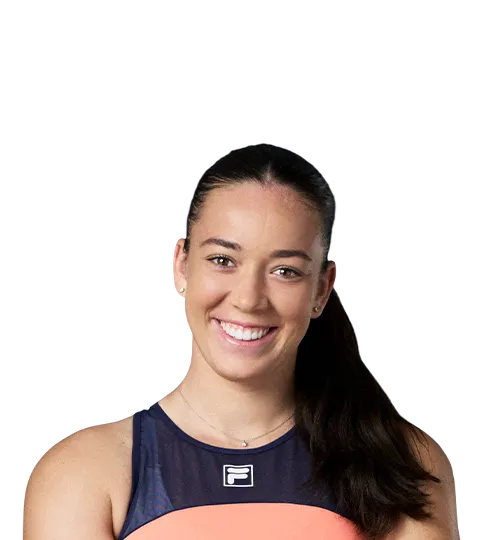
Elina Svitolina vs Tereza Valentova · Round 2 · Cincinnati Tennis.com - A nail-biting encounter...

Netizen tidak senang dengan komentar-komentar yang diberikan

BTS mungkin kembali mengikuti Grammy setelah rekanan mereka, Recording Academy, mengumumkan revisi...
BTS mungkin tidak akan mengubah keputusan untuk mengabaikan Grammy karena deadline pengiriman musik...
Update terbaru tentang keputusan BTS untuk tidak mengirimkan musik mereka untuk dijadikan nominee...
Pihak Recording Academy mengumumkan akan kembali meninju keputusan untuk memperkenalkan kategori...

Sangyeop Sangyeop mengumumkan rencananya untuk menikah dengan seorang non-celebrity, mengejutkan...