



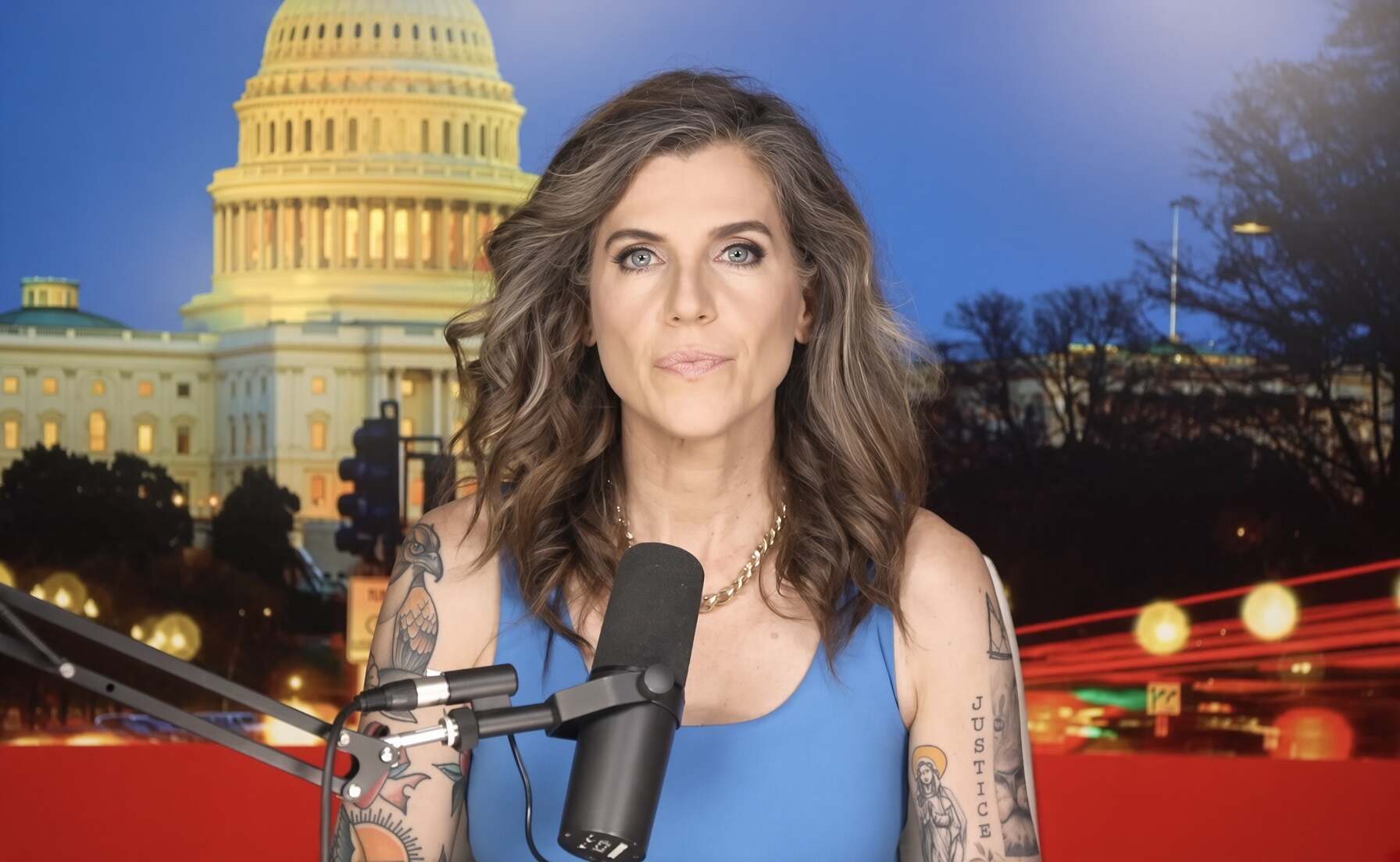
Nancy Mace: A Politician Takes the Fight to the People
FITSNews reports on Nancy Mace's transition from outgoing congresswoman to online talk show host,...
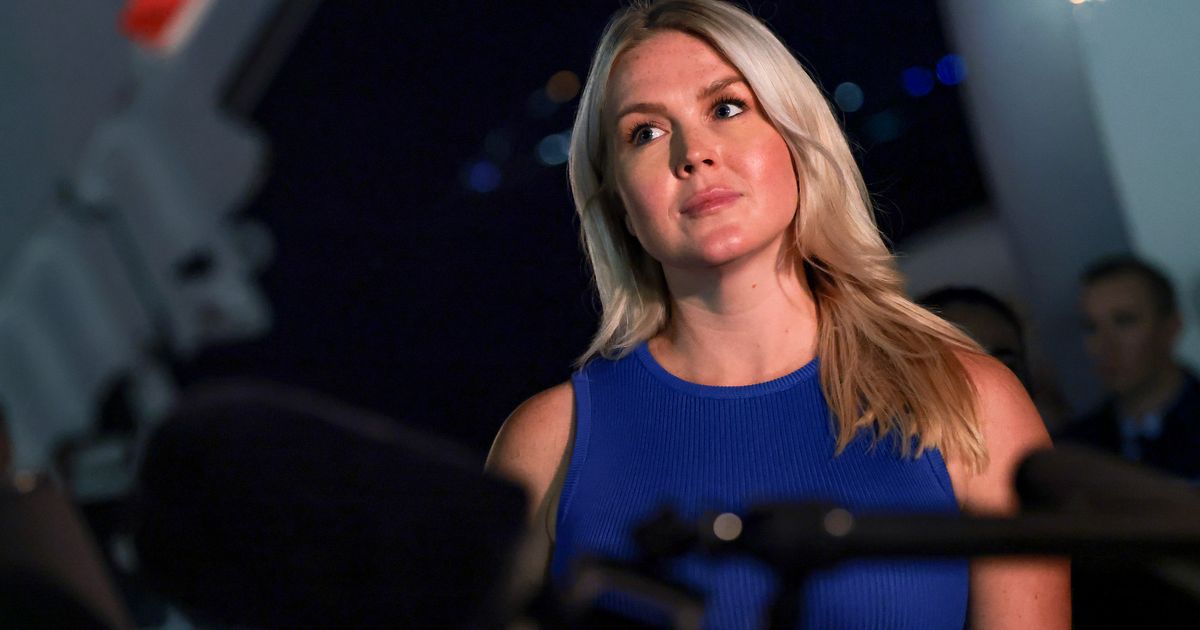
Karoline Leavitt, the youngest White House press secretary in U.S. history, announced her resignation on September 27, 2023, citing a desire to prioritize her family life. However, the real reason behind her departure is much more complex, and at its core is the toxic relationship she developed with Donald Trump.
In the months leading up to her resignation, Leavitt had been struggling to balance her demanding role as press secretary with her responsibilities as a new mother. Sources close to the administration have revealed that Trump's aggressive efforts to retain her services ultimately contributed to her decision to leave. Rather than letting her recharge during her maternity leave, Trump would frequently call her, repeatedly pressing her on when she would be returning to work.
'It was a very stressful job to do with her children,' one insider explained. 'She never got any sleep, and she didn't want her performance to slip either, so she decided to stay as long as she could and do the job well.' Another source added that Leavitt had been experiencing extreme 'burnout,' citing the pressure to constantly perform while navigating the challenges of parenting.
Critics argue that Trump's behavior is emblematic of a larger problem within the Trump administration – one that prioritizes loyalty and personal loyalty over the well-being of its employees. This mindset is particularly concerning when it comes to women in the workplace, where the pressure to balance work and family responsibilities can be overwhelming.
Leavitt's resignation has sparked heated debate about the impact of Trump's behavior on his staff, with many questioning how he can claim to 'totally understand and respect' the importance of parental leave when he so clearly disregarded it in her case.
Evidence suggests that Trump's actions were not in line with standard White House protocol, which emphasizes providing adequate support for mothers returning to work after maternity leave. In Leavitt's case, her situation was likely exacerbated by the intense scrutiny surrounding the Trump administration, which can be a significant source of stress for employees.
Despite the controversy surrounding her resignation, Leavitt has been praised by many for her tireless dedication to her job, which required her to work long hours while on maternity leave. Her commitment to her role has earned her a place in history as one of the youngest and most accomplished White House press secretaries to date.
The consequences of Trump's overbearing behavior have yet to be fully determined, but they are likely to have a lasting impact on the administration's morale. In the long term, this could undermine the administration's ability to effectively communicate with the public, further eroding its already tenuous grip on public support.
The future of the White House press office remains uncertain, but one thing is clear: Karoline Leavitt's story serves as a stark reminder of the importance of prioritizing employee well-being within the administration.
Karoline Leavitt's decision to leave her role as White House press secretary has sent shockwaves throughout the Trump administration, and at the heart of it all is Donald Trump's relentless calls to her while on maternity leave.
FITSNews reports on Nancy Mace's transition from outgoing congresswoman to online talk show host,...

President Trump's recent order for the Pentagon to curtail military exercises with South Korea has...
President Donald Trump Orders Pentagon to Scale Back Joint Exercises with South Korea as Part of...
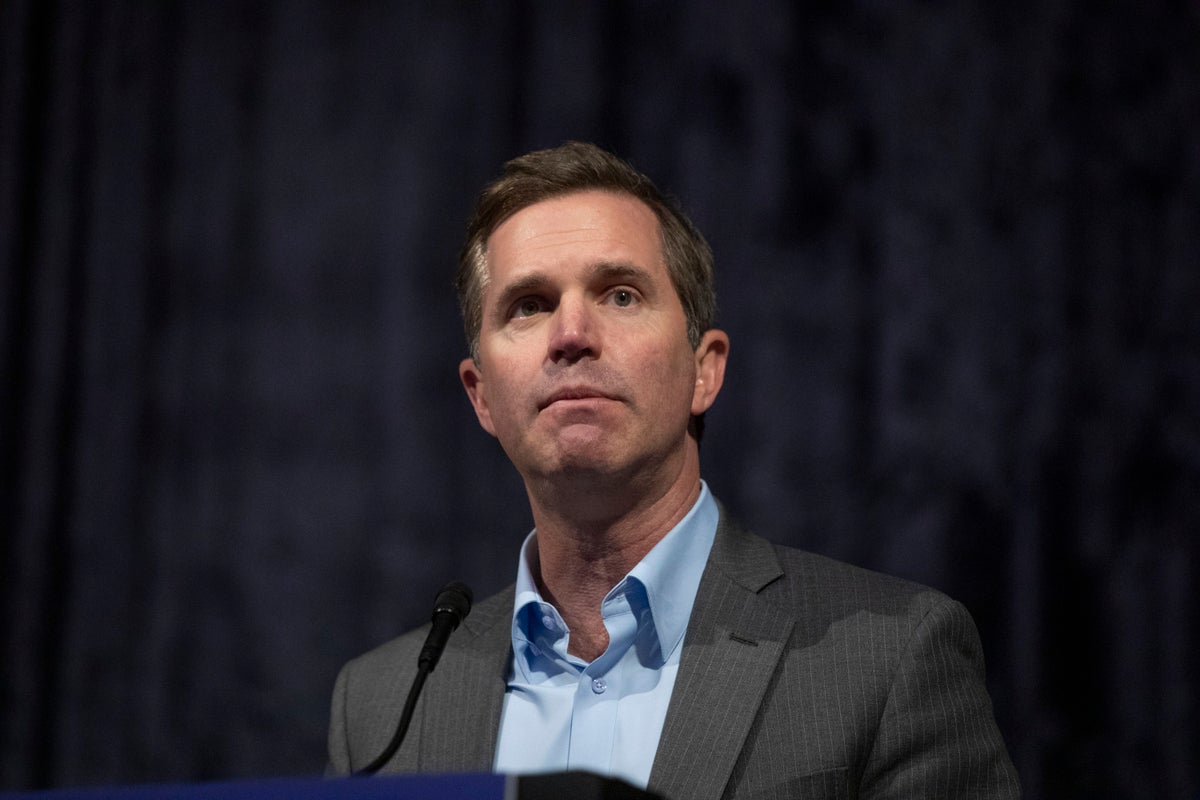
Kentucky governor Andy Beshear criticizes McConnell's lack of transparency about his health
Kentucky Governor Andy Beshear has spoken out about the lack of communication from Senator Mitch...
Kentucky Gov. Andy Beshear shares his thoughts on Sen. Mitch McConnell's recent refusal to make a...

Netizen tidak senang dengan komentar-komentar yang diberikan

BTS mungkin kembali mengikuti Grammy setelah rekanan mereka, Recording Academy, mengumumkan revisi...
BTS mungkin tidak akan mengubah keputusan untuk mengabaikan Grammy karena deadline pengiriman musik...
Update terbaru tentang keputusan BTS untuk tidak mengirimkan musik mereka untuk dijadikan nominee...
Pihak Recording Academy mengumumkan akan kembali meninju keputusan untuk memperkenalkan kategori...

Sangyeop Sangyeop mengumumkan rencananya untuk menikah dengan seorang non-celebrity, mengejutkan...