



Lindsay Clancy's Trial Sheds Light on the Hidden Dangers of Postpartum Psychosis
Lindsay Clancy's trial raises crucial questions about postpartum psychosis, a little-understood...

Cases of diarrhea caused by the parasite cyclospora have been steadily increasing in the US, with the Centers for Disease Control and Prevention (CDC) reporting over 7,000 confirmed cases in 34 states since May 1. The outbreak has been linked to four states: Michigan, Ohio, West Virginia, and Kentucky, with more cases expected to be reported.
The CDC is still investigating the source of the outbreak, but Michigan health officials have suggested that lettuce or salad greens may be the culprit. This is not the first time that cyclospora has been linked to outbreaks in the US, with previous incidents involving bagged lettuce products and kits. In fact, bagged salad mixes and kits have been specifically linked to previous cyclospora outbreaks in the United States and Canada.
While the exact source of the outbreak is still unknown, health officials are emphasizing the importance of practicing standard safety practices when washing food. Dr. Nuwan Gunawardhana, a hospital epidemiologist and physician who specializes in infectious diseases at Columbia University Irving Medical Center, notes that cyclospora is a very interesting organism that is historically linked to foodborne outbreaks. 'It's not really considered contagious from person to person,' he explains. 'When we're talking about foodborne outbreaks with cyclospora, it's a very hardy organism, and so it has the ability to adhere to the surfaces very, very well with our fresh produce and fruit.'
Cyclosporiasis is the intestinal illness caused by the microscopic parasite cyclospora, and symptoms typically develop about two days to two weeks after exposure. These symptoms include prolonged watery diarrhea, stomach cramps, nausea, fatigue, loss of appetite, and weight loss. If left untreated, the illness can last weeks and may lead to dehydration. About 1 in every 11 cases has been hospitalized, according to data reported to CDC, but no deaths have been reported.
Health experts caution that washing fruits and vegetables can reduce the risk of foodborne illnesses but cannot guarantee complete removal of cyclospora, particularly from leafy greens, herbs, and delicate berries. Dr. Dan Barouch, director of the Center for Virology and Vaccine Research at Beth Israel Deaconess Medical Center, notes that there's no reason for panic, but 'those most at risk are young children, elderly individuals, and immunosuppressed people.' In most other healthy people, disease is often mild, but it's essential to take precautions, especially for those at higher risk.
For now, Michigan health officials recommend purchasing whole head lettuce, discarding the outer two to three layers of the leaves, and thoroughly washing the remaining inner leaves before using. Peeling fruits and vegetables is also a good option as it helps get rid of the contaminated surfaces. Proper washing is crucial to reduce the risk of foodborne illnesses, but it's essential to use the correct methods. Dr. Gwen Biggerstaff, CDC's deputy director of CDC's Division of Foodborne, Waterborne, and Environmental Diseases, advises to follow standard food safety practices and stay aware of food safety alerts and investigation updates.
It's also crucial to prioritize cooking foods to reduce the risk of getting sick. Cooking food to an internal temperature of 158 degrees Fahrenheit or higher kills cyclospora, making cooked vegetables a lower-risk option than raw produce. Dr. Gunawardhana emphasizes the importance of thoroughly cooking foods to prevent getting sick from this particular organism. Food safety experts also emphasize preventing cross-contamination in the kitchen, keeping unwashed produce separate from ready-to-eat foods and raw meat, poultry or seafood.
While the outbreak continues, experts recommend avoiding bagged lettuce products and bagged salad products for now. If these products are desired, it's recommended to rewash them at home, even if they come prewashed. It's also essential to avoid fruits and vegetables that may be bruised, damaged, or moldy. As the investigation continues, health officials will provide further guidance on safe food practices, and experts recommend staying informed through official channels.
A growing outbreak of diarrhea caused by the cyclospora parasite has affected numerous states in the US, with health officials urging people to be cautious when consuming certain foods.
Lindsay Clancy's trial raises crucial questions about postpartum psychosis, a little-understood...
The high-profile trial of Lindsay Clancy, who is accused of murdering her three children,...
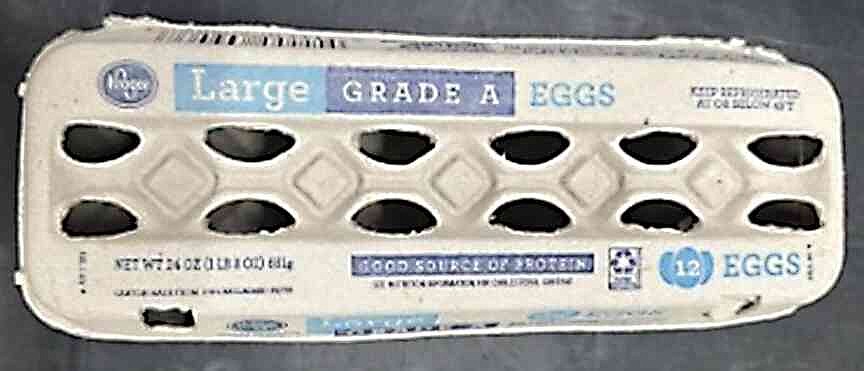
A Serious Warning from the FDA: Texas-Sold Eggs May Contain Salmonella

A recent medical emergency has left Earth, Wind & Fire drummer John Paris in a critical condition,...

Earth, Wind and Fire drummer John Paris' cardiac incident highlights the importance of artist...

The FDA has elevated the recent egg recall to its highest level due to a significant Salmonella...

Netizen tidak senang dengan komentar-komentar yang diberikan

BTS mungkin kembali mengikuti Grammy setelah rekanan mereka, Recording Academy, mengumumkan revisi...
BTS mungkin tidak akan mengubah keputusan untuk mengabaikan Grammy karena deadline pengiriman musik...
Update terbaru tentang keputusan BTS untuk tidak mengirimkan musik mereka untuk dijadikan nominee...
Pihak Recording Academy mengumumkan akan kembali meninju keputusan untuk memperkenalkan kategori...

Sangyeop Sangyeop mengumumkan rencananya untuk menikah dengan seorang non-celebrity, mengejutkan...