





India Tour of Sri Lanka 2026: Expert Commentary and Analysis of the 1st Test
The India tour of Sri Lanka 2026 is one of the most highly anticipated cricket events of the year,...

For weeks, Delhi has been battling a severe heatwave, with temperatures consistently reaching above 40C. But how hot does it feel when you step out onto the streets? To understand this, we spent the day in the city with a thermal camera to record surface temperatures.
On Tuesday, the Indian Meteorological Department (IMD) recorded the maximum day temperature at 43.5C in the capital. However, our thermal camera readings revealed surface temperatures of up to 64C in certain areas.
The comparison is not straightforward. The IMD's official data reflects the temperature of the city air measured under standard conditions, while thermal cameras record the temperature of surfaces. During hot days, roads, concrete, vehicles, and other exposed surfaces can become significantly hotter than the surrounding air, increasing heat absorption by the human body and making urban areas feel considerably hotter than the official temperature.
We started at the IIT flyover in south Delhi, one of the city's busiest traffic junctions. Hundreds of thousands of vehicles pass through this crossing daily, and during peak traffic, wait times can sometimes stretch up to 10 minutes.
As researcher Nibedita Saha moved her camera from the shaded areas under the flyover to the bikers waiting at stop signals in direct sunlight, the reading increased to 64C. The surface temperature of the spot where we stood was 61C, while it dropped to 39.8C when we moved less than 10ft away to stand under a tree.
'Consistent exposure to such high temperatures can cause major health issues,' says Nibedita, emphasizing the importance of seeking shade.
We met street vendors in Chandni Chowk who set up shops despite the unrelenting heat. The thermal camera recorded temperatures of up to 57C on their faces and surrounding surfaces.
A couple of minutes' walk from these stalls is Chandni Chowk, a maze of narrow alleyways and side streets filled with shops and food stalls. The main boulevard was developed as a pedestrian zone, but it lacks shade, making it unpopular with visitors.
We visited Sundar Nagri, a lower middle-class neighborhood in east Delhi, to speak with siblings Abhishek and Kajal, who document the heat's impact on their lives. The thermal camera recorded temperatures as high as 51.6C on a concrete bench outdoors.
'This week's heat has changed our daily routines,' Abhishek wrote in his heat register. 'Everyone returns home late, and no-one sleeps well.' They've adjusted their routine to cope with the extreme heat.
Prolonged exposure to high temperatures can lead to heat exhaustion, headaches, fatigue, and even organ failure in severe cases. To stay safe, experts recommend staying hydrated, wearing loose, light-colored clothing, and seeking shade.
With the heat continuing to affect Delhi residents, it's essential to acknowledge the hidden heat that makes the city feel even hotter than its official temperature. By understanding the factors contributing to the heat, we can take steps to mitigate its effects.
Delhi is experiencing a severe heatwave with temperatures soaring above 40C. The heat feels even hotter due to the high surface temperatures recorded by thermal cameras. Find out how this affects the city's residents and the potential health risks.
The India tour of Sri Lanka 2026 is one of the most highly anticipated cricket events of the year,...

San Antonio is experiencing hot weather, and KSAT provides an updated look at the tropics,...
Get ready for a drastic weather shift in Indianapolis as rain ends later today, giving way to...
Flooding affects Indianapolis today but heat is forecasted to return this weekend, according to Fox...
Flooding today, heat returns this weekend: Expert analysis and updates on the latest weather...
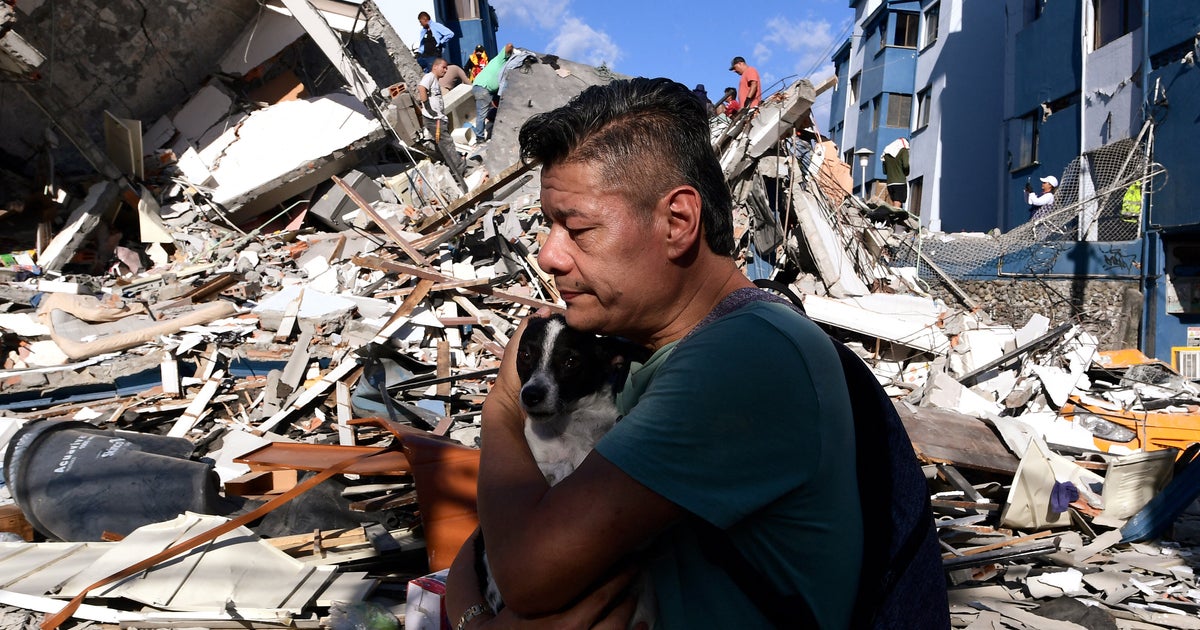
Geologists shed light on the recent increase in earthquake activity, its implications, and what the...

Netizen tidak senang dengan komentar-komentar yang diberikan

BTS mungkin kembali mengikuti Grammy setelah rekanan mereka, Recording Academy, mengumumkan revisi...
BTS mungkin tidak akan mengubah keputusan untuk mengabaikan Grammy karena deadline pengiriman musik...
Update terbaru tentang keputusan BTS untuk tidak mengirimkan musik mereka untuk dijadikan nominee...
Pihak Recording Academy mengumumkan akan kembali meninju keputusan untuk memperkenalkan kategori...

Sangyeop Sangyeop mengumumkan rencananya untuk menikah dengan seorang non-celebrity, mengejutkan...