




Von Miller Signs with Dallas Cowboys for a Record 16th NFL Season: A New Chapter for the Star Pass Rusher
Dallas Cowboys Sign Von Miller: The Legendary Defensive End Embarks on a New Journey with the...
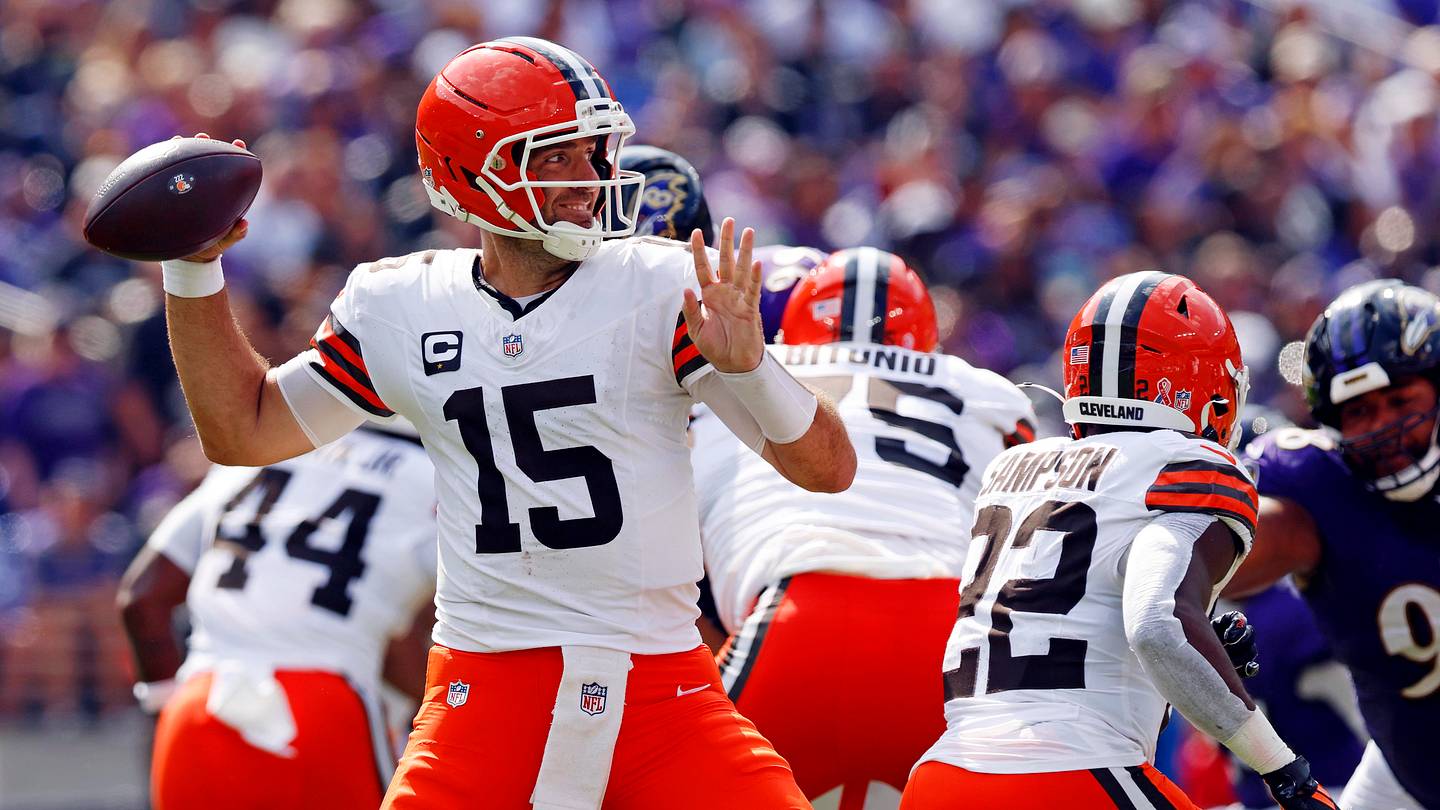
Joe Flacco, the illustrious Super Bowl-winning quarterback, has had his share of memorable moments on the field, but one of the most amusing anecdotes about him comes from an unlikely source: his son, Frank. In a candid episode of the Netflix series Quarterback, which delves into the personal and professional lives of several quarterbacks including Flacco, Cam Ward, Jayden Daniels, and Baker Mayfield, Frank shares a humorous tale of how he once benched his father in fantasy football. This story not only highlights the competitive nature of fantasy sports but also showcases the grounded and realistic perspective of Flacco's family. When asked about this decision, Frank humorously remarks that if his dad were to have an exceptional game, it would negatively impact his fantasy team, demonstrating a pragmatic approach that prioritizes winning over family loyalty in the context of fantasy sports.
The backdrop of this story is set during the 2025-26 NFL season, with the specific incident occurring during the Browns' Week 2 matchup against the Ravens. This was a significant game for Flacco as it marked his first return to Baltimore since his departure from the franchise with which he won Super Bowl XLVII. The emotional aspect of this homecoming could have potentially influenced fantasy decisions, but Frank's rational approach led him to make the tough choice of benching his father. His mother, Dana, also a fantasy football player, had similarly benched Flacco, underscoring that even within his family, Flacco's football prowess is subject to objective analysis rather than sentimental bias. This anecdote provides insight into the dynamic of Flacco's family and their engagement with the sport, showing that even personal relationships can take a backseat to strategic decision-making in fantasy football.
The decision to bench Flacco turned out to be a wise one, given his performance in that game. Completing 25 out of 45 passes for 199 yards, with one touchdown and one interception, Flacco's stats were not impressive, especially considering the Browns' significant loss to the Ravens with a score of 41-17. This game ranked Flacco 27th among quarterbacks in fantasy points for that week, with only a few other quarterbacks scoring lower, albeit some of them were affected by injuries. This outcome underscores the challenges that Flacco faced during his tenure with the Browns, including a struggling offensive line and a limited receiving corps, factors that would naturally impact his fantasy value. The contrast between Flacco's real-life football achievements and his fantasy football performance highlights the complexities and unpredictabilities of both the sport and the fantasy sports world.
In another week, Flacco's performance would have been a boon for fantasy owners. For instance, after being traded to the Bengals, he had a notable game where he threw for 342 yards, three touchdowns, and no interceptions, earning him the sixth-most points among quarterbacks for that week. This variability in performance is a reminder of the dynamic nature of the NFL and the importance of staying informed and adaptable in fantasy sports. Flacco's family, if they were savvy and kept up with his performances, could have capitalized on his better weeks, such as Week 9, where he threw for 470 yards, four touchdowns, and two picks, resulting in 32.7 fantasy points, one of his highest-scoring games of the season. This level of engagement and strategic thinking is reflective of the dedication and knowledge required to succeed in fantasy football.
The narrative of Joe Flacco and his family's experience with fantasy football serves as a fascinating case study of how the NFL intersects with personal and family life. It humanizes figures like Flacco, showing that even at the pinnacle of professional sports, family dynamics and personal interests play a significant role. The story also touches on the themes of loyalty, strategy, and the pursuit of victory, whether on the field or in the virtual realm of fantasy sports. As the NFL and fantasy football continue to evolve, anecdotes like these remind us of the rich tapestry of stories and personalities that underpin these phenomena. They encourage a deeper exploration of the sport, its players, and the fans who follow them, highlighting the intricate connections between professional athletes, their families, and the broader sports community.
Looking ahead, the intersection of technology, sports analytics, and personal engagement will likely continue to reshape the fantasy sports landscape. As more data and advanced analytics become available, fantasy players will have even more tools at their disposal to make informed decisions. This could lead to a more competitive and sophisticated environment, where the lines between fan engagement, strategic decision-making, and personal connection to the sport and its players become increasingly blurred. For figures like Joe Flacco and his family, being part of this narrative not only reflects their involvement in the sport but also contributes to the broader cultural and societal discourse around sports, family, and community.
Eva Geitheim, an NFL writer for Sports Illustrated, brings a nuanced perspective to stories like Flacco's, highlighting the human side of athletes and the complexities of their personal and professional lives. Her background in communications and her experience writing for various publications underscore the importance of storytelling in sports journalism. By delving into the personal anecdotes and professional trajectories of athletes, writers like Geitheim provide readers with a more comprehensive understanding of the sports world, one that extends beyond the field and into the lives and experiences of those who make the sport what it is.
The realm of fantasy sports, with its millions of participants and intricate web of teams, players, and statistics, represents a significant aspect of modern sports culture. It reflects our desires for engagement, competition, and community, offering a platform where individuals can express their fandom, showcase their knowledge, and connect with others who share similar interests. As the NFL and other sports leagues continue to navigate the evolving landscape of fan engagement and fantasy sports, stories like Joe Flacco's son benching him serve as a reminder of the power of sports to bring people together, challenge our assumptions, and inspire new levels of passion and dedication.
In conclusion, the tale of Joe Flacco's son benching him in fantasy football is more than just an amusing anecdote; it is a window into the complex, multifaceted world of professional sports and fantasy sports. It reflects the strategic thinking, personal connections, and competitive spirit that define these realms, while also humanizing the figures at the center of these stories. As we look to the future of sports and fantasy sports, it's clear that stories like these will continue to captivate audiences, inspire new generations of fans, and remind us of the enduring appeal and significance of sports in our lives.
A revealing moment from the Netflix series Quarterback showcases the lighter side of NFL quarterback Joe Flacco's life, particularly when his son made the strategic decision to bench him in fantasy football, proving that family ties don't always influence fantasy team decisions
Dallas Cowboys Sign Von Miller: The Legendary Defensive End Embarks on a New Journey with the...
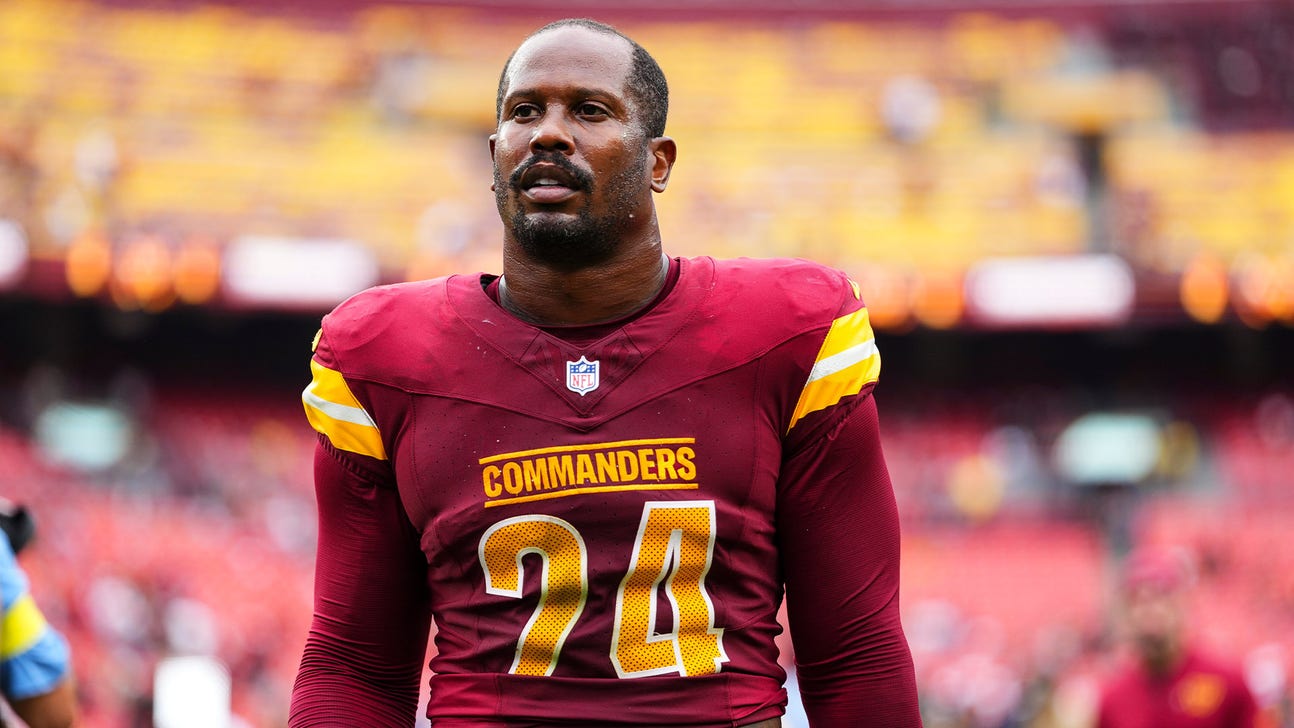
A Defensive Powerhouse: Cowboys Land Von Miller in a Major Boost to their Pass Rush FOX Sports
The highly anticipated move of Von Miller to the Dallas Cowboys has been making headlines, with...
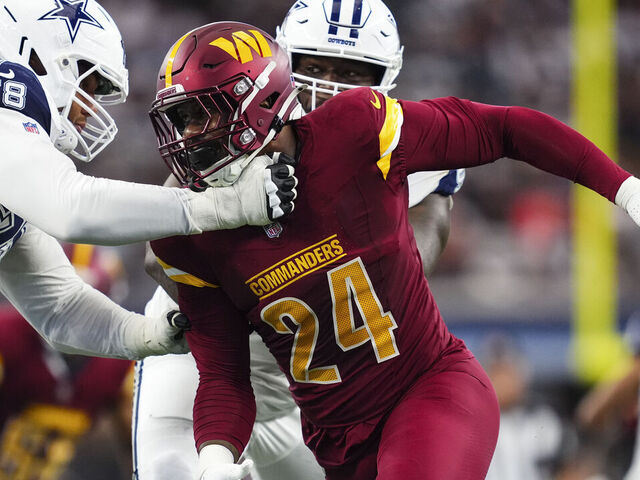
Breaking News: Von Miller expected to join Cowboys - get the latest updates on the star...
Camden Brown Shines in Preseason, Makes Strong Case for Dallas Cowboys Roster - El Paso Times

Rams Stock Up, Stock Down: Ty Simpson Shines in Win Over Chiefs Sports Illustrated

Netizen tidak senang dengan komentar-komentar yang diberikan

BTS mungkin kembali mengikuti Grammy setelah rekanan mereka, Recording Academy, mengumumkan revisi...
BTS mungkin tidak akan mengubah keputusan untuk mengabaikan Grammy karena deadline pengiriman musik...
Update terbaru tentang keputusan BTS untuk tidak mengirimkan musik mereka untuk dijadikan nominee...
Pihak Recording Academy mengumumkan akan kembali meninju keputusan untuk memperkenalkan kategori...

Sangyeop Sangyeop mengumumkan rencananya untuk menikah dengan seorang non-celebrity, mengejutkan...