



Lindsay Clancy's Trial Sheds Light on the Hidden Dangers of Postpartum Psychosis
Lindsay Clancy's trial raises crucial questions about postpartum psychosis, a little-understood...
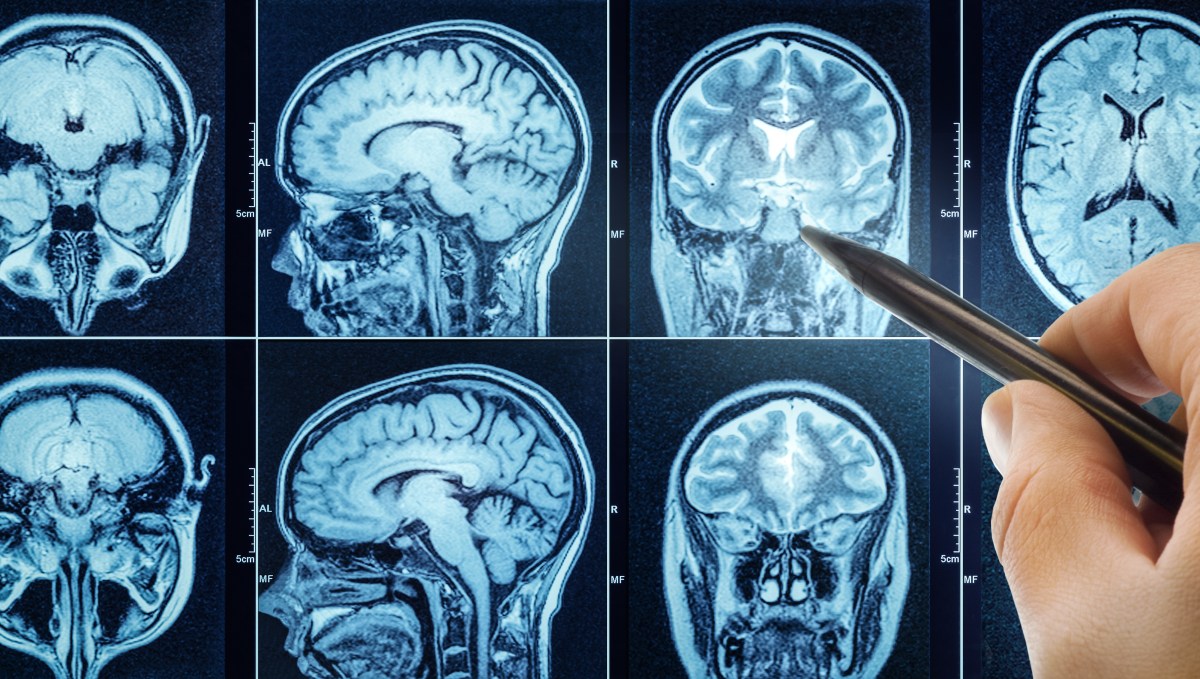
Nearly half of all dementia cases may be tied to modifiable risk factors, according to a groundbreaking new study from Lund University in Sweden. This study highlights the critical importance of addressing common health risks, including smoking, high blood pressure, heart disease, and elevated blood lipids, which are strongly associated with brain damage characteristic of vascular dementia.
The study's findings suggest that managing these factors could help delay multiple forms of brain deterioration simultaneously, even in individuals exhibiting no initial signs of cognitive decline. This is a significant departure from previous research, which often failed to account for the distinct underlying pathologies of dementia. By focusing on vascular and metabolic risk factors, researchers may be able to reduce the combined effects of several brain changes that occur simultaneously.
One of the most critical aspects of this study is its prospective design, which tracked nearly 500 participants with an average age of 65 over a four-year period. None of the participants showed signs of cognitive impairment at the start of the study, making the findings all the more compelling. Researchers monitored changes in the brain's white matter, the nerve fibers frequently impacted in vascular dementia, alongside levels of amyloid beta and tau, two proteins closely linked to Alzheimer's disease.
Most of the modifiable risks examined were directly tied to blood vessel damage and a faster accumulation of white matter alterations. Researchers also observed potential links between specific risk factors and Alzheimer's-related proteins: diabetes was associated with accelerated amyloid beta buildup, while a lower body mass index correlated with quicker accumulation of tau. While these findings require further validation, they emphasize the importance of addressing lifestyle risks in mitigating multiple types of brain damage concurrently.
Sebastian Palmqvist, senior lecturer in neurology at Lund University and lead author of the study, noted that previous research often failed to account for the distinct underlying pathologies of dementia. By focusing on vascular and metabolic risk factors, researchers may be able to reduce the combined effects of several brain changes that occur simultaneously. "This means that we have had limited knowledge of how individual risk factors affect the underlying disease mechanisms in the brain," Palmqvist said in a statement.
While fixed factors like age, gender, and genetics remain primary contributors to dementia risk, the study adds to a growing body of evidence indicating that lifestyle choices, including smoking, physical inactivity, alcohol consumption, hearing loss, and cardiovascular health, exert a measurable influence on long-term brain health before symptoms emerge. Joanna LaFleur, a dementia care expert, underscored the practical implications of the research: "This study is another reminder that while we can't change our age or our genetics, we can influence many of the things that affect brain health. That's empowering, not because it guarantees we won't develop dementia, but because it reminds us, we are not completely powerless."
LaFleur continued: "What I really appreciate about this research is that it highlights something we've been talking about in dementia education for years; your heart and your brain are on the same team. High blood pressure, smoking, high cholesterol, and cardiovascular disease don't just affect your heart. They affect the tiny blood vessels that keep your brain healthy too." The researchers concluded that prioritizing vascular and metabolic health offers a tangible pathway for prevention efforts, potentially blunting multiple forms of brain damage before they progress into clinical dementia.
As the world grapples with the rising tide of dementia, this study offers a beacon of hope. By focusing on modifiable risk factors and encouraging lifestyle changes, we may be able to delay or even prevent this devastating condition. As Palmqvist noted, "Focusing on vascular and metabolic risk factors can still help reduce the combined effects of several brain changes that occur simultaneously." This is a message that resonates deeply, especially for those living with dementia or caring for loved ones affected by the condition.
While more research is needed to fully understand the links between common health risks and dementia, this study provides a critical foundation for future investigation. By prioritizing vascular and metabolic health, we may be able to reduce the risk of dementia and improve overall brain health. This is a goal that deserves our collective attention and commitment.
The link between common health risks and dementia is a pressing concern for millions worldwide. A recent study sheds new light on the role of modifiable risk factors in accelerating dementia, with potentially life-changing implications for prevention and management.
Lindsay Clancy's trial raises crucial questions about postpartum psychosis, a little-understood...
The high-profile trial of Lindsay Clancy, who is accused of murdering her three children,...

A recent medical emergency has left Earth, Wind & Fire drummer John Paris in a critical condition,...

Earth, Wind and Fire drummer John Paris' cardiac incident highlights the importance of artist...

A Rare Moment of Joy: Bruce Willis Makes a Triumphant Return to the Public Eye at Daughter...

Bruce Willis Makes Rare Appearance at Daughter Tallulah's Wedding Amid Dementia Battle

Netizen tidak senang dengan komentar-komentar yang diberikan

BTS mungkin kembali mengikuti Grammy setelah rekanan mereka, Recording Academy, mengumumkan revisi...
BTS mungkin tidak akan mengubah keputusan untuk mengabaikan Grammy karena deadline pengiriman musik...
Update terbaru tentang keputusan BTS untuk tidak mengirimkan musik mereka untuk dijadikan nominee...
Pihak Recording Academy mengumumkan akan kembali meninju keputusan untuk memperkenalkan kategori...

Sangyeop Sangyeop mengumumkan rencananya untuk menikah dengan seorang non-celebrity, mengejutkan...