

Understanding Flock Cameras: A Comprehensive Guide to Vehicle Surveillance
Learn how to check if your car has been searched by Flock cameras and understand the implications...
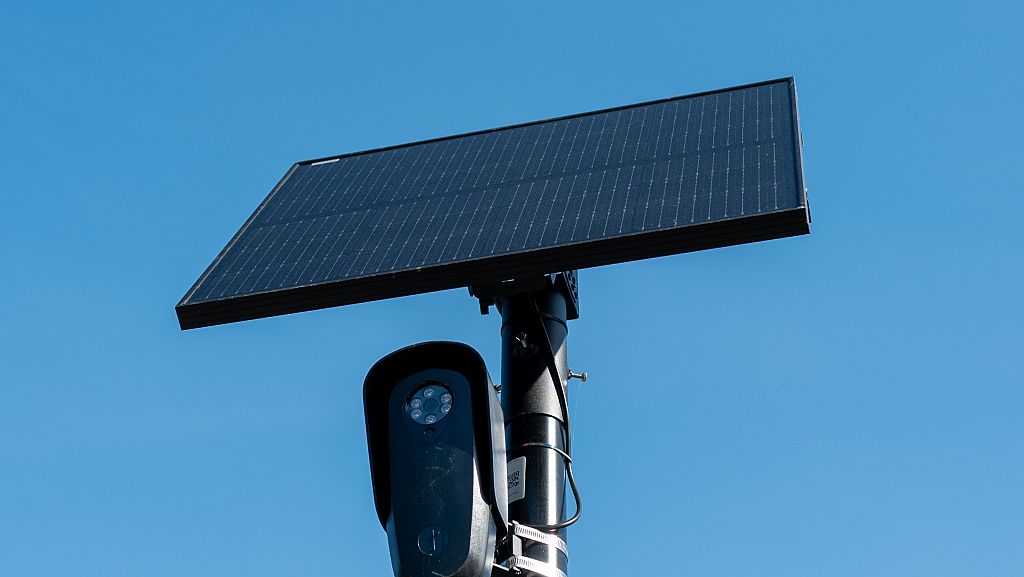
The Flock Safety surveillance camera system has been rapidly expanding across the United States, with over 120,000 automated license plate reader (ALPR) and pan, tilt, and zoom (PTZ) cameras installed throughout the country. This network of cameras records and analyzes vast amounts of data, including vehicle movements and license plate information, creating a nationwide grid of recorded activity. While Flock claims its cameras are a valuable tool for crime-fighting, with some law enforcement agencies using them to track vehicles involved in investigations, many individuals and communities are voicing concerns about the potential invasion of privacy and the ethics of mass surveillance.
The company's ALPR systems can automatically scan license plates, while PTZ cameras record live footage that can be reviewed and analyzed. This data is then stored and made searchable through Flock's platform, allowing police officers to access and review footage from cameras across the country. However, critics argue that this system creates a complex web of surveillance that can be used to track individuals without their consent or knowledge. They also point out that Flock's cameras are not foolproof, as demonstrated by a recent incident in which a journalist's test-driving vehicle was mistakenly identified as stolen due to a faulty license plate reading.
The Electronic Frontier Foundation, a digital rights organization, has expressed concerns about the impact of Flock cameras on personal privacy and freedom of movement. According to Dave Maass, director of investigations at the EFF, many people view their cars as an extension of their homes, and the idea of constant surveillance can be unsettling. 'Once people start learning about the massive scale of the data that's being collected and who it's being accessed by, it starts to freak them out,' Maass said.
Flock's CEO, Garrett Langley, has responded to criticism by asserting that it is possible for society to balance safety and privacy. However, critics argue that Flock's business model is fundamentally at odds with this goal. By creating a nationwide database of vehicle movements and license plate information, Flock is essentially building a surveillance state, one that can be easily exploited by law enforcement or other authorities.
Furthermore, Flock's technology has raised questions about racial bias and profiling. According to a report by 404 Media, the company's FreeForm capability allows users to search camera records based on specific attributes, including race, ethnicity, and clothing. While Flock claims to have implemented 'guardrails' to prevent users from searching for these attributes, critics argue that this is not enough to prevent racial profiling or other forms of bias.
The use of Flock cameras has also been criticized for its potential impact on immigration and border control. While Flock denies sharing data with agencies like U.S. Immigration and Customs Enforcement, police officers have reportedly used the system to aid in immigration sweeps. This raises concerns about the potential for Flock's cameras to be used as a tool for discriminatory policing or profiling.
In response to growing opposition, several cities have deactivated Flock cameras or canceled contracts with the company. Fort Collins, Colorado; Eugene, Oregon; Madison, Wisconsin; Knoxville, Tennessee; Syracuse, New York; and Walla Walla, Washington have all taken steps to limit or eliminate Flock's presence in their communities. However, the company remains a dominant player in the security industry, and its cameras continue to be used by law enforcement agencies across the country.
Flock cameras have become a contentious issue as their use grows, raising concerns about surveillance and privacy.

Learn how to check if your car has been searched by Flock cameras and understand the implications...
Investigation into Nancy Guthrie's Disappearance: Attorney General Todd Blanche's Perspective on...
Michigan Community Mourns After String of Shootings Leaves 6 Dead, Including Suspect, with One...
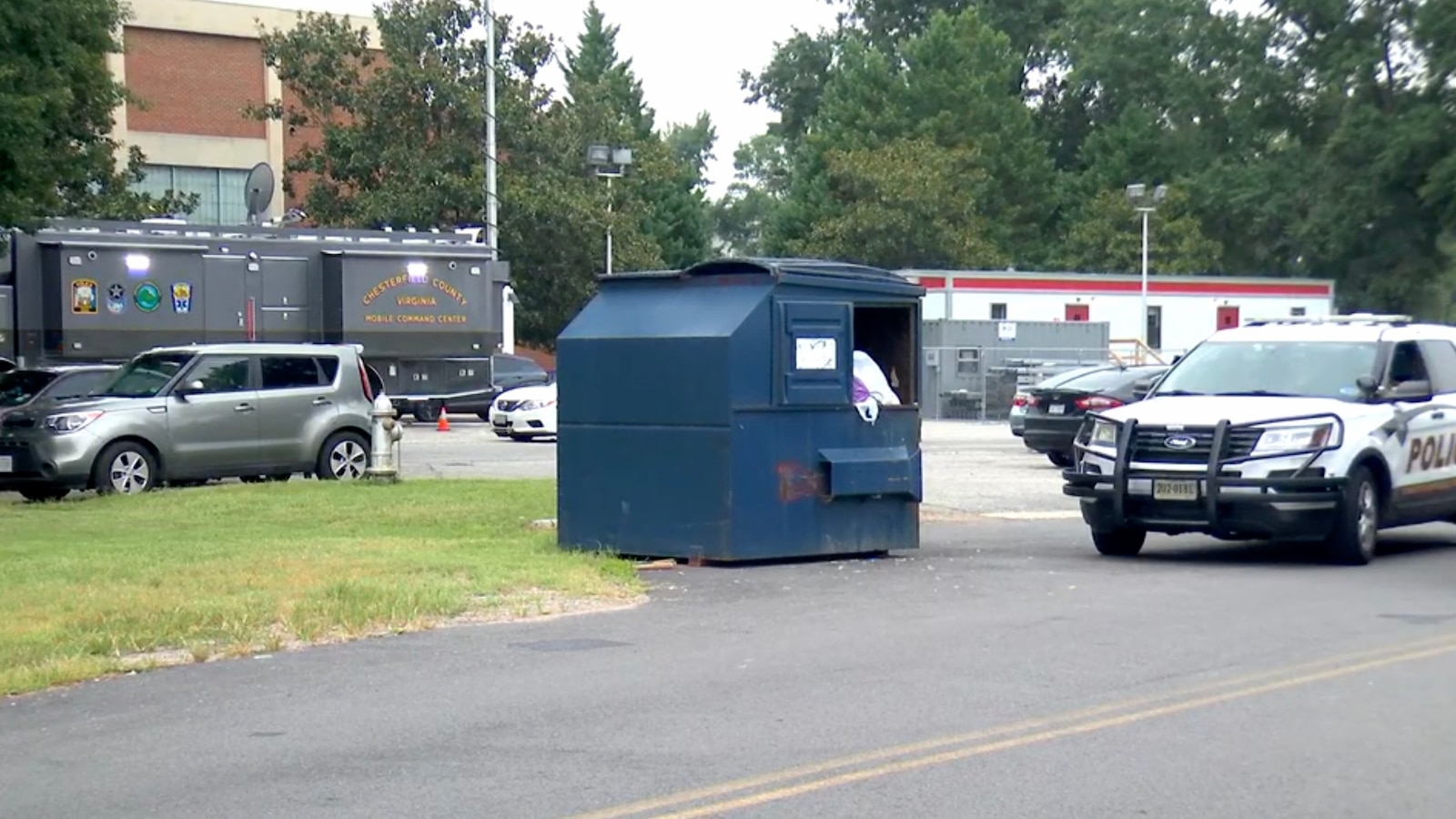
Five people were injured in a shooting outside residence halls at Virginia State University, with...

A multiple-shooter incident left five people injured at Virginia State University, sparking a...
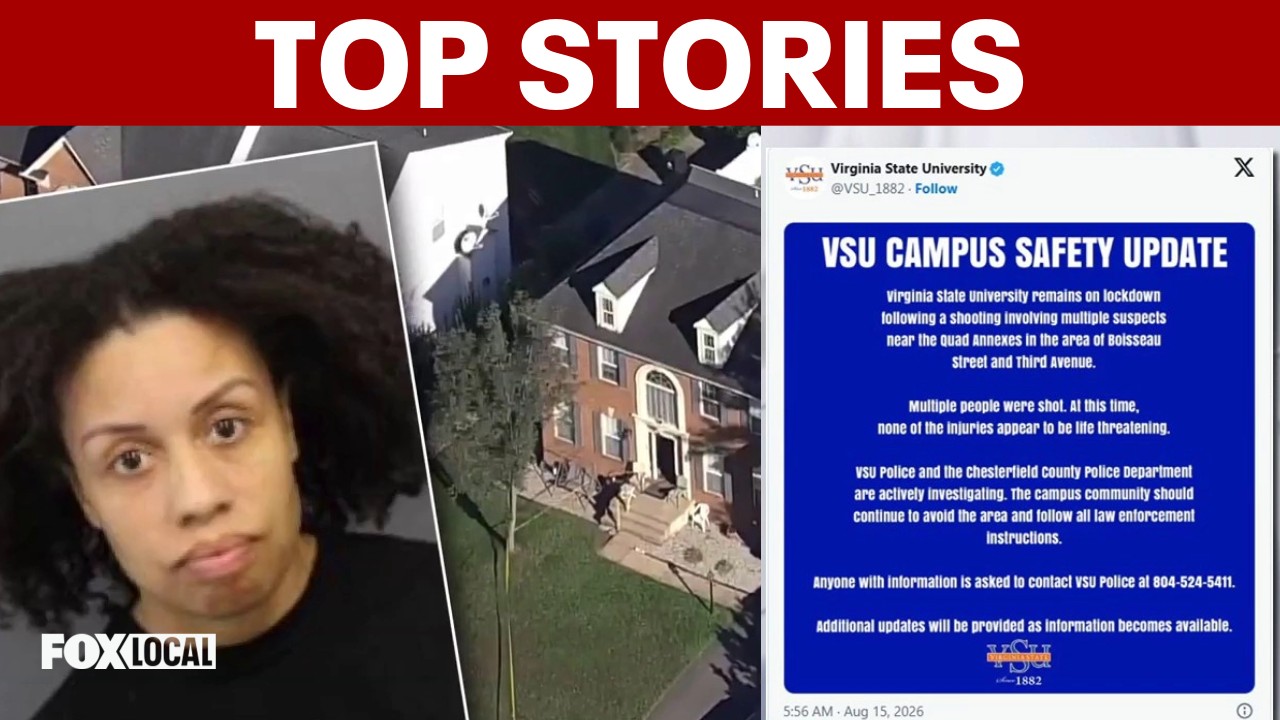
Virginia State University Lockdown: Understanding the Shooting Incident and Its Aftermath by FOX 5...

Netizen tidak senang dengan komentar-komentar yang diberikan

BTS mungkin kembali mengikuti Grammy setelah rekanan mereka, Recording Academy, mengumumkan revisi...
BTS mungkin tidak akan mengubah keputusan untuk mengabaikan Grammy karena deadline pengiriman musik...
Update terbaru tentang keputusan BTS untuk tidak mengirimkan musik mereka untuk dijadikan nominee...
Pihak Recording Academy mengumumkan akan kembali meninju keputusan untuk memperkenalkan kategori...

Sangyeop Sangyeop mengumumkan rencananya untuk menikah dengan seorang non-celebrity, mengejutkan...