


Penilaian Kritik Terhadap J-Hope dan RM dari BTS
Netizen tidak senang dengan komentar-komentar yang diberikan
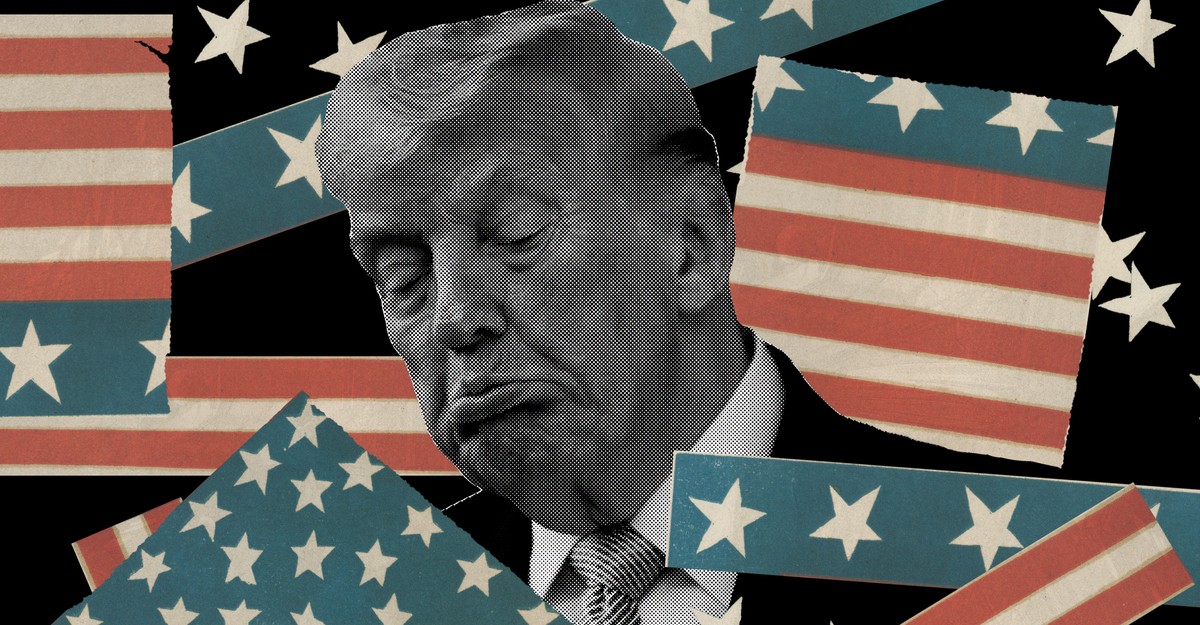
The war with Iran has left the United States reeling, with officials describing the agreement as 'degrading' and 'humiliating.' But what does this defeat mean for America's standing on the world stage and the Middle East's fragile balance of power?
The deal, negotiated by Donald Trump, has been widely criticized for failing to achieve its primary objectives. The agreement allows Iran to continue developing its ballistic missile program and murder its own citizens, with only minor concessions on its nuclear program. In return, Iran received security guarantees and a massive influx of cash, totaling $300 billion.
Critics of the deal argue that it represents a total capitulation on the part of the United States, with Iran emerging as the clear winner. But supporters counter that the deal is a calculated move to prevent a wider conflict and give Iran's economy a much-needed boost. They point out that Iran's economy has been in shambles for over a decade, and that sanctions relief is likely to bring about significant changes within the regime.
An anonymous U.S. official told CNN that the language of the agreement is intentionally vague, allowing Iranian officials to say what they need to say for domestic politics. This suggests that the deal is, in fact, more about appearances than substance. The official also noted that the agreement is not a final product, but rather a stepping stone towards a more comprehensive deal.
But what does this mean for America's standing in the region? The defeat has emboldened Iran's leadership, which sees the agreement as a major victory. The Iranian government has long been a key player in regional politics, but this deal has given it unprecedented influence. It's a development that could have far-reaching consequences for stability in the Middle East.
Jonathan Chait, a columnist for The New Yorker, noted that the humiliation is not just a temporary setback for the United States but a long-term loss of credibility. 'The Iranian regime has never before won a war, and this is a major victory for them,' he said. 'They have the upper hand now, and it's unclear what that means for the country's future.'
Daniel B. Shapiro, a former U.S. Ambassador to Israel, said that the deal is not a bad deal for the United States, but rather a recognition of the country's limitations. 'We can't force our will on other countries, especially if they're determined to resist,' he said. 'This deal is about managing expectations and avoiding further conflict.'
One potential consequence of the deal is the increased influence of hardline groups within Iran's government. The deal has given them the leverage they need to push for more radical policies, potentially destabilizing the region even further.
The deal also raises questions about the future of U.S.-Iran relations. While the agreement is meant to be a stepping stone towards a more comprehensive deal, many experts believe that it's more likely to be a temporary arrangement. In the short term, it's unclear what this means for relations between the two countries.
The U.S. has been dealing with a difficult situation in the Middle East for decades. Iran's rise has presented a significant challenge to American interests in the region. The defeat has only highlighted the complexities of the region and the limits of U.S. power.
The Unseen Consequences of America's Defeat The Atlantic
Netizen tidak senang dengan komentar-komentar yang diberikan

Anggota grup musik telah mengumumkan pernikahannya mendadak dengan sosok non-artist, mengejutkan...
Seorang anggota boy group tak terduga mengumumkan perayaannya pribadi dengan non-kepribadian,...
Anggota grup pria mendadak mengumumkan pernikahannya dengan seorang non-celebrity, membuat...

Cinema XXI Mencapai Titik Puncak dalam Menggunakan Dana IPO Rp217 Triliun

Berita terbaru dari kota Seoul: seorang selebriti Korea mengungkapkan keseharian seorang ibu hamil...

BTS mungkin kembali mengikuti Grammy setelah rekanan mereka, Recording Academy, mengumumkan revisi...
BTS mungkin tidak akan mengubah keputusan untuk mengabaikan Grammy karena deadline pengiriman musik...
Update terbaru tentang keputusan BTS untuk tidak mengirimkan musik mereka untuk dijadikan nominee...
Pihak Recording Academy mengumumkan akan kembali meninju keputusan untuk memperkenalkan kategori...
Sangyeop Sangyeop mengumumkan rencananya untuk menikah dengan seorang non-celebrity, mengejutkan...
Choi Sangyeop dari boy group LUCY mengejutkan fans dan netizen dengan pengumuman pernikahannya yang...