




Bankruptcy Hits Rebel Creamery, a Low-Carb Ice Cream Brand Sold at Walmart and Target
Rebel Creamery, a popular low-carb ice cream brand sold at major retailers like Walmart and Target,...
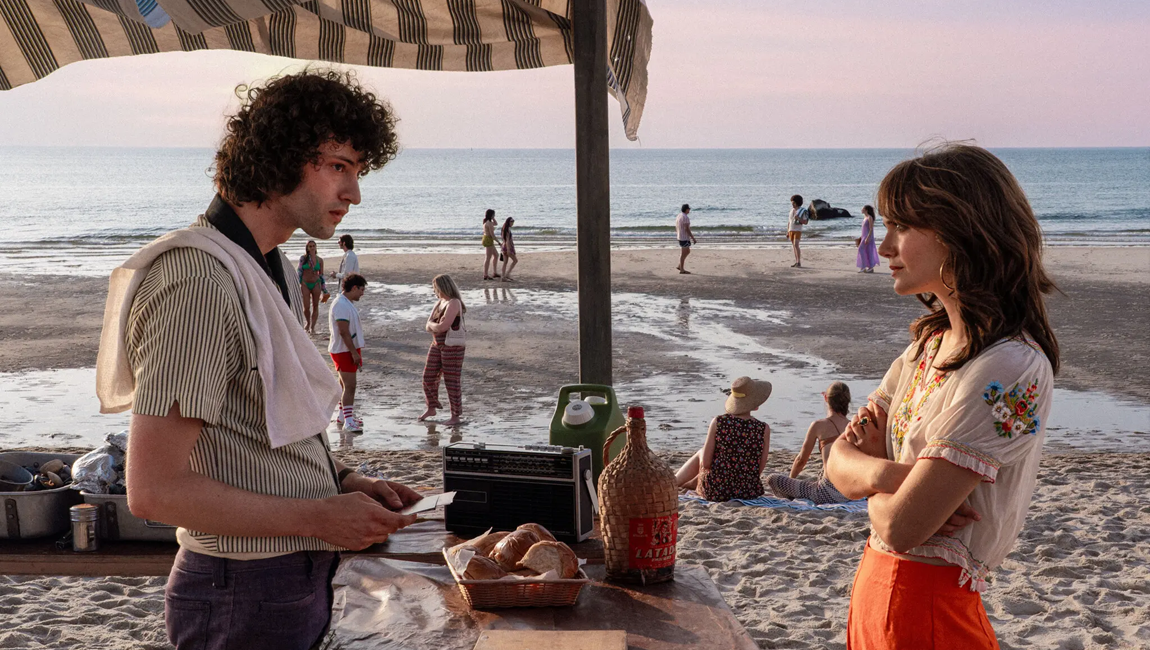
The life of Anthony Bourdain is one that has been well-documented, but the experiences that shaped him into the man he became are less well-known. Matt Johnson's film Tony delves into the formative years of Bourdain's life, exploring the time he spent in Provincetown in the mid-1970s. This period was pivotal in Bourdain's development, as he navigated his passion for writing and his desire to escape the expectations of his family. As he worked in the local restaurants, Bourdain was surrounded by a cast of characters who would influence his perspective on life and his approach to food. The film effectively captures the essence of this time, transporting the viewer to a bygone era of culinary discovery and self-exploration. Through a combination of vibrant period detail and thoughtful character development, Johnson brings Bourdain's early years to life in a way that is both engaging and informative.
At the heart of the film is the tension between identity and profession, as Bourdain struggles to reconcile his creative ambitions with the practical realities of making a living. This conflict is one that many people can relate to, and Johnson handles it with sensitivity and nuance. The supporting cast, which includes Antonio Banderas and Stavros Halkias, adds depth and complexity to the narrative, bringing the world of the restaurant to life in a way that is both authentic and compelling. As the story unfolds, it becomes clear that Bourdain's experiences in Provincetown were instrumental in shaping his perspective on food and his approach to writing. The film is full of memorable moments, from the camaraderie of the kitchen to the quiet introspection of Bourdain's writing routine. Through it all, Johnson maintains a keen eye for detail, capturing the sights, sounds, and flavors of the time with remarkable accuracy.
One of the most striking aspects of the film is its thoughtful exploration of the culinary world. Johnson's depiction of the restaurant industry is unromanticized, yet somehow still manages to convey the passion and creativity that drives those who work in it. The kitchen is portrayed as a place of intense pressure and high stakes, where the margins between success and failure are razor-thin. And yet, despite the challenges, the characters find joy and fulfillment in their work, whether it's the simple pleasure of a well-cooked meal or the satisfaction of a job well done. This balance between the gritty reality of the kitchen and the beauty of the food itself is a delicate one, but Johnson navigates it with ease, creating a narrative that is both grounded and inspiring. As the film progresses, it becomes clear that Bourdain's time in Provincetown was a crucible, one that tested his resolve and forced him to confront his own limitations and ambitions.
Throughout the film, Johnson draws on a range of themes and influences, from the literary to the cinematic. The result is a narrative that is both personal and universal, one that speaks to the experiences of a particular individual while also exploring broader questions about identity, creativity, and the human condition. The period detail is meticulous, with a keen attention to the music, fashion, and culture of the time. And yet, despite the careful reconstruction of the past, the film never feels nostalgic or sentimental, instead maintaining a sharp focus on the emotional and psychological nuances of Bourdain's story. As the narrative unfolds, it becomes clear that Johnson is not just telling the story of a famous chef, but exploring the deeper currents of creativity and self-discovery that shape us all.
The film's cast is equally impressive, with standout performances from Dominic Sessa and Antonio Banderas. Sessa brings a youthful energy to the role of Bourdain, capturing the uncertainty and vulnerability of a young man finding his way in the world. Banderas, meanwhile, is a masterful presence, bringing gravity and depth to the narrative through his character's quiet wisdom and experience. The chemistry between the actors is palpable, and the film is filled with moments of warmth and humor that add to its emotional resonance. As the story reaches its conclusion, it becomes clear that the film is not just a portrait of Bourdain, but a tribute to the power of food and creativity to bring people together and transcend our differences.
In terms of its impact and relevance, the film is both a timely and timeless exploration of the human experience. At a moment when the culinary world is more diverse and dynamic than ever, Tony serves as a reminder of the enduring power of food to inspire and connect us. The film is also a testament to the importance of creative expression and the need to follow one's passion, even in the face of uncertainty and adversity. As the narrative unfolds, it becomes clear that Bourdain's story is not just a personal one, but a universal one, speaking to the hopes and dreams of anyone who has ever pursued a creative path. Through its thoughtful exploration of the culinary world and its nuanced portrayal of the human experience, the film offers a rich and rewarding cinematic experience that will linger long after the credits roll.
As the film industry continues to evolve and change, it is clear that Tony will be an important and influential work, one that will be studied and appreciated by audiences for years to come. The film's themes of creativity, self-discovery, and the power of food to bring people together are timeless and universal, and its thoughtful exploration of the human experience is both nuanced and compelling. Through its meticulous attention to period detail and its thoughtful portrayal of the culinary world, Johnson has created a narrative that is both personal and universal, one that speaks to the experiences of a particular individual while also exploring broader questions about identity, creativity, and the human condition. As the film reaches its conclusion, it becomes clear that Tony is not just a portrait of Anthony Bourdain, but a celebration of the human spirit and its capacity for creativity, connection, and transformation.
The film's release is a significant event, marking a new chapter in the ongoing exploration of the culinary world and its many wonders. As audiences around the world experience the film, it is likely that they will be inspired to explore their own creativity and passion for food, whether through cooking, writing, or simply appreciating the beauty of a well-crafted meal. The film is a testament to the enduring power of food and creativity to bring people together and transcend our differences, and its impact will be felt for years to come. Through its thoughtful exploration of the human experience and its nuanced portrayal of the culinary world, Tony is a film that will leave audiences feeling inspired, uplifted, and connected to the world around them.
In conclusion, Tony is a film that is both a personal and universal exploration of the human experience. Through its thoughtful portrayal of the culinary world and its nuanced examination of the human condition, the film offers a rich and rewarding cinematic experience that will linger long after the credits roll. The film's themes of creativity, self-discovery, and the power of food to bring people together are timeless and universal, and its impact will be felt for years to come. As audiences around the world experience the film, it is likely that they will be inspired to explore their own creativity and passion for food, whether through cooking, writing, or simply appreciating the beauty of a well-crafted meal. Through its meticulous attention to period detail and its thoughtful portrayal of the culinary world, Johnson has created a narrative that is both personal and universal, one that speaks to the experiences of a particular individual while also exploring broader questions about identity, creativity, and the human condition.
A review of Matt Johnson's film Tony, exploring the life and experiences of a young Anthony Bourdain
Rebel Creamery, a popular low-carb ice cream brand sold at major retailers like Walmart and Target,...

Ice cream brand sold in Houston faces financial repercussions after losing a high-profile lawsuit...

Experience the nostalgic charm of EPCOT's retro-futuristic Dreamfinder attraction as it returns to...
Experience the authentic flavors of Barcelona like a local with our insider's guide to the city's...
A Guide to Dining and Nightlife in Barcelona Like a True Catalonian
Marvel's Avengers: Doomsday - D23 2026 Trailer Reaction IGN

Netizen tidak senang dengan komentar-komentar yang diberikan

BTS mungkin kembali mengikuti Grammy setelah rekanan mereka, Recording Academy, mengumumkan revisi...
BTS mungkin tidak akan mengubah keputusan untuk mengabaikan Grammy karena deadline pengiriman musik...
Update terbaru tentang keputusan BTS untuk tidak mengirimkan musik mereka untuk dijadikan nominee...
Pihak Recording Academy mengumumkan akan kembali meninju keputusan untuk memperkenalkan kategori...

Sangyeop Sangyeop mengumumkan rencananya untuk menikah dengan seorang non-celebrity, mengejutkan...