




Hawaiian Electric's Commitment to Restoring Power Throughout the State: A Comprehensive Update
Hawaiian Electric continues to prioritize statewide power restoration efforts in the aftermath of...
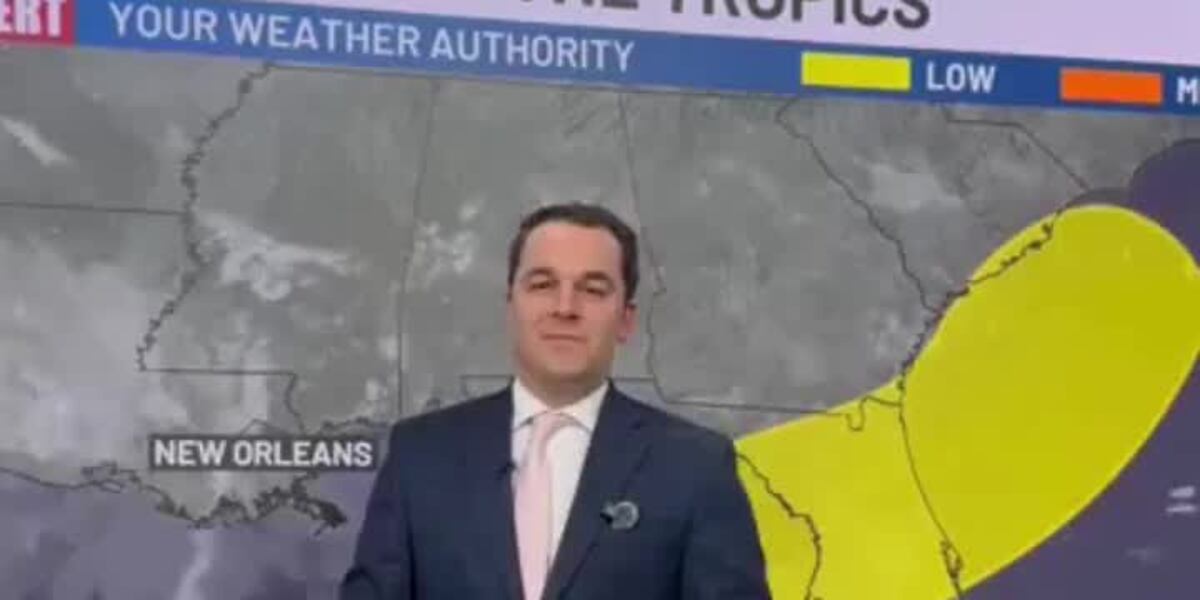
The National Hurricane Center (NHC) has begun monitoring a developing low-pressure system in the Gulf of Mexico, generating significant concern among meteorologists and coastal residents alike. The system, currently classified as a Tropical Disturbance, has shown encouraging signs of intensification in recent hours and days. Meteorologists at the NHC are working around-the-clock to track the situation and provide accurate forecasts on its trajectory and potential impact.
The Gulf of Mexico, with its warm waters and low atmospheric pressure, provides the perfect environment for tropical cyclones to develop. The NHC has outlined a clear trajectory for the disturbance, indicating that it may reach the US mainland somewhere between the southern tip of Texas and the western coastline of Florida by the end of the week. Residents in these impacted areas are urged to remain vigilant and keep a close eye on future advisories from their local emergency management officials.
The implications of a tropical storm or hurricane hitting the Gulf Coast are far-reaching and devastating, affecting thousands of homes, businesses, and lives. Storm surges can lead to catastrophic damage, causing flooding, landslides, and displacement of residents. Furthermore, the prolonged recovery process following such natural disasters can also put an unquantifiable strain on local emergency services, tax base, and infrastructure.
Historically, tropical cyclones have made significant impacts on US coastlines throughout history. Notable instances include Hurricane Katrina in 2005, causing widespread destruction and an estimated $160 billion in damages. Hurricane Harvey also caused $123 billion in damage to the Gulf Coast in 2017, leaving thousands in need of humanitarian assistance.
Despite the uncertainty surrounding this particular disturbance, residents in the affected regions are preparing for the worst-case scenario. Emergency preparedness kits, insurance plans, and evacuation strategies are under heightened scrutiny. Local authorities and emergency management officials are on high alert, working diligently to provide residents with up-to-date information and critical guidance on storm readiness.
The storm's projected trajectory has significant implications for local businesses, with many in the affected areas taking necessary precautions to protect their assets and clientele. Hotels, resorts, and other hospitality-related businesses are seeing surge bookings as people seek to get out of harm's way ahead of an impending storm. However, small, local businesses and service providers might struggle financially in light of prolonged recovery efforts and economic uncertainty.
Meteorologists from the National Weather Service (NWS) and other agencies continue to conduct meticulous analyses of the system's structure, wind patterns, and overall dynamics. As a result, these predictions may become more refined as we move closer to the anticipated landfall. Meanwhile, residents in the potentially affected areas are urged to heed all official advisories and take swift action if ordered to evacuate.
The ongoing development in the Gulf is an exemplary case of complex systems interplay - involving atmospheric pressure systems, warm water temperatures, and a multitude of other meteorological factors. Studying and analyzing such events allows scientists to improve climate models, which are vital to understanding climate variability and change over both short and long time horizons.
The recent years have seen several high-profile tropical cyclones wreak havoc on US coastlines, with storms such as Hurricane Irma (2017), Hurricane Sandy (2012), and Hurricane Andrew (1992) producing catastrophic damage. It remains to be seen how severe this developing low-pressure system will be, and whether its projected trajectory will materialize.
While residents in the affected regions face a daunting prospect, one thing is certain: their resilience and resourcefulness in the face of adversity inspire a collective spirit that reminds us of the fundamental strength of human society.
The storm season poses a constant and formidable threat to the entire Gulf Coast - including Texas, Louisiana, Mississippi, Alabama, and Florida - and is a constant reminder of the inherent fragility of life amidst the power of Mother Nature. Despite advancements in meteorology and communication, the unpredictability of these events underscores our fundamental vulnerability.
Tropical disturbance in the Gulf monitored by the National Hurricane Center affects the US coastline - fox8live.com
Hawaiian Electric continues to prioritize statewide power restoration efforts in the aftermath of...

Hawaiian Electric has issued a comprehensive update on the status of power restoration across the...

Hawaiian Electric crews have successfully restored power to nearly 180,000 customers, marking a...

Stay informed about Tropical Storm Lala's impact on Hawaii, with updates on warnings, advisories,...
Rain Suspends Shelton-Faria ATP Tour Match
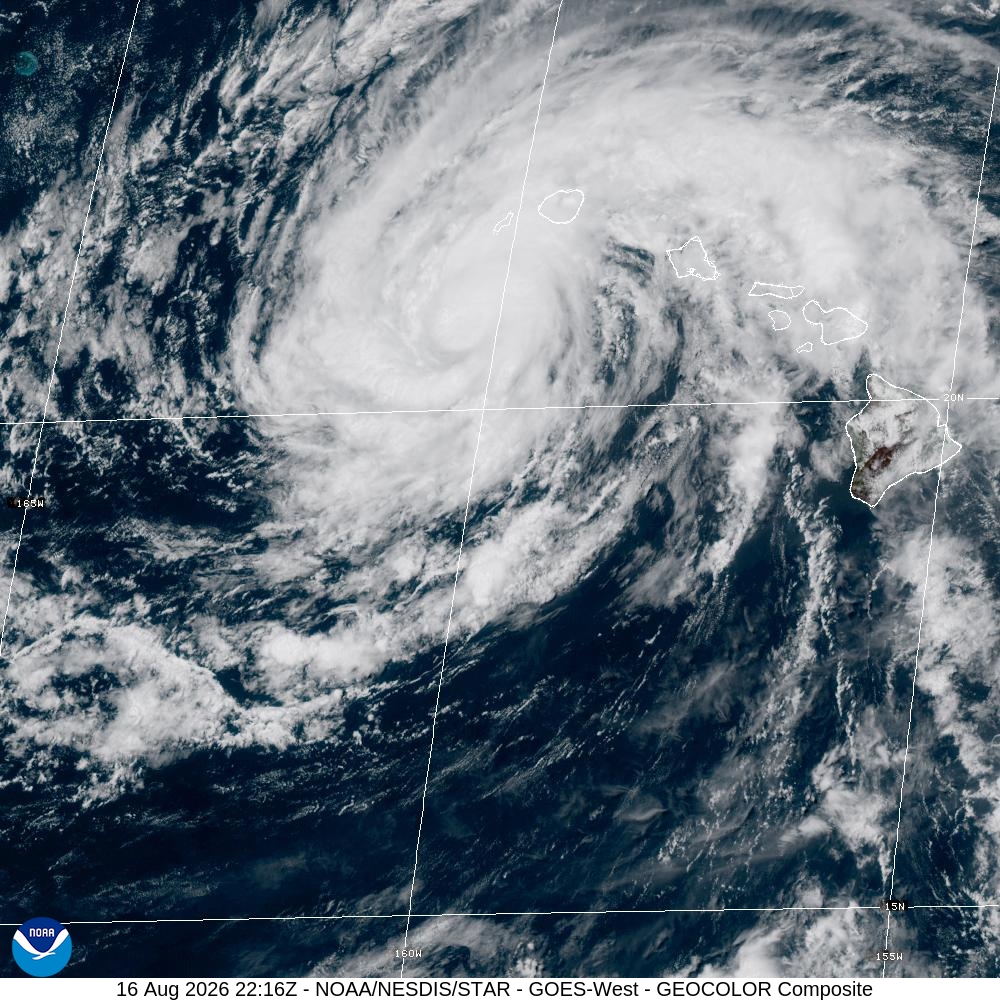
Tropical Storm Lala brought unprecedented rainfall and snowfall to Hawaii, raising questions about...

Netizen tidak senang dengan komentar-komentar yang diberikan

BTS mungkin kembali mengikuti Grammy setelah rekanan mereka, Recording Academy, mengumumkan revisi...
BTS mungkin tidak akan mengubah keputusan untuk mengabaikan Grammy karena deadline pengiriman musik...
Update terbaru tentang keputusan BTS untuk tidak mengirimkan musik mereka untuk dijadikan nominee...
Pihak Recording Academy mengumumkan akan kembali meninju keputusan untuk memperkenalkan kategori...

Sangyeop Sangyeop mengumumkan rencananya untuk menikah dengan seorang non-celebrity, mengejutkan...