




Pemerintah Kabupaten Aceh Tamiang: Bumi Muda Sedia Pulih dan Bangkit
Pemerintah Kabupaten Aceh Tamiang: Bumi Muda Sedia Pulih dan Bangkit — Informasi Terbaru

The Atlantic hurricane season, which spans from June 1 to November 30, has already seen its first named storm, with Tropical Storm Cristobal emerging in the upper Atlantic Ocean. According to the NHC's latest advisory, as of 11:00 AM EST on August 14, 2023, Tropical Storm Cristobal is located approximately 740 miles (1,190 km) south of Bermuda, with maximum sustained winds of 60 mph (95 km/h). The storm is moving west-northwestward at 10 mph (17 km/h), with a minimum central pressure of 1007 mbar (29.74 inHg). The NHC has issued a Tropical Storm Watch for Bermuda, cautioning residents to prepare for potential tropical storm-force winds and heavy rainfall.
As the Atlantic hurricane season progresses, the NHC is keeping a close eye on two other areas of low pressure in the central Atlantic, which are struggling to strengthen into named storms. The first area, located approximately 1,200 miles (1,930 km) east of the Lesser Antilles, has shown signs of organization, with a concentrated area of convection and a well-defined low-level circulation center. However, the storm's forward motion and potential interaction with other weather systems make it challenging to predict its future trajectory. The second area, situated around 1,500 miles (2,400 km) east of the Caribbean, has a weaker signature, with a disorganized area of thunderstorms and a less-defined low-level circulation.
As Hurricane experts and meteorologists weigh the complexities of each system, it is essential to note that both regions are experiencing a period of heightened activity, with several atmospheric and oceanic factors contributing to the potential for tropical cyclone development. These include the presence of an ongoing Madden-Julian Oscillation (MJO), which can disrupt atmospheric conditions and contribute to the growth of tropical waves; a tropical upper-tropospheric trough (TUTT), which can provide a favorable environment for tropical cyclone development; and the ongoing effects of the North Atlantic Oscillation (NAO), which is currently in a negative phase, creating a more conducive environment for storm formation.
According to Dr. Phil Klotzbach, a research scientist at Colorado State University's Department of Atmospheric Science, "the Atlantic is experiencing an active phase of the MJO, which can lead to the development of tropical cyclones." He further noted that "the favorable environmental conditions are present for at least one more named storm to develop in the Atlantic before the end of August." Dr. Klotzbach's prediction underscores the complexity of tracking these systems and the challenges faced by hurricane experts in predicting their trajectory and potential intensification.
As the NHC continues to monitor the situation, it is crucial for residents and tourists in areas potentially affected by these systems to stay informed and take necessary precautions. The Atlantic hurricane season is a potent reminder of the importance of preparedness, evacuation planning, and adherence to official warnings and advisories. In the event of a storm threat, residents should heed warnings from local authorities and weather services, and be prepared to take action to protect life and property.
As the Atlantic hurricane season unfolds, it is clear that the NHC and other weather agencies face a challenging task in tracking and predicting the trajectory of these complex systems. By staying informed and vigilant, we can better understand the risks and opportunities associated with these powerful storm systems.
Tropical storms, such as Tropical Storm Cristobal, can have a profound impact on the environment, ecosystems, and human populations. As climate change continues to shape the hurricane season, it is essential to understand the underlying factors driving these changes and to develop effective strategies for mitigating the effects of storm-related events.
The Atlantic hurricane season serves as a powerful reminder of the importance of investing in scientific research, monitoring, and forecasting capabilities to better prepare for and respond to these complex weather events.
In conclusion, the NHC's continued monitoring of the two active systems in the Atlantic highlights the ongoing challenges and uncertainties associated with predicting the trajectory and intensification of tropical cyclones. By staying informed and prepared, residents and tourists can better weather the storms, and by continuing to advance our understanding of these complex systems, we can improve our capacity to mitigate their impacts.
The National Hurricane Center (NHC) is closely monitoring two active systems in the Atlantic Ocean, with Tropical Storm Cristobal currently forming in the upper Atlantic, and two other areas in the central Atlantic struggling to develop into tropical cyclones.
Pemerintah Kabupaten Aceh Tamiang: Bumi Muda Sedia Pulih dan Bangkit — Informasi Terbaru

Acara 600 ribu porsi kulinier gratis di Monas, menghidupkan semangat kebangsaan dan memperkuat rasa...

Hayden Panettiere, bintang televisi Amerika yang terkenal dengan perannya dalam serial 'Heroes' dan...
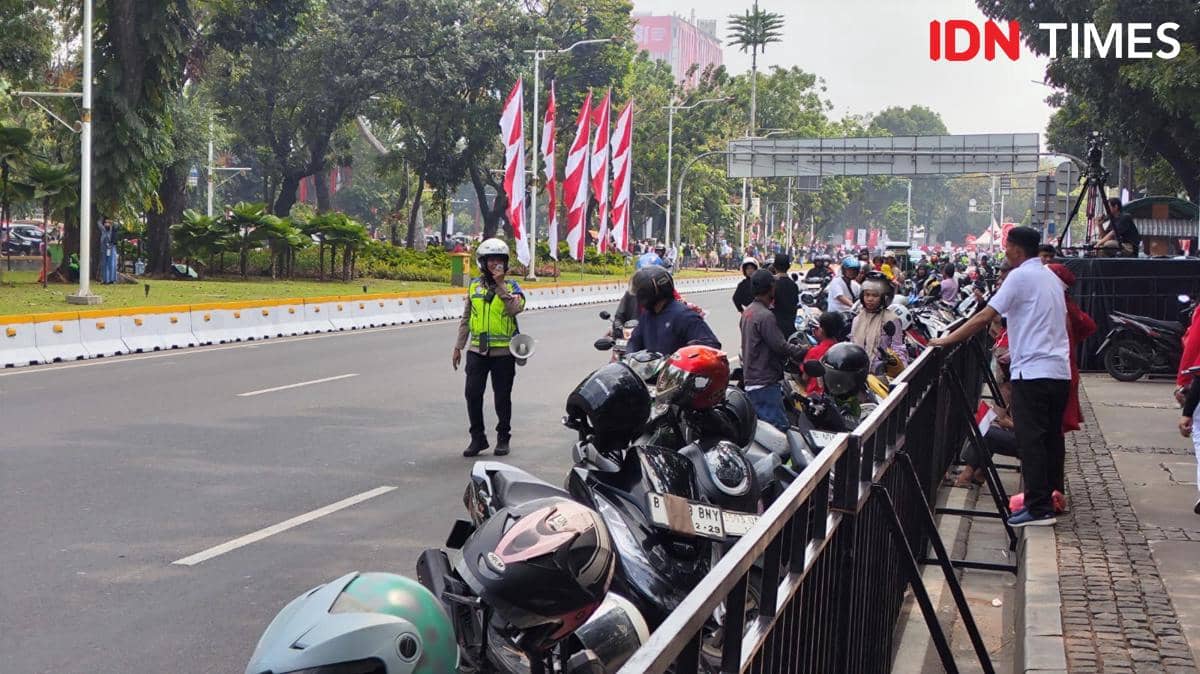
Jalan Merdeka Barat Dekat Istana Merdeka Jadi Parkir Liar Warga yang ke Monumen Nasional IDN Times

Kopassus Mengudara: Aksi Terjun Payung Terunggul di Istana Merdeka - Media Indonesia
Watch the live action of Tijuana vs. Cruz Azul, all the latest news, analysis, and match scores...

Netizen tidak senang dengan komentar-komentar yang diberikan

BTS mungkin kembali mengikuti Grammy setelah rekanan mereka, Recording Academy, mengumumkan revisi...
BTS mungkin tidak akan mengubah keputusan untuk mengabaikan Grammy karena deadline pengiriman musik...
Update terbaru tentang keputusan BTS untuk tidak mengirimkan musik mereka untuk dijadikan nominee...
Pihak Recording Academy mengumumkan akan kembali meninju keputusan untuk memperkenalkan kategori...

Sangyeop Sangyeop mengumumkan rencananya untuk menikah dengan seorang non-celebrity, mengejutkan...