
Donald Trump's Decision to Scale Back Joint Exercises with South Korea: Understanding the Context and Implications
President Donald Trump Orders Pentagon to Scale Back Joint Exercises with South Korea as Part of...
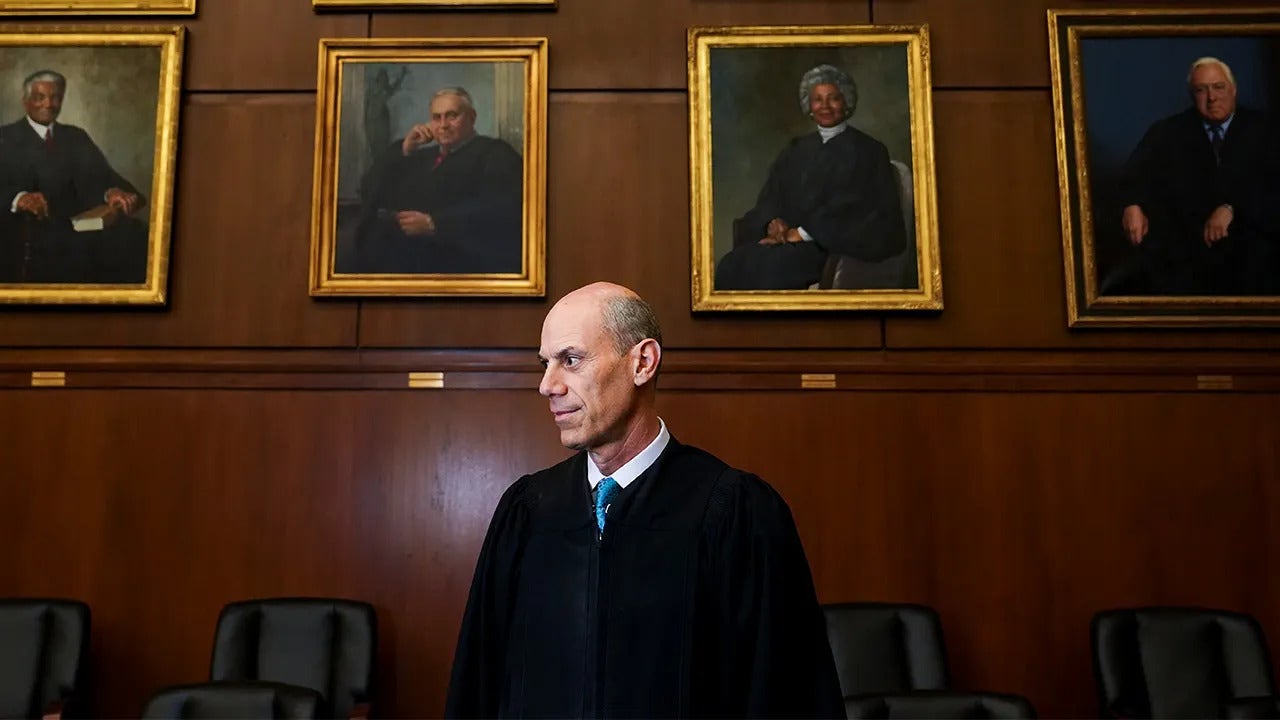
In a recent development that has sparked intense debate and raised significant concerns about the erosion of fundamental rights, a federal judge in Boston has delivered a fresh immigration setback to the Trump administration in a free-speech clash. The ruling, handed down by Chief U.S. District Judge James Boasberg, temporarily blocks the State Department from restricting visas for foreign officials and other foreign nationals considered responsible for or complicit in suppressing American free speech.
The Trump administration's policy, which had been widely criticized by advocacy groups and many lawmakers, aimed to deny visas to individuals involved in perpetuating censorship against Americans. However, Judge Boasberg found that the policy may constitute an unconstitutional viewpoint discrimination, which could violate the First Amendment. This critical ruling has significant implications for the administration's efforts to restrict immigration and its impact on freedom of speech.
At the heart of the controversy is the administration's assertion that it is necessary to restrict visas for foreign nationals who engage in activities deemed detrimental to American free speech. However, critics argue that the policy is a thinly veiled attempt to suppress dissenting voices and restrict the exchange of ideas. This is a matter of considerable debate, with many advocates for free speech arguing that the policy represents a serious threat to the fundamental rights of Americans.
In his decision, Judge Boasberg noted that while the federal government has a legitimate interest in responding to foreign officials who use sovereign power to suppress protected expression in the United States, the policy in question may be seen as an attempt to silence specific viewpoints. The judge's ruling has been hailed as a victory for free speech advocates, who argue that it upholds the principles of the First Amendment and protects the fundamental rights of Americans to engage in open and unfettered debate.
The Trump administration's efforts to restrict visas for foreign nationals have been widely criticized by lawmakers and advocacy groups. Many have argued that such policies undermine the principles of free speech and represent a threat to the rights of Americans to engage in open and unfettered debate. This includes lawmakers such as Senator Eric Schmitt, R-Mo., who has argued that a visa is 'a privilege – not a constitutional entitlement' and that the First Amendment protects the American people's right to speak, but 'it does not require the American people to admit foreign actors who work to restrict that speech.'
The State Department's policy, which has been temporarily blocked by Judge Boasberg, restricted visa access to individuals involved with organizations that promote censorship and restrict free speech. This has raised significant concerns about the potential impact on academic and journalistic freedom. Critics argue that such policies undermine the principles of free speech and represent a threat to the rights of Americans to engage in open and unfettered debate.
Judge Boasberg's ruling is seen as a significant setback for the Trump administration's efforts to restrict immigration and its impact on freedom of speech. However, the administration has signaled its intention to appeal the decision, indicating that this is far from over. The implications of this ruling are far-reaching, with many advocacy groups calling for greater protections for free speech and an end to policies that seek to restrict the exchange of ideas.
The Trump administration's policy has sparked heated debate and raised significant concerns about the erosion of fundamental rights. As the administration continues to grapple with the implications of this ruling, one thing is clear: the battle for free speech is far from over. This ruling is a significant victory for those who argue that the First Amendment must be upheld and protected at all costs.
However, critics argue that the policy is a thinly veiled attempt to suppress dissenting voices and restrict the exchange of ideas. This has sparked a national debate about the role of the federal government in protecting free speech and ensuring that Americans are free to engage in open and unfettered debate. As the administration navigates this complex issue, it remains to be seen whether it will ultimately succeed in restricting immigration and its impact on freedom of speech.
Ultimately, the implications of this ruling are far-reaching and have significant implications for the administration's efforts to restrict immigration and its impact on freedom of speech. As the nation continues to grapple with these complex issues, one thing is clear: the protection of fundamental rights, particularly free speech, must remain a top priority.
As the Trump administration continues to grapple with the implications of this ruling, many are left wondering what the future holds for free speech in America. One thing is certain: the battle for fundamental rights is far from over, and it will take continued vigilance and activism to ensure that the principles of the First Amendment remain firmly in place.
For now, the administration's policy remains temporarily blocked, and the nation is left to ponder the implications of this critical ruling. As the debate over free speech continues, one thing is clear: the protection of fundamental rights must remain a top priority.
In a landmark ruling, a federal judge has temporarily halted the Trump administration's efforts to restrict visas for foreign nationals deemed complicit in suppressing American free speech. The decision marks a significant setback for the administration's policy, which aimed to prioritize US citizens in the workforce.

President Donald Trump Orders Pentagon to Scale Back Joint Exercises with South Korea as Part of...

The US Navy is examining potential redesigns of its warships as part of a broader initiative driven...
Controversial Landmark Ruling Gives Trump Administration Permission to Construct 62 Miles of Border...
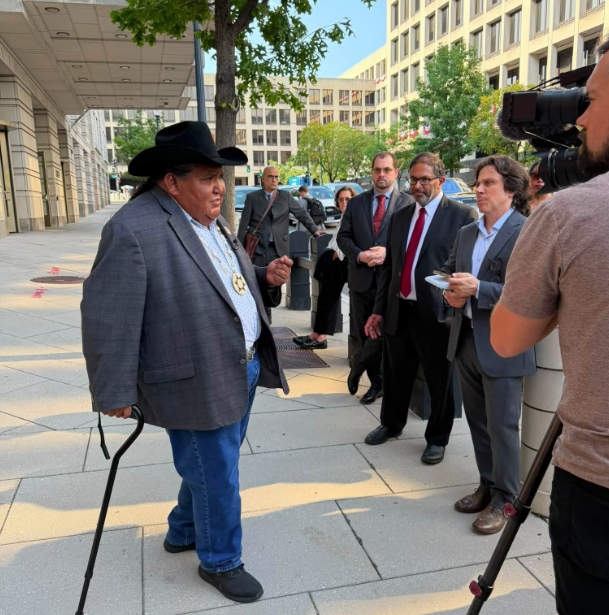
A federal judge's recent ruling has denied the Tohono O’odham Nation's bid to halt construction...

A federal judge has denied the Tohono O'odham Nation's request to halt the construction of a...

A federal judge has ruled in favor of the Trump administration, permitting the construction of a...

Netizen tidak senang dengan komentar-komentar yang diberikan

BTS mungkin kembali mengikuti Grammy setelah rekanan mereka, Recording Academy, mengumumkan revisi...
BTS mungkin tidak akan mengubah keputusan untuk mengabaikan Grammy karena deadline pengiriman musik...
Update terbaru tentang keputusan BTS untuk tidak mengirimkan musik mereka untuk dijadikan nominee...
Pihak Recording Academy mengumumkan akan kembali meninju keputusan untuk memperkenalkan kategori...

Sangyeop Sangyeop mengumumkan rencananya untuk menikah dengan seorang non-celebrity, mengejutkan...