

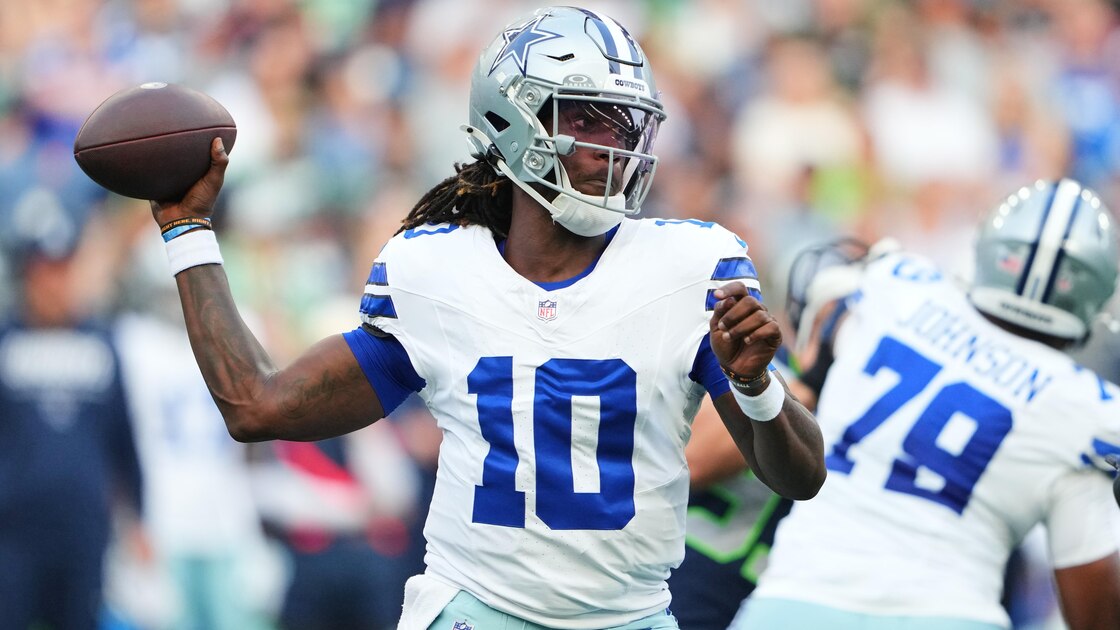



Donald Trump Orders Substantial Reduction of US-South Korea Military Drills Amid Tensions with North Korea
Donald Trump orders Pentagon to scale back joint military exercises with South Korea, citing his...

President Donald Trump's administration has taken another step in its efforts to re-write America's history, with the installation of signs outside the Smithsonian's National Museum of American History warning visitors of 'inaccurate information'. This latest move has been met with widespread criticism from historians and museum officials, who argue that this is an attempt by the Trump administration to impose its own agenda on the nation's history.
This is not the first time that the Trump administration has sought to intervene in the nation's history. In March 2025, Trump issued an executive order aimed at combating what he called 'historical revisions' that cast the country's history in a negative light. This order also sparked fierce criticism from historians and museum officials who argued that it was an attempt to re-write the nation's history to suit the Trump administration's ideology. The latest move is seen as further evidence of the Trump administration's attempts to reshape the nation's history in its image.
The Smithsonian is an independent agency, funded by the federal government, but it operates outside of the control of the executive branch. However, the administration has been able to exert influence over the institution by controlling its funding and appointing a Vice President to its board. This gives the administration significant leverage over the institution's decisions, including what exhibits are on display and what information is presented to the public. Critics argue that this is an attempt by the Trump administration to exert control over the nation's history and impose its own ideology.
The signs themselves are simple, stating that the museum's exhibits 'should be renovated consistent with the findings' of a White House report that denigrated exhibits at the National Museum of American History. The report was published on July 4 and accused the Smithsonian of advancing 'radical' left-wing ideologies and engaging in 'extreme political activism'. The report's accusations are seen as an attempt to justify the Trump administration's efforts to re-write the nation's history.
The White House has defended its actions, stating that President Trump is 'fighting back to restore one of the Nation's greatest civic treasures to its founding mission and purpose and reestablish truth in the Nation's historical narrative'. This statement is seen as an attempt to justify the Trump administration's efforts to re-write the nation's history and impose its own ideology on the nation's museums.
The controversy surrounding the Trump administration's efforts to re-write the nation's history has sparked a heated debate over the role of institutions like the Smithsonian in presenting the nation's history. Some have argued that the institution should be free to present its own interpretation of America's past, while others argue that it has a responsibility to present a more nuanced and accurate account of the nation's history. The debate highlights the tensions between the role of institutions in presenting the nation's history and the attempts by politicians to re-write that history to suit their own ideology.
The implications of the Trump administration's actions are far-reaching and will likely have a lasting impact on the nation's institutions and the public's understanding of America's history. By attempting to re-write the nation's history, the Trump administration is attempting to shape the public's perception of the nation and its values. This has significant implications for the country's identity and its place in the world. The actions of the Trump administration also highlight the importance of institutions like the Smithsonian in maintaining the integrity and accuracy of the nation's history.
As the debate over the nation's history continues to unfold, it remains to be seen what the long-term implications will be for the institutions responsible for presenting that history. One thing is certain, however, the actions of the Trump administration have marked a significant turning point in the nation's history, and one that will likely be remembered for generations to come.
While some have praised President Trump's efforts to 'restore truth' in the nation's historical narrative, others have criticized his attempts to re-write the nation's history to suit his own ideology. The debate surrounding the nation's history is likely to continue long after Trump leaves office, and it will be left to future generations to determine whether his efforts were successful in reshaping the nation's history.
Trump's latest move to re-write America's history is met with criticism from historians and museum officials as signs are placed outside the Smithsonian warning visitors of 'inaccurate information'
Donald Trump orders Pentagon to scale back joint military exercises with South Korea, citing his...
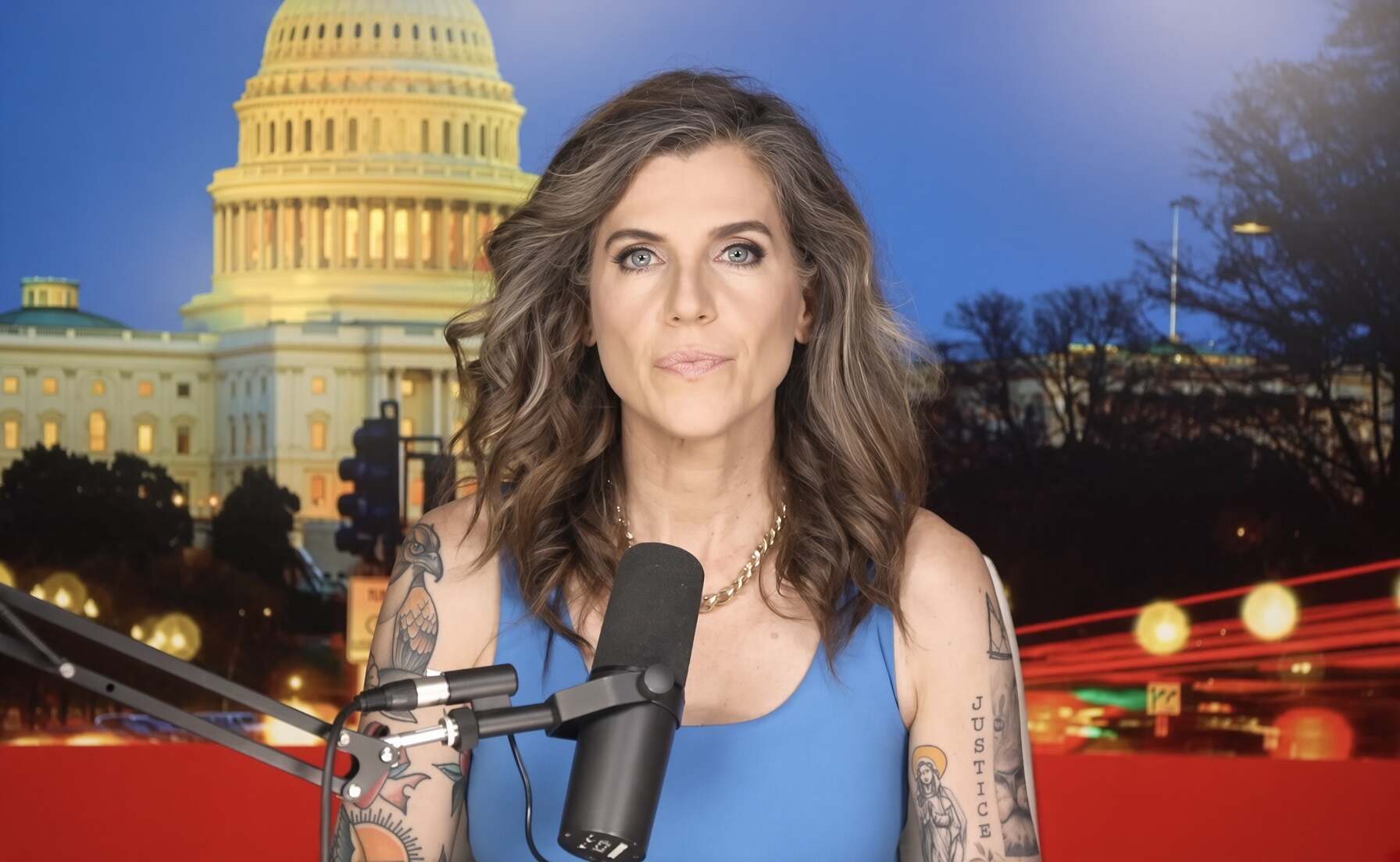
FITSNews reports on Nancy Mace's transition from outgoing congresswoman to online talk show host,...

President Trump's recent order for the Pentagon to curtail military exercises with South Korea has...
President Donald Trump Orders Pentagon to Scale Back Joint Exercises with South Korea as Part of...
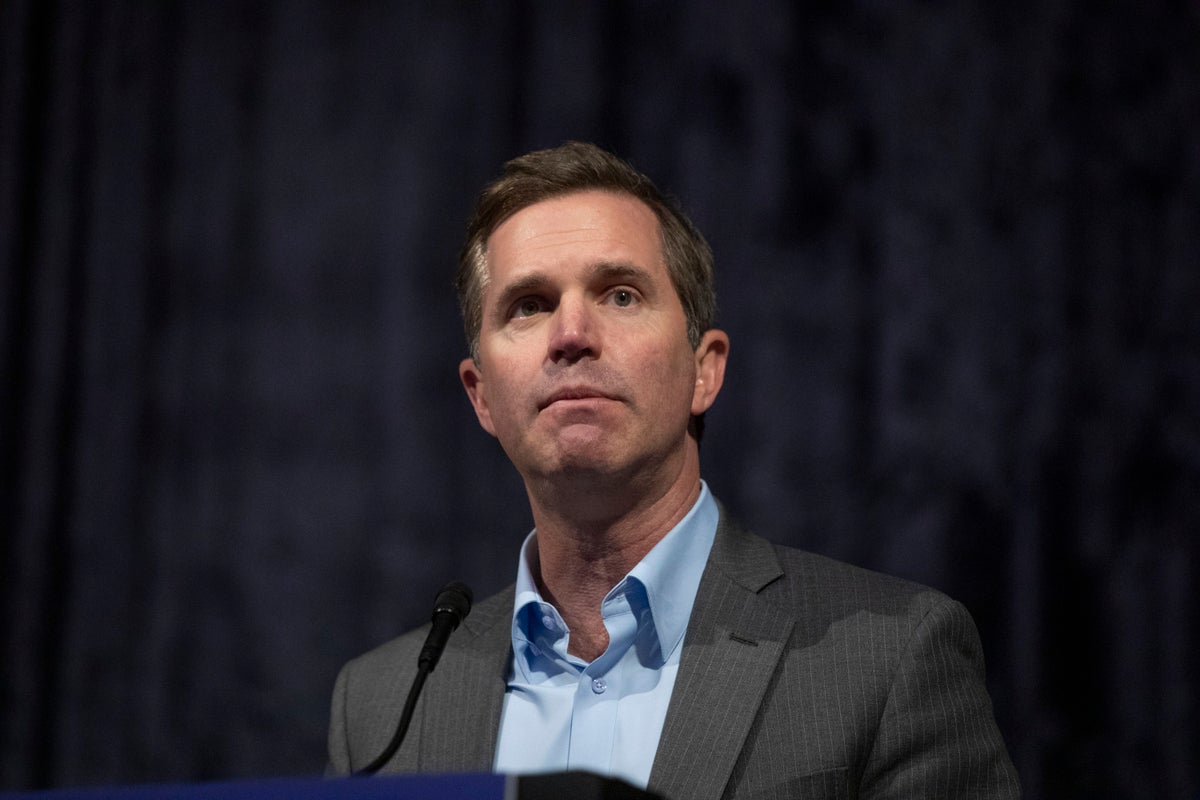
Kentucky governor Andy Beshear criticizes McConnell's lack of transparency about his health
Kentucky Governor Andy Beshear has spoken out about the lack of communication from Senator Mitch...

Netizen tidak senang dengan komentar-komentar yang diberikan

BTS mungkin kembali mengikuti Grammy setelah rekanan mereka, Recording Academy, mengumumkan revisi...
BTS mungkin tidak akan mengubah keputusan untuk mengabaikan Grammy karena deadline pengiriman musik...
Update terbaru tentang keputusan BTS untuk tidak mengirimkan musik mereka untuk dijadikan nominee...
Pihak Recording Academy mengumumkan akan kembali meninju keputusan untuk memperkenalkan kategori...

Sangyeop Sangyeop mengumumkan rencananya untuk menikah dengan seorang non-celebrity, mengejutkan...