




Nancy Mace: A Politician Takes the Fight to the People
FITSNews reports on Nancy Mace's transition from outgoing congresswoman to online talk show host,...
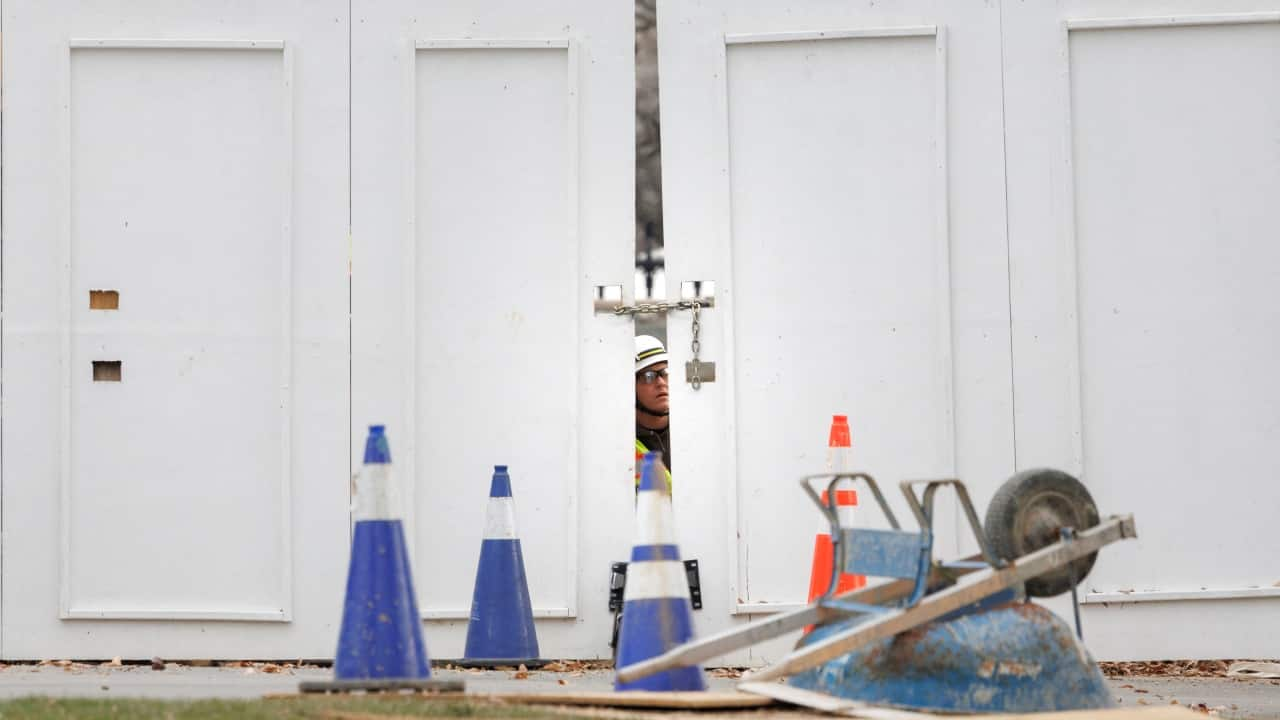
The White House has been at the center of controversy after it was reported that a $500 million contract for the construction of a new East Wing ballroom was awarded without bids. According to a report by The Washington Post, the contract was issued through the White House's Executive Residence, an office that is exempt from federal procurement rules requiring competitive bidding and public disclosure of contract details. This exemption has raised concerns among critics, who argue that it undermines transparency and accountability in government contracting. The report also highlights the need for greater oversight of government spending, particularly when it comes to large-scale projects like the White House renovation. Furthermore, the lack of competitive bidding has led to questions about the fairness and value of the contract, with some arguing that it could have been awarded at a lower cost if other companies had been given the opportunity to bid.
The contract was awarded to Clark Construction, a Virginia-based construction firm, which reportedly charged a 3 percent profit margin for its initial work related to the East Wing expansion. The company has a long history of working on high-profile projects, including several government buildings and landmarks. However, the fact that the contract was awarded without bids has sparked controversy, with some arguing that it favors large, well-connected companies over smaller, more innovative firms. The controversy surrounding the contract has also raised questions about the role of the Executive Residence in awarding contracts, and whether it is truly exempt from federal procurement rules. Additionally, the report has highlighted the need for greater transparency and accountability in government contracting, particularly when it comes to large-scale projects like the White House renovation.
Trump's personal involvement in negotiating the contract has also sparked controversy, with some arguing that it is inappropriate for the President to be involved in such dealings. The report suggests that Trump was involved in negotiating certain costs associated with the ballroom project, which has raised concerns about the potential for conflicts of interest. The President's role in the renovation effort has been widely reported, with some arguing that it is an attempt to leave a lasting legacy on the White House. However, others have argued that the renovation is a necessary update to the historic building, and that Trump's involvement is simply a reflection of his commitment to preserving American history. Moreover, the report has highlighted the need for greater scrutiny of the President's involvement in government contracting, particularly when it comes to large-scale projects like the White House renovation.
The ballroom project is part of a larger effort to reshape major public spaces in Washington, DC, which includes several high-profile architectural additions and refurbishments across the capital. The renovation plan reportedly includes a 250-foot ceremonial arch, a redesign of the reflecting pool at the National Mall, and a new promenade around the Lincoln Memorial. The project has been widely reported, with some arguing that it is a necessary update to the city's infrastructure, while others have argued that it is a waste of taxpayer money. The report has also highlighted the need for greater investment in the nation's capital, particularly when it comes to preserving historic landmarks and public spaces. Furthermore, the project has sparked controversy, with some arguing that it favors the interests of wealthy donors and special interest groups over those of the general public.
Trump had previously said that he and a group of wealthy donors would finance the ballroom project privately, but he later sought $1 billion in taxpayer funding from Congress for security-related upgrades tied to the project. The request was reportedly rejected by Senate Republicans, who were mindful of the political optics ahead of the upcoming midterm elections. The development has added a fresh layer of scrutiny to one of the most expensive renovation efforts undertaken at the White House in recent years. The report has also highlighted the need for greater transparency and accountability in government spending, particularly when it comes to large-scale projects like the White House renovation. Additionally, the controversy surrounding the contract has sparked debate about the role of private donors in funding public projects, and whether it is appropriate for the President to seek taxpayer funding for projects that were initially promised to be privately funded.
The controversy surrounding the contract has sparked a wider debate about government spending and the role of the President in awarding contracts. The report has highlighted the need for greater oversight and transparency in government contracting, particularly when it comes to large-scale projects like the White House renovation. The controversy has also sparked concerns about the potential for conflicts of interest and the need for greater scrutiny of the President's involvement in government contracting. Furthermore, the report has highlighted the need for greater investment in the nation's capital, particularly when it comes to preserving historic landmarks and public spaces. The controversy surrounding the contract has also sparked debate about the role of private donors in funding public projects, and whether it is appropriate for the President to seek taxpayer funding for projects that were initially promised to be privately funded.
In conclusion, the controversy surrounding the $500 million contract for the construction of a new East Wing ballroom at the White House has sparked a wider debate about government spending and the role of the President in awarding contracts. The report has highlighted the need for greater oversight and transparency in government contracting, particularly when it comes to large-scale projects like the White House renovation. The controversy has also sparked concerns about the potential for conflicts of interest and the need for greater scrutiny of the President's involvement in government contracting. As the debate continues, it is clear that the issue of government spending and transparency will remain a major concern for years to come. The report has also highlighted the need for greater investment in the nation's capital, particularly when it comes to preserving historic landmarks and public spaces.
A recent report reveals that US President Donald Trump was personally involved in negotiating a $500 million contract for the construction of a new East Wing ballroom at the White House, which was awarded without bids.
FITSNews reports on Nancy Mace's transition from outgoing congresswoman to online talk show host,...

President Trump's recent order for the Pentagon to curtail military exercises with South Korea has...
President Donald Trump Orders Pentagon to Scale Back Joint Exercises with South Korea as Part of...

Kentucky governor Andy Beshear criticizes McConnell's lack of transparency about his health
Kentucky Governor Andy Beshear has spoken out about the lack of communication from Senator Mitch...

Learn how to check if your car has been searched by Flock cameras and understand the implications...

Netizen tidak senang dengan komentar-komentar yang diberikan

BTS mungkin kembali mengikuti Grammy setelah rekanan mereka, Recording Academy, mengumumkan revisi...
BTS mungkin tidak akan mengubah keputusan untuk mengabaikan Grammy karena deadline pengiriman musik...
Update terbaru tentang keputusan BTS untuk tidak mengirimkan musik mereka untuk dijadikan nominee...
Pihak Recording Academy mengumumkan akan kembali meninju keputusan untuk memperkenalkan kategori...

Sangyeop Sangyeop mengumumkan rencananya untuk menikah dengan seorang non-celebrity, mengejutkan...