





Penilaian Kritik Terhadap J-Hope dan RM dari BTS
Netizen tidak senang dengan komentar-komentar yang diberikan
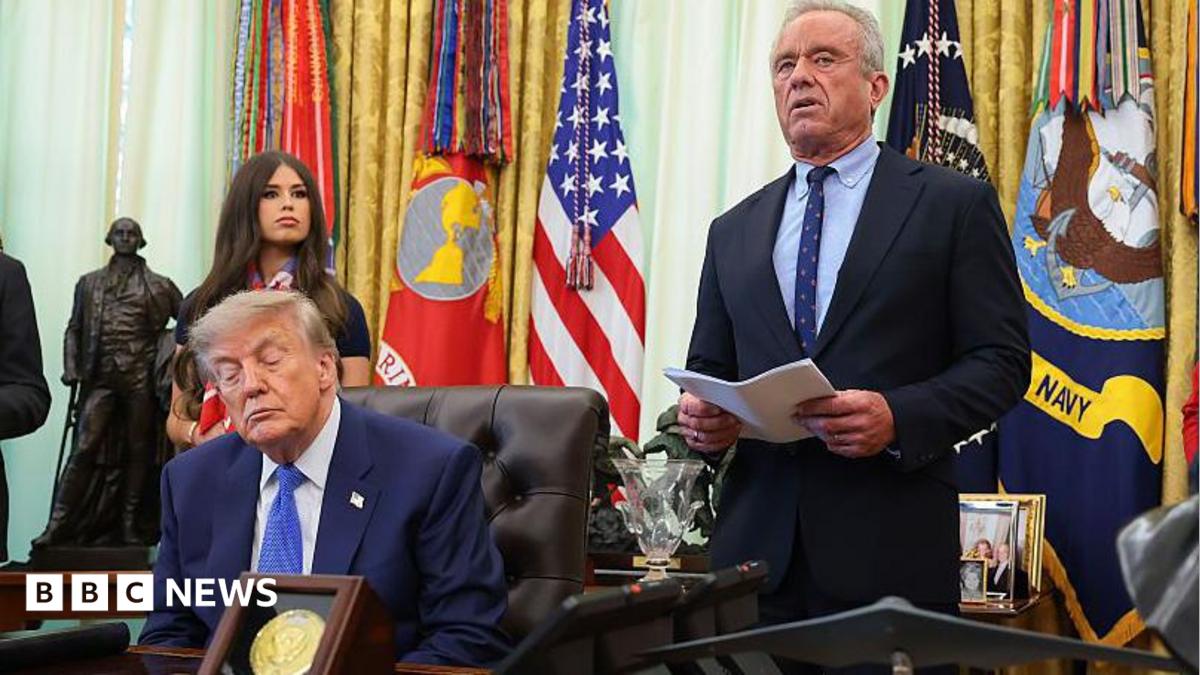
President Donald Trump has recently signed an order that aims to limit the number of childhood vaccines and recommends splitting the mumps, measles, and rubella (MMR) shots. This move has sparked intense debate and concern among health experts, who argue that such a decision could have far-reaching consequences for public health. The order, which was announced on Monday, is part of the Trump administration's efforts to reform the nation's vaccine policies. According to Trump, the current vaccine schedule is too extensive and may be linked to the rising rates of autism. However, multiple studies have consistently shown that there is no scientific evidence to support this claim. In fact, the Centers for Disease Control and Prevention (CDC) and the World Health Organization (WHO) have both stated that vaccines are safe and effective in preventing serious diseases.
The Trump administration has long been criticized for promoting a discredited link between MMR vaccines and autism. Despite the lack of scientific evidence, Trump has continued to push this narrative, citing anecdotal evidence and unproven claims. In his announcement, Trump stated that decades ago, children received only a small fraction of the vaccines required today, and yet, people were much healthier. However, this argument is based on a flawed understanding of the relationship between vaccines and public health. In reality, vaccines have been instrumental in controlling and eliminating many serious diseases, including measles, mumps, and rubella. By reducing the number of childhood vaccines, the Trump administration may be putting the health of American children at risk.
The federal government does not have the authority to implement the new recommendations, as shots required for school attendance are set at the state level. This means that the order may have limited impact, at least in the short term. However, the move is likely to spark a national conversation about vaccine policies and the role of government in regulating public health. Speaking in the Oval Office, Trump said that his administration is recognizing gold standard childhood vaccine recommendations for only 11 core vaccinations against the most serious and dangerous diseases. The immunizations recommended for all children under the order are for measles, mumps, rubella, diphtheria, tetanus, pertussis, polio, Haemophilus influenzae type B, pneumococcal disease, human papillomavirus, and varicella or chicken pox. While this may seem like a reasonable approach, health experts argue that it is essential to follow the recommended vaccine schedule to ensure that children are fully protected against serious diseases.
Trump's order has significant implications for public health, particularly in the context of measles outbreaks. In recent years, the United States has experienced a resurgence of measles cases, primarily due to low vaccination rates in certain communities. By reducing the number of childhood vaccines and splitting the MMR shots, the Trump administration may be exacerbating this problem. According to health experts, the MMR vaccine is a crucial tool in preventing the spread of measles, and any changes to the vaccine schedule could have unintended consequences. Furthermore, the move may undermine trust in the vaccine system, leading to lower vaccination rates and increased risk of disease outbreaks. As the WHO has stated, vaccines are a critical component of public health, and any efforts to undermine their effectiveness could have devastating consequences.
The Trump administration's decision to limit childhood vaccines is not only based on flawed science but also ignores the complex social and economic factors that influence vaccine uptake. In many communities, access to vaccines is limited by socioeconomic factors, such as poverty, lack of healthcare access, and cultural barriers. By reducing the number of childhood vaccines, the Trump administration may be exacerbating these existing health disparities. Moreover, the move may have significant economic implications, particularly in the context of healthcare costs. Vaccines are a cost-effective way to prevent serious diseases, and any reduction in vaccine uptake could lead to increased healthcare costs and economic burdens on families and communities. As the CDC has stated, vaccines are a critical investment in public health, and any efforts to undermine their effectiveness could have far-reaching consequences for the economy and society as a whole.
Looking ahead, the implications of Trump's order are likely to be far-reaching and complex. Health experts are warning that the move could lead to increased rates of vaccine-preventable diseases, particularly in communities with low vaccination rates. Furthermore, the decision may undermine trust in the vaccine system, leading to lower vaccination rates and increased risk of disease outbreaks. As the WHO has stated, vaccines are a critical component of public health, and any efforts to undermine their effectiveness could have devastating consequences. In the coming months and years, it will be essential to monitor the impact of Trump's order and to assess the effectiveness of the new vaccine policies. Ultimately, the decision to limit childhood vaccines is a complex issue that requires careful consideration of the scientific evidence, social and economic factors, and the potential consequences for public health.
In conclusion, Trump's order to limit childhood vaccines is a complex and contentious issue that has significant implications for public health. While the move may be based on flawed science and ignores the complex social and economic factors that influence vaccine uptake, it is essential to consider the potential consequences of the decision. As health experts have argued, vaccines are a critical component of public health, and any efforts to undermine their effectiveness could have devastating consequences. Looking ahead, it will be essential to monitor the impact of Trump's order and to assess the effectiveness of the new vaccine policies. Ultimately, the decision to limit childhood vaccines requires careful consideration of the scientific evidence, social and economic factors, and the potential consequences for public health. By prioritizing the health and well-being of American children, we can work towards creating a safer, healthier, and more equitable society for all.
The future of vaccine policies in the United States is uncertain, and it is likely that the debate will continue in the coming months and years. However, one thing is clear: vaccines are a critical component of public health, and any efforts to undermine their effectiveness could have far-reaching consequences. As we move forward, it will be essential to prioritize the health and well-being of American children and to ensure that they have access to the vaccines they need to stay healthy and thrive. By working together to promote vaccine awareness, improve access to healthcare, and support evidence-based vaccine policies, we can create a brighter, healthier future for generations to come. The importance of vaccines cannot be overstated, and it is our responsibility to ensure that they remain a cornerstone of public health policy. By doing so, we can protect the health and well-being of American children and create a safer, more equitable society for all.
Furthermore, the impact of Trump's order on the healthcare system will be significant, and it is likely that the decision will have far-reaching consequences for healthcare providers, insurers, and patients. The move may lead to increased healthcare costs, as well as a greater burden on healthcare providers, who will need to adapt to the new vaccine schedule. Moreover, the decision may have significant implications for the economy, particularly in the context of healthcare costs and lost productivity. As the CDC has stated, vaccines are a critical investment in public health, and any efforts to undermine their effectiveness could have devastating consequences for the economy and society as a whole. By prioritizing the health and well-being of American children, we can work towards creating a safer, healthier, and more equitable society for all. The importance of vaccines cannot be overstated, and it is our responsibility to ensure that they remain a cornerstone of public health policy.
In addition to the potential consequences for public health, the Trump administration's decision to limit childhood vaccines also raises important questions about the role of government in regulating healthcare. The move is likely to spark a national conversation about the balance between individual freedom and public health, as well as the importance of evidence-based decision-making in healthcare policy. As health experts have argued, vaccines are a critical component of public health, and any efforts to undermine their effectiveness could have devastating consequences. By prioritizing the health and well-being of American children, we can work towards creating a safer, healthier, and more equitable society for all. The importance of vaccines cannot be overstated, and it is our responsibility to ensure that they remain a cornerstone of public health policy. By doing so, we can protect the health and well-being of American children and create a brighter, healthier future for generations to come.
Finally, the Trump administration's decision to limit childhood vaccines highlights the need for greater awareness and education about the importance of vaccines in preventing serious diseases. By promoting vaccine awareness and improving access to healthcare, we can work towards creating a safer, healthier, and more equitable society for all. The importance of vaccines cannot be overstated, and it is our responsibility to ensure that they remain a cornerstone of public health policy. By prioritizing the health and well-being of American children, we can protect them from serious diseases and create a brighter, healthier future for generations to come. The future of vaccine policies in the United States is uncertain, but one thing is clear: vaccines are a critical component of public health, and any efforts to undermine their effectiveness could have devastating consequences.
President Trump signs an order to reduce the number of childhood vaccines and split the MMR shots, sparking debate and concern among health experts
Netizen tidak senang dengan komentar-komentar yang diberikan

Pemerintah Kabupaten Aceh Tamiang: Bumi Muda Sedia Pulih dan Bangkit — Informasi Terbaru

Anggota grup musik telah mengumumkan pernikahannya mendadak dengan sosok non-artist, mengejutkan...
Seorang anggota boy group tak terduga mengumumkan perayaannya pribadi dengan non-kepribadian,...
Anggota grup pria mendadak mengumumkan pernikahannya dengan seorang non-celebrity, membuat...

Cinema XXI Mencapai Titik Puncak dalam Menggunakan Dana IPO Rp217 Triliun

BTS mungkin kembali mengikuti Grammy setelah rekanan mereka, Recording Academy, mengumumkan revisi...
BTS mungkin tidak akan mengubah keputusan untuk mengabaikan Grammy karena deadline pengiriman musik...
Update terbaru tentang keputusan BTS untuk tidak mengirimkan musik mereka untuk dijadikan nominee...
Pihak Recording Academy mengumumkan akan kembali meninju keputusan untuk memperkenalkan kategori...
Sangyeop Sangyeop mengumumkan rencananya untuk menikah dengan seorang non-celebrity, mengejutkan...
Choi Sangyeop dari boy group LUCY mengejutkan fans dan netizen dengan pengumuman pernikahannya yang...