




Klaim Keliru tentang Vaksin Human Papillomavirus Anak: Apa, Siapa, dan Mengapa
Mengenal klaim keliru seputar vaksin Human Papillomavirus anak dan pentingnya informasi yang akurat
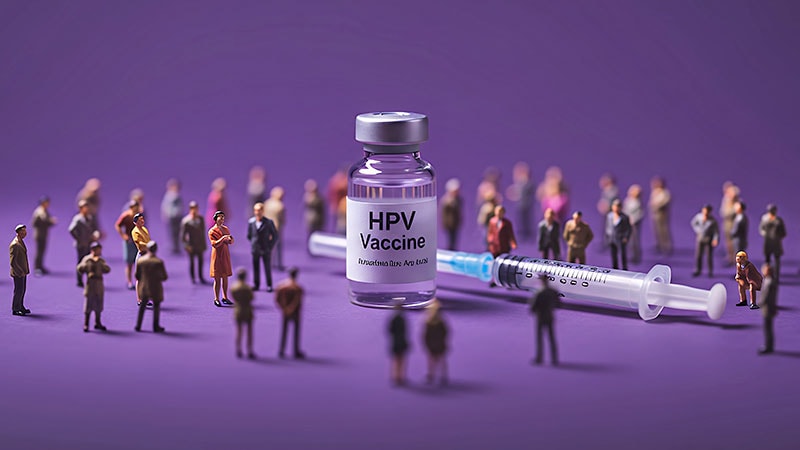
The introduction of the HPV vaccine two decades ago marked the beginning of a new era in the prevention of cervical cancer and other HPV-related diseases. Since its inception, the vaccine has undergone significant transformations, with numerous studies and trials conducted to assess its efficacy and safety. The vaccine has been widely adopted globally, with many countries incorporating it into their national immunization programs.
According to the World Health Organization (WHO), HPV is the most common sexually transmitted infection, with over 100 different strains. While most HPV infections are harmless, certain high-risk strains can cause cervical cancer, as well as other types of cancer, such as anal, oropharyngeal, and penile cancer. The HPV vaccine has been shown to be highly effective in preventing these diseases, with some studies indicating a reduction in HPV-related cancer cases by up to 90%.
One of the key challenges facing the HPV vaccine is low uptake rates in certain regions. In some countries, the vaccine is not widely available, and in others, there is a lack of awareness about the importance of vaccination. Additionally, misinformation and myths surrounding the vaccine have contributed to low uptake rates, highlighting the need for education and awareness campaigns to address these concerns.
Despite these challenges, the HPV vaccine has made significant progress in reducing the burden of HPV-related diseases. In countries where the vaccine has been widely adopted, there has been a notable decline in HPV-related cancer cases. For example, in Australia, where the vaccine was introduced in 2007, there has been a 90% reduction in HPV-related cancer cases among young women.
The impact of the HPV vaccine extends beyond the individual, with widespread vaccination having a significant impact on public health. By reducing the number of HPV-related cancer cases, the vaccine has the potential to alleviate the economic burden on healthcare systems. Furthermore, the vaccine has been shown to be cost-effective, with some studies indicating that the cost of vaccination is outweighed by the savings in healthcare costs.
As the HPV vaccine continues to evolve, there are several factors that will influence its future outlook. One of the key areas of focus is the development of new vaccine technologies, such as mRNA-based vaccines, which have shown promise in clinical trials. Additionally, there is a need for increased investment in education and awareness campaigns to address low uptake rates and misinformation surrounding the vaccine.
According to Dr. Anne Schuchat, former Director of the National Center for Immunization and Respiratory Diseases, "the HPV vaccine is a testament to the power of vaccination in preventing cancer and saving lives." She emphasizes the importance of continued efforts to improve vaccine uptake rates, stating that "every dose of the HPV vaccine administered is a step towards a future where HPV-related cancers are a rarity."
In conclusion, the HPV vaccine has made significant progress in the past twenty years, with its impact extending beyond the individual to public health and the economy. As the vaccine continues to evolve, it is essential to address ongoing challenges, such as low uptake rates and misinformation, to ensure that the vaccine reaches its full potential in preventing HPV-related diseases.
The human papillomavirus (HPV) vaccine has been in use for twenty years, marking a significant milestone in the fight against cervical cancer and other HPV-related diseases.
Mengenal klaim keliru seputar vaksin Human Papillomavirus anak dan pentingnya informasi yang akurat

The FDA has elevated the recent egg recall to its highest level due to a significant Salmonella...
The US FDA has upgraded the egg recall linked to Salmonella poisoning to the highest risk level,...
Marvel finally reveals its new X-Men lineup, featuring Adam Driver as the iconic villain Mister...

A recent study reveals hundreds of quartz countertop workers in California have developed...
FDA Assigns Highest-Risk Class I Status for Recall of Nearly 1.6 Million Cartons of Eggs

Netizen tidak senang dengan komentar-komentar yang diberikan

BTS mungkin kembali mengikuti Grammy setelah rekanan mereka, Recording Academy, mengumumkan revisi...
BTS mungkin tidak akan mengubah keputusan untuk mengabaikan Grammy karena deadline pengiriman musik...
Update terbaru tentang keputusan BTS untuk tidak mengirimkan musik mereka untuk dijadikan nominee...
Pihak Recording Academy mengumumkan akan kembali meninju keputusan untuk memperkenalkan kategori...

Sangyeop Sangyeop mengumumkan rencananya untuk menikah dengan seorang non-celebrity, mengejutkan...