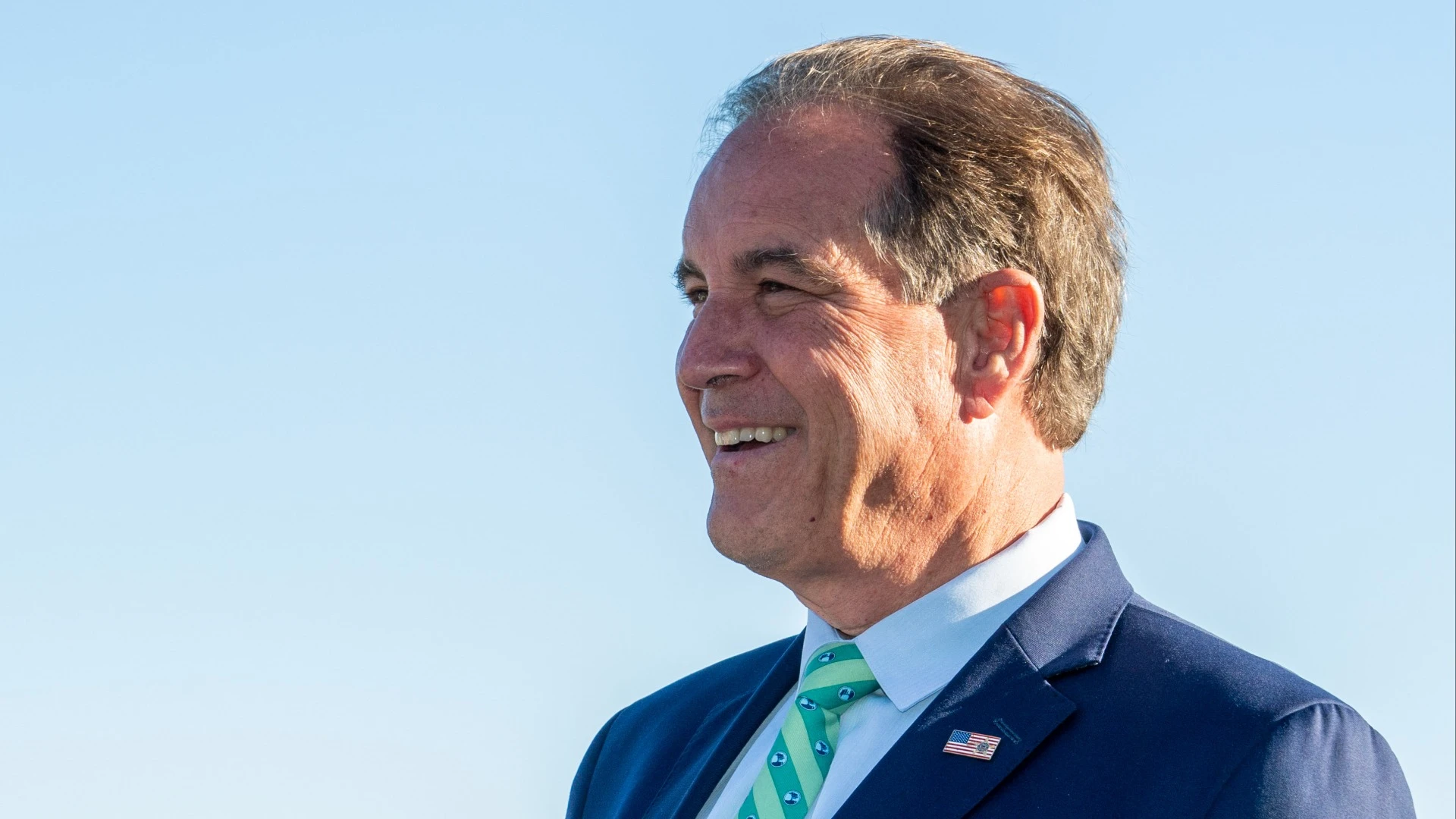



Israel's National Security Chief Advocates Mass Killing in Gaza
Israel's National Security Chief Advocates Mass Killing in Gaza: A Devastating Policy Proposal
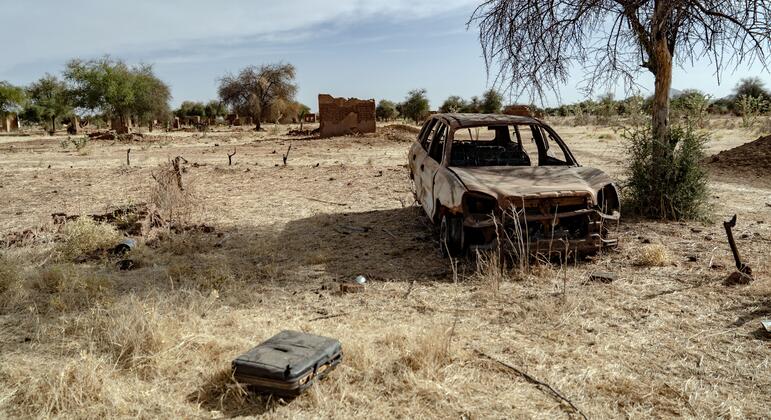
The United Nations Security Council held an emergency briefing on the ongoing conflict in Darfur, with the International Criminal Court offering crucial updates and expert analysis. The ICC, established in 2002, plays a vital role in prosecuting international crimes, including genocide, war crimes, and crimes against humanity. As the Security Council grappled with the complexities of the Darfur conflict, the ICC provided essential context, shedding light on the plight of the affected communities. The ICC's Prosecutor emphasized the need for sustained international attention and collective action to address the crisis effectively.
At the heart of the ICC's briefing was the need to underscore the gravity of the situation in Darfur. With over four million people displaced since the conflict began in 2003, the region continues to face unimaginable hardships. The ICC highlighted the plight of women, children, and vulnerable groups, who have been disproportionately affected by the crisis. As the Security Council seeks to find lasting solutions, the ICC's expert analysis serves as a critical reminder of the need for comprehensive and inclusive approaches.
The Darfur conflict has resulted in widespread human suffering, including reports of mass killings, forced displacement, and exploitation. The ICC's investigative efforts have gathered momentum, with numerous cases brought to justice. However, the path to peace and reconciliation remains long and arduous. The ICC's Prosecutor stressed the importance of prioritizing accountability and justice, as these form the bedrock of sustainable peace and stability. In doing so, they underscored the critical role of the Security Council in providing a platform for international cooperation and collective resolve.
The ongoing conflict in Darfur also highlights pressing global issues, including climate change, food insecurity, and social inequality. As the international community grapples with these intersecting crises, it is essential to recognize the complex context in which the conflict has unfolded. The ICC's experts drew attention to the linkages between environmental degradation, resource scarcity, and social conflict. Their analysis serves as a call to action for the international community to adopt more inclusive and forward-thinking approaches to conflict resolution and sustainable development.
Looking ahead, the road to lasting peace and stability in Darfur will require sustained commitment and collective action. The ICC's update serves as a critical reminder of the need for continued international attention and cooperation. The Security Council, as the primary forum for international peace and security, plays a pivotal role in mobilizing collective resolve and coordinating international efforts. The ICC's expert analysis will undoubtedly inform and shape the development of innovative and inclusive solutions, fostering a more comprehensive understanding of the drivers and dynamics of the conflict.
Ultimately, the ICC's briefing to the Security Council offers a beacon of hope for the people of Darfur and the international community as a whole. By acknowledging the complexity of the crisis and emphasizing the need for collective action, the ICC provides a catalyst for meaningful change. As the Security Council moves forward, it is essential to integrate the lessons from the ICC's update, fostering cooperation and coordination among key stakeholders. In doing so, we may unlock more effective solutions to the crisis and pave the way for a more just and peaceful future for all.
The International Criminal Court provides critical insights and expert analysis to the United Nations Security Council on the ongoing conflict in Darfur.
Israel's National Security Chief Advocates Mass Killing in Gaza: A Devastating Policy Proposal

Delving into the life and career of Samira Said, a former ABC News journalist who has accused CBS...

a federal judge has refused a bid by the tohono o'odham nation to immediately block construction of...

Judge refuses to block Trump administration's border wall plans along Tohono O'odham reservation -...

Here's a detailed examination of automated license plate readers, also known as Flock Safety, used...

US officials urge Israeli Prime Minister Benjamin Netanyahu to publicly condemn the settler siege...

Netizen tidak senang dengan komentar-komentar yang diberikan

BTS mungkin kembali mengikuti Grammy setelah rekanan mereka, Recording Academy, mengumumkan revisi...
BTS mungkin tidak akan mengubah keputusan untuk mengabaikan Grammy karena deadline pengiriman musik...
Update terbaru tentang keputusan BTS untuk tidak mengirimkan musik mereka untuk dijadikan nominee...
Pihak Recording Academy mengumumkan akan kembali meninju keputusan untuk memperkenalkan kategori...

Sangyeop Sangyeop mengumumkan rencananya untuk menikah dengan seorang non-celebrity, mengejutkan...