



Lindsay Clancy's Trial Sheds Light on the Hidden Dangers of Postpartum Psychosis
Lindsay Clancy's trial raises crucial questions about postpartum psychosis, a little-understood...
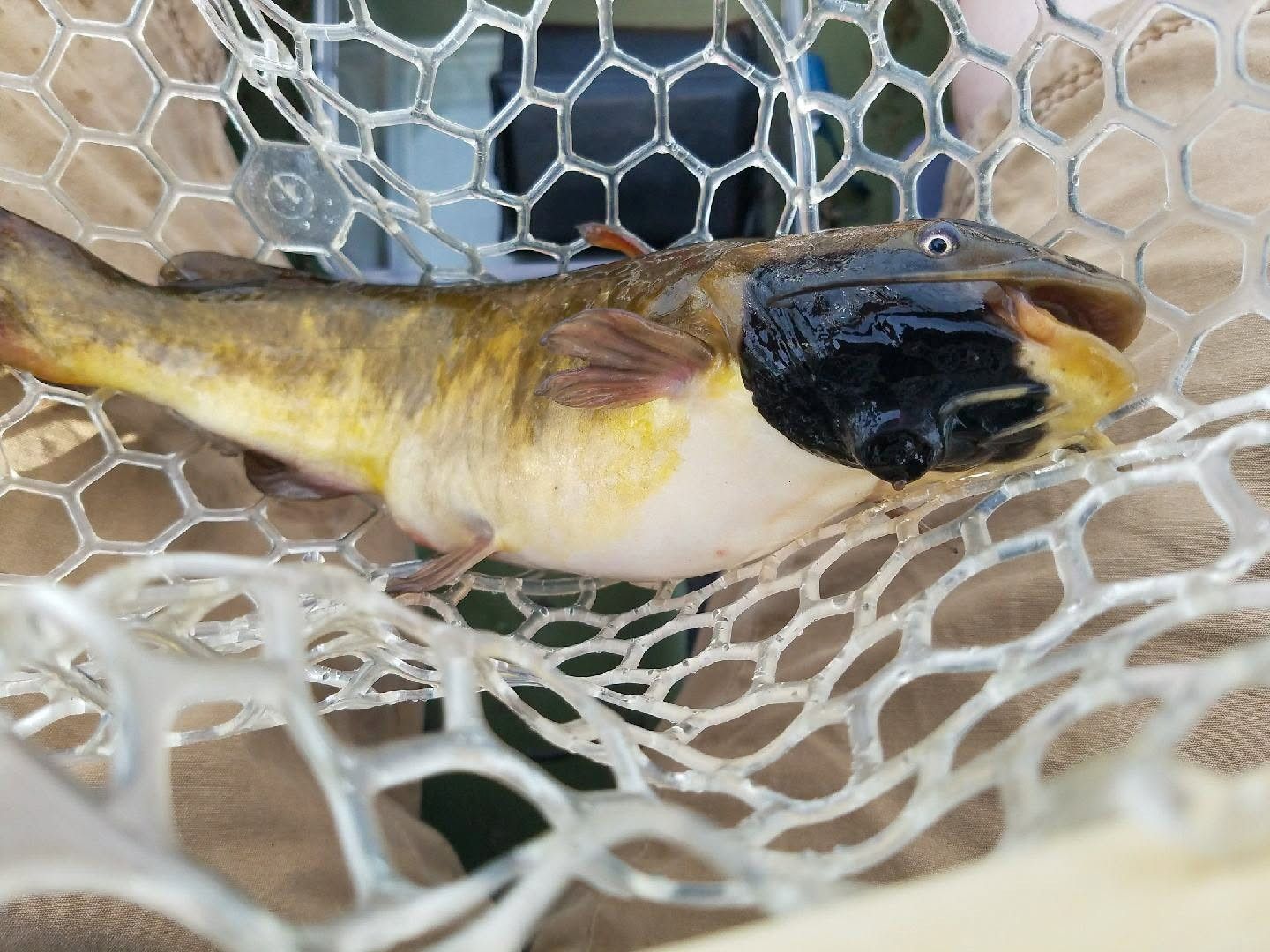
Researchers from Canada and the United States have made an unprecedented discovery of a rare contagious cancer in catfish inhabiting Lake Memphremagog, a 51-km-long glacial lake straddling the Quebec-Vermont border. This extraordinary finding has left the scientific community in awe, sparking curiosity about the possible causes and implications of this remarkable observation.
According to a peer-reviewed study published in the esteemed journal Nature, anglers began to notice unusual black lesions on brown bullheads caught in the lake during the period between 2014 and 2017. Through histopathological analysis, researchers determined that these raised black lesions were malignant melanomas. A staggering 23-37% of brown bullheads sampled exhibited these cancerous growths, significantly higher than the incidence reported in other bodies of water.
One of the most intriguing aspects of this discovery is that the cancer is transmissible, meaning it can be spread from one fish to another. The study posits that the cancer cells themselves are the infectious entity, and despite efforts to detect any viral or microbial pathogens, none were found. This phenomenon is incredibly rare in nature, with only a handful of documented cases in species such as dogs, Tasmanian devils, and certain aquatic molluscs.
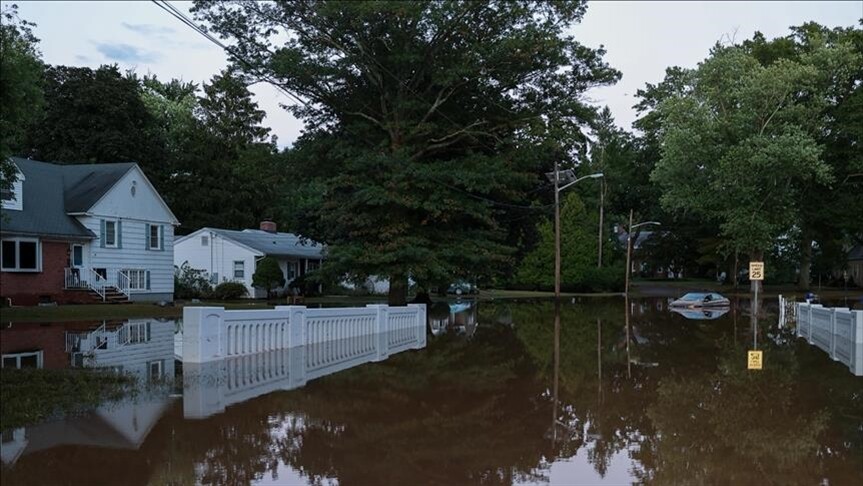
The study suggests that the high incidence of cancer in Lake Memphremagog may be attributed to local contaminants entering the waterbody. Specifically, researchers propose that extensive flooding in 2011 due to tropical storm Irene led to reduced water quality, resulting from increased runoff pollution. Given that Lake Memphremagog serves as the primary source of drinking water for over 175,000 people, monitoring changes in water quality is of utmost concern to biologists and the public.
The discovery of this contagious cancer has far-reaching implications for our understanding of aquatic ecosystems and the potential risks associated with water pollution. The study highlights the importance of continued research into the causes and consequences of this phenomenon, which may ultimately inform strategies for mitigating the effects of environmental stressors on aquatic species. By shedding light on the intricacies of this remarkable cancer, scientists hope to shed new insights into the complex relationships between water quality, human activities, and the health of aquatic ecosystems.
Furthermore, this study underscores the value of interdisciplinary collaboration and knowledge sharing between scientists, policymakers, and the broader community. As researchers continue to unravel the mysteries of this transmissible cancer, they emphasize the need for sustained commitment to environmental monitoring and conservation efforts. By working together, we can better protect these vital ecosystems and safeguard the health of aquatic species for generations to come.
The findings of this study have significant implications for our understanding of the intricate relationships between water quality, human activities, and aquatic ecosystems. As scientists continue to investigate the causes and consequences of this transmissible cancer, they highlight the urgent need for continued research into water pollution and its effects on aquatic species. By expanding our knowledge of these complex relationships, we can develop more effective strategies for mitigating the risks associated with water pollution and promoting the long-term health and resilience of aquatic ecosystems.
Scientists Confirm Fish Pose No Danger to Humans
Lindsay Clancy's trial raises crucial questions about postpartum psychosis, a little-understood...
The high-profile trial of Lindsay Clancy, who is accused of murdering her three children,...
At least 6 dead as historic flooding inundates US state of Indiana, leaving a trail of destruction...

A powerful storm has struck Naalehu, resulting in the destruction of two homes, leaving residents...

A recent medical emergency has left Earth, Wind & Fire drummer John Paris in a critical condition,...

Earth, Wind and Fire drummer John Paris' cardiac incident highlights the importance of artist...

Netizen tidak senang dengan komentar-komentar yang diberikan

BTS mungkin kembali mengikuti Grammy setelah rekanan mereka, Recording Academy, mengumumkan revisi...
BTS mungkin tidak akan mengubah keputusan untuk mengabaikan Grammy karena deadline pengiriman musik...
Update terbaru tentang keputusan BTS untuk tidak mengirimkan musik mereka untuk dijadikan nominee...
Pihak Recording Academy mengumumkan akan kembali meninju keputusan untuk memperkenalkan kategori...

Sangyeop Sangyeop mengumumkan rencananya untuk menikah dengan seorang non-celebrity, mengejutkan...