


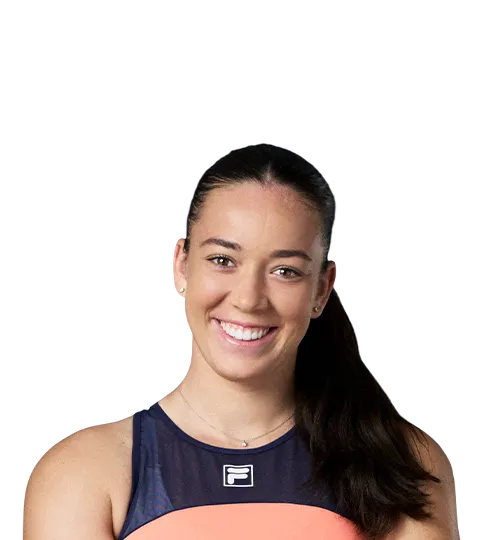
Tereza Valentova Outlasts Elina Svitolina in an Uplifting Thriller at Cincinnati
Elina Svitolina vs Tereza Valentova · Round 2 · Cincinnati Tennis.com - A nail-biting encounter...
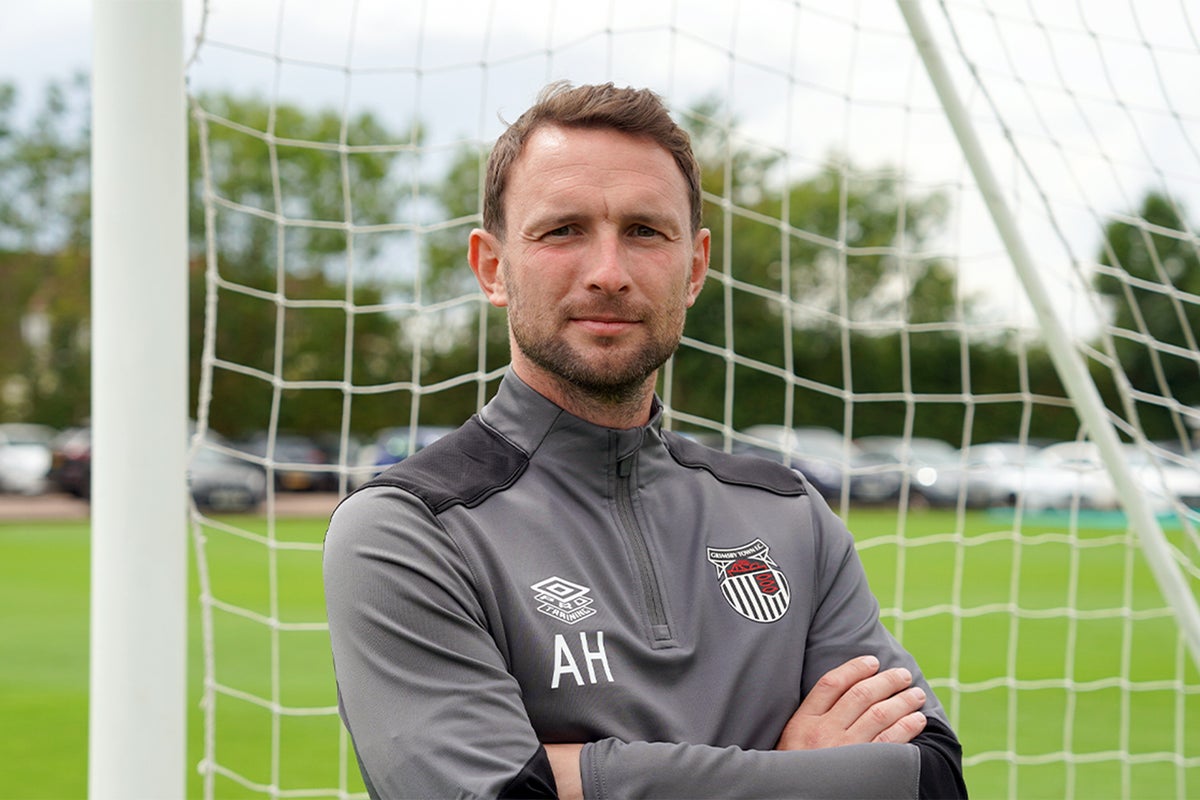
The sudden and tragic loss of Alex Hughes, the 38-year-old son of Manchester United legend Mark Hughes, has sent shockwaves throughout the sports and medical communities. According to an inquest held at Cheshire Coroner's Court, Alex died from sudden arrhythmic death syndrome (SADS), a condition that affects approximately 500 people in the UK every year. SADS is often identified when a post-mortem examination reveals an unexplained cardiac arrest, and the cause of death cannot be determined. The condition predominantly affects young males, and experts warn that awareness and early detection are crucial in saving lives. Alex's untimely passing serves as a stark reminder of the importance of understanding SADS, its causes, and the risk factors that contribute to this often-deadly condition.
Alex's sons discovered him collapsed on the bedroom floor at their home in Cheshire on June 19. Despite the eldest son's valiant efforts to revive him through CPR, Alex could not be saved. Coroner's inquest revealed that SADS was the cause of his death, attributed to natural causes. The heart-wrenching incident highlights the importance of being aware of the warning signs and symptoms of SADS, such as irregular heartbeat, fainting spells, or palpitations. These symptoms often go unnoticed or misdiagnosed, which can exacerbate the condition and lead to tragic outcomes. By raising awareness and promoting education, experts hope to reduce the incidence of SADS-related deaths and support families who have been affected by this heartbreaking condition.
Sudden arrhythmic death syndrome (SADS) is a devastating cardiac condition that occurs when an abnormal heart rhythm, or arrhythmia, goes untreated. According to the British Heart Foundation, an estimated 2 million people in the UK experience arrhythmias, and most can lead normal lives if diagnosed in time. However, SADS can trigger a cardiac arrest, which can be fatal if not treated promptly. The condition often has underlying causes, including inherited heart conditions, such as cardiomyopathy. Diet, excessive alcohol consumption, and high blood pressure can increase the risk of developing these heart conditions, underscoring the importance of a healthy lifestyle.
The key to understanding SADS lies in being aware of its warning signs and symptoms. A person experiencing an arrhythmia may exhibit rapid heartbeat, slow heartbeat, or irregular heartbeats, which can be alarming but often go unnoticed. In some cases, these symptoms may be accompanied by chest pain, shortness of breath, or fainting spells. While SADS can affect anyone, certain individuals are more at risk due to their family medical history, which may indicate an inherited heart condition. By recognizing the risk factors and understanding the signs and symptoms of SADS, individuals can take proactive measures to mitigate their risk and seek medical attention promptly if they suspect a cardiac issue.
SADS has already claimed the lives of many young athletes and individuals who have been unaware of the risk factors associated with this condition. The statistics are sobering: approximately 500 people in the UK die from SADS each year, mostly young men. According to the British Heart Foundation, there are several types of cardiomyopathy that can trigger SADS due to subtle changes in the heart's electrical system. While these conditions may not always be preventable, they can be inherited, underscoring the importance of genetic screening and awareness. Furthermore, maintaining a healthy lifestyle, including regular exercise, a balanced diet, and moderate alcohol consumption, can also help reduce the risk of developing heart conditions associated with SADS.
The loss of Alex Hughes serves as a poignant reminder of the devastating impact of SADS on families. His parents, Mark Hughes and his wife, have publicly spoken out about the need for greater awareness and education regarding this condition. They emphasize that early detection and prompt medical attention can make all the difference in saving lives. By promoting awareness and encouraging open discussion, we can work together to reduce the incidence of SADS-related deaths and support families who have been affected by this heartbreaking condition. As the sports community and medical experts come together to share their knowledge and resources, we can create a safer and more informed environment for everyone, especially young athletes and individuals who may be at risk of this often-deadly condition.
In the wake of Alex Hughes' passing, the medical community has called for increased awareness and education regarding SADS. Experts emphasize the importance of screening for inherited heart conditions, promoting a healthy lifestyle, and being attentive to the warning signs and symptoms of SADS. By working together and sharing knowledge, we can reduce the risk of SADS-related deaths and create a safer, more informed world for everyone. As we remember Alex Hughes and the families affected by SADS, we must also acknowledge the importance of awareness and education in preventing this often-deadly condition.
Alex Hughes death: What is sudden arrhythmic death syndrome? AOL.com
Elina Svitolina vs Tereza Valentova · Round 2 · Cincinnati Tennis.com - A nail-biting encounter...
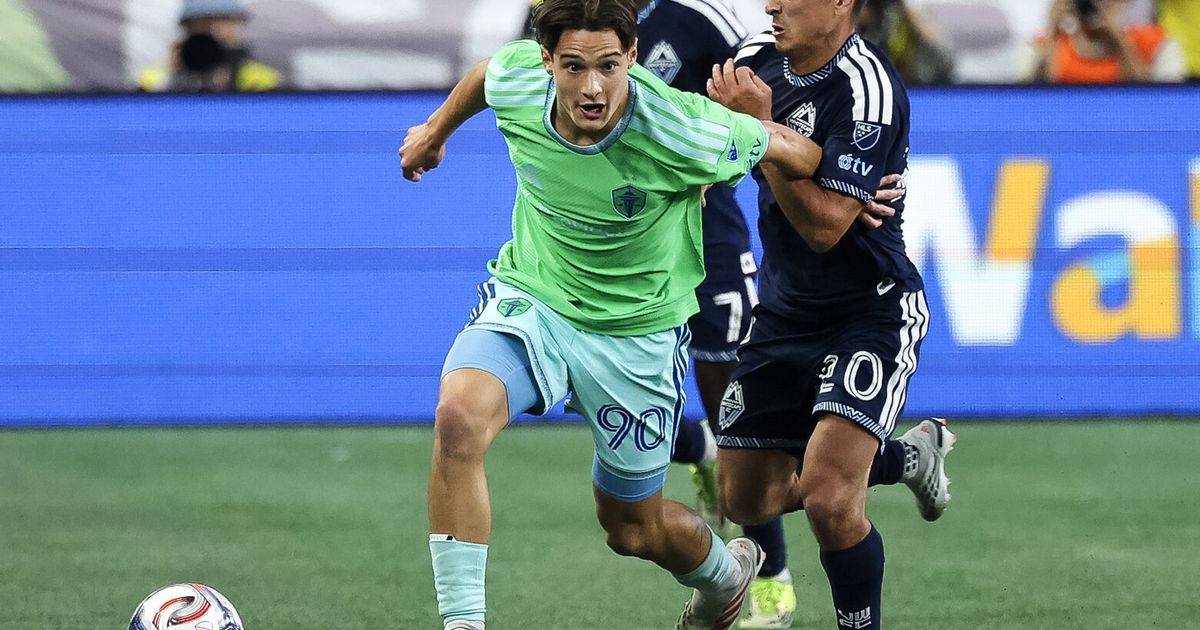
The Seattle Sounders take on the Vancouver Whitecaps in an electrifying match, with the two teams...

Ally Sentnor's 1st Angel City FC goal salvages draw with Washington ocregister.com

Watch the live action of Tijuana vs. Cruz Azul, all the latest news, analysis, and match scores...
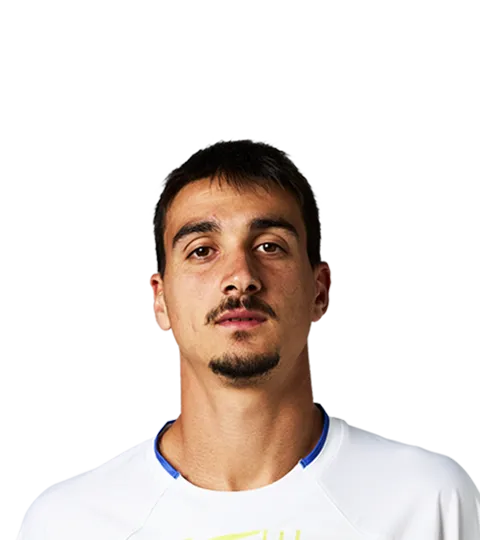
The highly anticipated match between Lorenzo Sonego and Frances Tiafoe is set to take place in the...

Dallas Cowboys' Next Move: Exploring Adoree' Jackson's Potential Signing After Von Miller's...

Netizen tidak senang dengan komentar-komentar yang diberikan

BTS mungkin kembali mengikuti Grammy setelah rekanan mereka, Recording Academy, mengumumkan revisi...
BTS mungkin tidak akan mengubah keputusan untuk mengabaikan Grammy karena deadline pengiriman musik...
Update terbaru tentang keputusan BTS untuk tidak mengirimkan musik mereka untuk dijadikan nominee...
Pihak Recording Academy mengumumkan akan kembali meninju keputusan untuk memperkenalkan kategori...

Sangyeop Sangyeop mengumumkan rencananya untuk menikah dengan seorang non-celebrity, mengejutkan...