


A Serious Warning from the FDA: Texas-Sold Eggs May Contain Salmonella
A Serious Warning from the FDA: Texas-Sold Eggs May Contain Salmonella

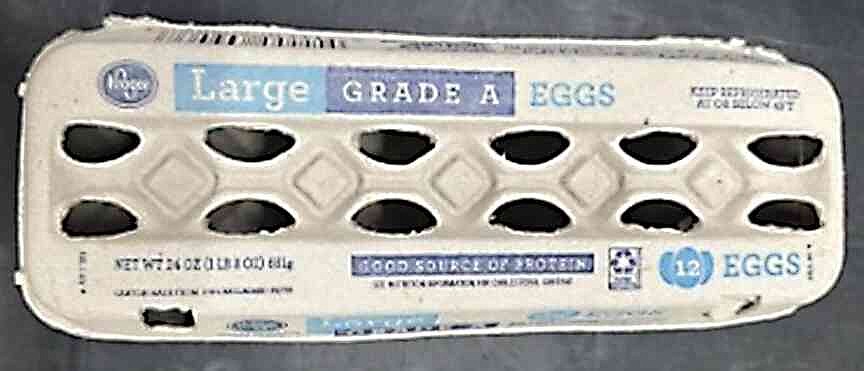
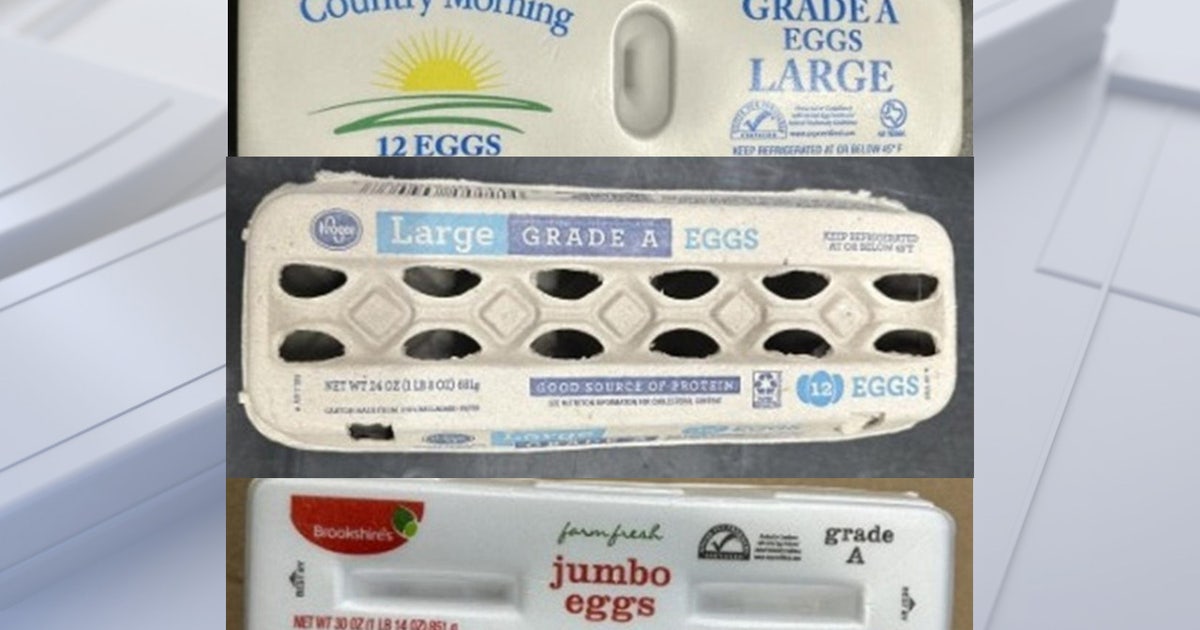
The recent salmonella outbreak linked to egg recall has sparked widespread concern, with 26 hospitalizations and 98 illnesses reported across 17 states. According to the Centers for Disease Control and Prevention, the outbreak is linked to eggs produced in Texas, which were shipped to various stores, including Kroger and Brookshire Grocery. The eggs were distributed from farms associated with Midwest Poultry between June 6 and July 3, with sell-by or best-by dates between July 20 and August 17. The FDA has stated that the eggs were sold under multiple brand names, such as Simple Truth, Cal-Maine, and Country Morning, and in bulk and retail cartons containing 6 to 60 eggs. Furthermore, the FDA has noted that no other Midwest Poultry products are part of the recall, and the company identified the salmonella risk through proactive environmental monitoring processes and root cause analysis.
The CDC and FDA opened an investigation into the potentially contaminated eggs on July 24, just two days after the recall was issued. The investigation has determined that eggs voluntarily recalled by Midwest Poultry Services, L.P. are likely one source of the outbreak. However, this producer does not account for all the illnesses in this outbreak, and additional investigation is ongoing to determine if there are other sources of illness. The CDC has stated that laboratory, epidemiological, and traceback data from the investigation support this conclusion. Moreover, the CDC has emphasized the importance of taking precautions to prevent salmonella infection, such as washing hands thoroughly, cooking eggs until the yolks are firm, and avoiding cross-contamination. The FDA has also provided guidance on how to identify salmonella symptoms, which typically include diarrhea, fever, and abdominal cramps.
Salmonella is a group of bacteria that cause a gastrointestinal illness called salmonellosis. According to the FDA, salmonellosis usually occurs within 12 to 72 hours after eating contaminated food, and symptoms usually last four to seven days. Some people can recover without treatment, though children younger than five, elderly people, and those with weakened immune systems are more likely to have severe salmonellosis. Severe cases may include a high fever, aches, headaches, lethargy, a rash, or blood in the urine or stool. The CDC has noted that salmonella is a significant public health concern, and outbreaks can have serious consequences, particularly for vulnerable populations. As such, it is essential to take preventive measures, such as handling eggs safely, cooking them properly, and avoiding consumption of raw or undercooked eggs.
The recall of eggs has significant implications for consumers, businesses, and the food industry as a whole. The CDC has advised consumers to check their eggs for the recalled brands and sell-by dates and to return or discard any affected products. Businesses that received the recalled eggs have been instructed to follow proper handling and disposal procedures. The FDA has also emphasized the importance of food safety and the need for companies to implement robust safety protocols to prevent contamination. Furthermore, the outbreak highlights the need for enhanced surveillance and monitoring of foodborne illnesses, as well as improved communication and collaboration between regulatory agencies, industry stakeholders, and the public. The FDA has stated that it is working closely with the CDC and other partners to investigate the outbreak and prevent future occurrences.
The investigation into the salmonella outbreak linked to egg recall is ongoing, and the CDC and FDA are working to determine the root cause of the contamination. The FDA has noted that the investigation is complex and involves multiple stakeholders, including farmers, processors, distributors, and retailers. The agency has stated that it is using a range of tools and techniques to identify the source of the contamination and to prevent future outbreaks. The CDC has also emphasized the importance of continued vigilance and monitoring, as well as the need for sustained efforts to improve food safety and prevent foodborne illnesses. As the investigation continues, it is essential to stay informed about the latest developments and to follow the guidance and recommendations provided by regulatory agencies and public health officials.
In terms of future outlook, the salmonella outbreak linked to egg recall underscores the need for enhanced food safety measures and improved regulatory oversight. The FDA has stated that it is committed to protecting public health and ensuring the safety of the food supply. The agency has noted that it is working to strengthen its food safety programs, including the implementation of new rules and regulations under the Food Safety Modernization Act. The CDC has also emphasized the importance of continued investment in food safety research, surveillance, and education, as well as the need for sustained efforts to prevent foodborne illnesses and protect public health. As the food industry continues to evolve, it is essential to prioritize food safety and to work collaboratively to prevent outbreaks and protect consumers.
Additionally, the outbreak highlights the importance of consumer awareness and education. The CDC and FDA have provided guidance on how to handle eggs safely, including tips on storage, handling, and cooking. Consumers can also take steps to reduce their risk of salmonella infection, such as washing their hands thoroughly, avoiding cross-contamination, and cooking eggs until the yolks are firm. Furthermore, consumers can stay informed about food safety recalls and outbreaks by visiting the FDA and CDC websites, which provide up-to-date information on food safety issues. By working together, we can reduce the risk of foodborne illnesses and protect public health.
The salmonella outbreak linked to egg recall has significant implications for the food industry, regulatory agencies, and consumers. The outbreak highlights the need for enhanced food safety measures, improved regulatory oversight, and sustained efforts to prevent foodborne illnesses. As the investigation continues, it is essential to stay informed about the latest developments and to follow the guidance and recommendations provided by regulatory agencies and public health officials. By prioritizing food safety and working collaboratively, we can reduce the risk of foodborne illnesses and protect public health. The FDA and CDC will continue to provide updates on the investigation and any additional guidance or recommendations as necessary.
In conclusion, the salmonella outbreak linked to egg recall is a significant public health concern that requires immediate attention and action. The CDC and FDA are working diligently to investigate the outbreak, and consumers can take steps to protect themselves by following proper food safety guidelines. The outbreak highlights the need for continued investment in food safety research, surveillance, and education, as well as the importance of sustained efforts to prevent foodborne illnesses and protect public health. As we move forward, it is essential to prioritize food safety and to work collaboratively to prevent outbreaks and protect consumers.
A comprehensive overview of the CDC and FDA investigation into the salmonella outbreak linked to egg recall, including key facts, analysis, and future implications
A Serious Warning from the FDA: Texas-Sold Eggs May Contain Salmonella

The FDA has elevated the recent egg recall to its highest level due to a significant Salmonella...
The US FDA has upgraded the egg recall linked to Salmonella poisoning to the highest risk level,...
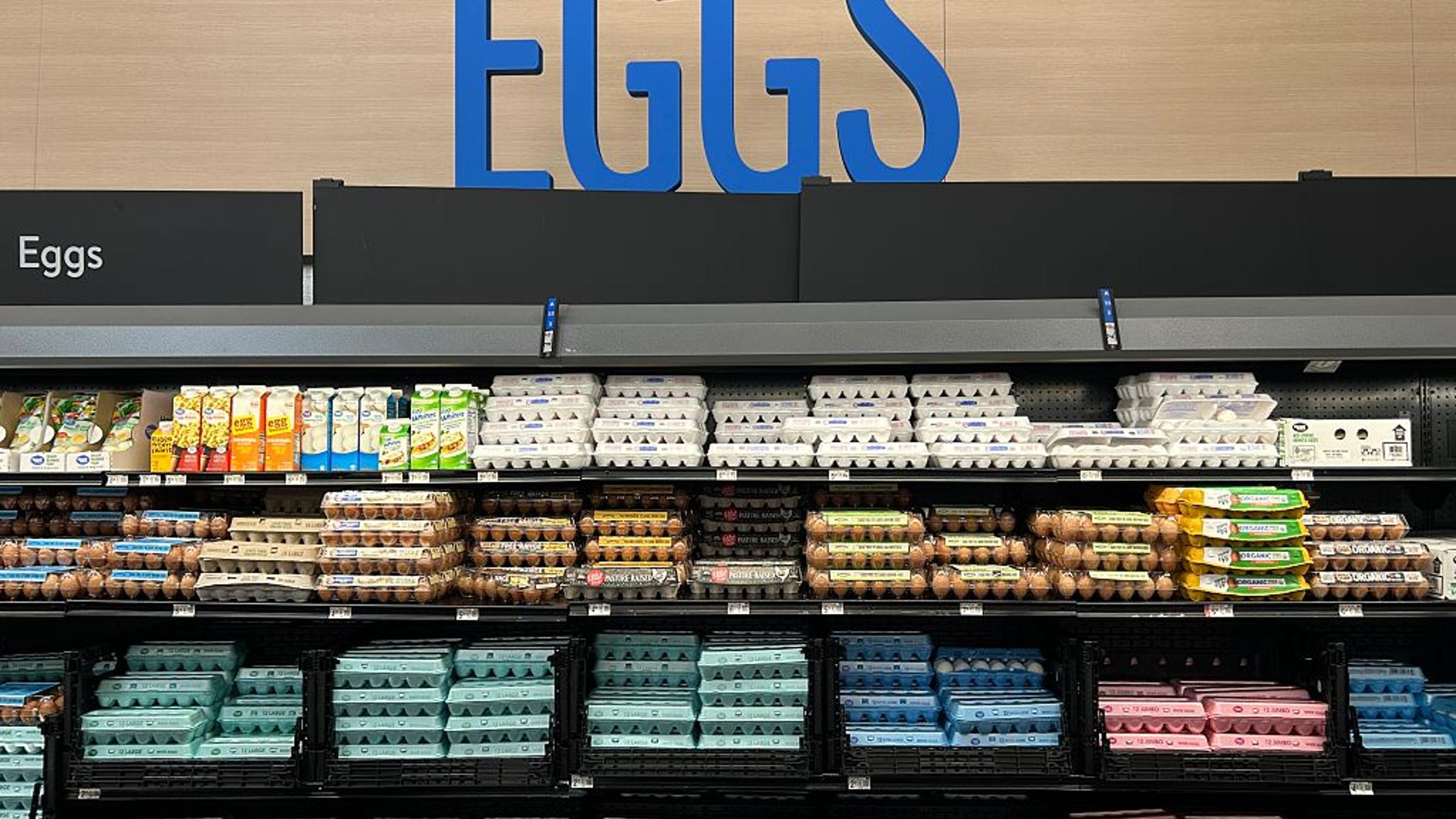
The U.S. Food and Drug Administration (FDA) has upgraded the risk level of a recent egg recall to...
FDA Upgrades Egg Recall to Class I: What It Means for Consumers Elpasotimes.com
Salmonella infections are a significant public health concern, with the potential to cause serious...

Netizen tidak senang dengan komentar-komentar yang diberikan

BTS mungkin kembali mengikuti Grammy setelah rekanan mereka, Recording Academy, mengumumkan revisi...
BTS mungkin tidak akan mengubah keputusan untuk mengabaikan Grammy karena deadline pengiriman musik...
Update terbaru tentang keputusan BTS untuk tidak mengirimkan musik mereka untuk dijadikan nominee...
Pihak Recording Academy mengumumkan akan kembali meninju keputusan untuk memperkenalkan kategori...

Sangyeop Sangyeop mengumumkan rencananya untuk menikah dengan seorang non-celebrity, mengejutkan...