


Donald Trump's Decision to Scale Back Joint Exercises with South Korea: Understanding the Context and Implications
President Donald Trump Orders Pentagon to Scale Back Joint Exercises with South Korea as Part of...

The Trump Administration's suggestion to reduce the number of childhood vaccines has been met with significant criticism from the medical community. According to reports, the President has been advised that the current vaccine schedule, which includes a series of vaccinations for diseases such as measles, mumps, and rubella, may be excessive. However, healthcare professionals argue that the current schedule is designed to protect children from serious diseases and that reducing the number of vaccines could put them at risk. The President's stance on this issue has been influenced by various factors, including misinformation and concerns about the potential side effects of vaccines. Despite the controversy surrounding the issue, it is essential to examine the facts and understand the potential implications of reducing the number of childhood vaccines.
The Centers for Disease Control and Prevention (CDC) recommend a series of vaccinations for children, starting from birth and continuing through adolescence. These vaccinations are designed to protect against serious diseases such as measles, mumps, and rubella, as well as other illnesses like polio, diphtheria, and tetanus. The current vaccine schedule has been extensively tested and proven to be safe and effective. However, some parents and policymakers have expressed concerns about the potential side effects of vaccines, citing cases of adverse reactions and alleging that the vaccines may be linked to conditions such as autism. Despite these concerns, numerous studies have shown that there is no scientific evidence to support a link between vaccines and autism. The World Health Organization (WHO) and other reputable health organizations have also emphasized the importance of vaccination in preventing the spread of diseases and protecting public health.
The Trump Administration's proposal to reduce the number of childhood vaccines has been met with significant opposition from healthcare professionals and organizations. The American Academy of Pediatrics (AAP) has expressed concerns that reducing the number of vaccines could put children at risk of contracting serious diseases. The AAP has also emphasized the importance of adhering to the recommended vaccine schedule, citing the scientific evidence that supports its safety and effectiveness. Other organizations, such as the CDC and the WHO, have also spoken out against the proposal, highlighting the potential risks and consequences of reducing the number of childhood vaccines. The opposition to the proposal is not limited to healthcare professionals, as many parents and policymakers have also expressed concerns about the potential implications of reducing the number of vaccines.
One of the primary concerns surrounding the Trump Administration's proposal is the potential for a decline in vaccination rates. If the number of childhood vaccines is reduced, it is likely that some parents will opt out of vaccinating their children altogether. This could lead to a decline in herd immunity, making it more challenging to prevent the spread of diseases. Furthermore, reducing the number of vaccines could also lead to a resurgence of diseases that are currently under control. For example, the measles outbreak in 2019, which was linked to low vaccination rates in certain communities, highlights the importance of maintaining high vaccination rates to prevent the spread of diseases. The potential consequences of reducing the number of childhood vaccines are far-reaching and could have significant implications for public health.
The Trump Administration's proposal to reduce the number of childhood vaccines has also been influenced by misinformation and misconceptions about vaccines. Some proponents of the proposal have cited allegations that vaccines are linked to conditions such as autism, despite the lack of scientific evidence to support these claims. Other misconceptions, such as the idea that vaccines are not effective or that they are not necessary, have also been cited as reasons to reduce the number of childhood vaccines. However, these misconceptions are not supported by scientific evidence and have been thoroughly debunked by healthcare professionals and reputable health organizations. It is essential to address these misconceptions and provide accurate information to parents and policymakers to ensure that they make informed decisions about vaccination.
In conclusion, the Trump Administration's proposal to reduce the number of childhood vaccines is a complex and contentious issue. While the proposal has been met with significant opposition from healthcare professionals and organizations, it is essential to understand the background and context surrounding the issue. The potential implications of reducing the number of childhood vaccines are far-reaching and could have significant consequences for public health. It is crucial to provide accurate information and address misconceptions about vaccines to ensure that parents and policymakers make informed decisions about vaccination. As the debate surrounding the proposal continues, it is essential to prioritize the health and well-being of children and to ensure that they receive the protection they need against serious diseases.
The future outlook for childhood vaccination is uncertain, given the controversy surrounding the Trump Administration's proposal. However, it is essential to continue promoting vaccination and addressing misconceptions about vaccines. Healthcare professionals, organizations, and policymakers must work together to ensure that children receive the protection they need against serious diseases. This can be achieved by providing accurate information, addressing concerns and misconceptions, and promoting vaccination as a safe and effective way to prevent the spread of diseases. By prioritizing the health and well-being of children, we can ensure that they receive the protection they need and that public health is maintained.
The Trump Administration's recent proposal to reduce the number of childhood vaccines has sparked a heated debate among healthcare professionals, parents, and policymakers. This update aims to provide a comprehensive overview of the situation, including the background, key facts, analysis, implications, and future outlook.
President Donald Trump Orders Pentagon to Scale Back Joint Exercises with South Korea as Part of...
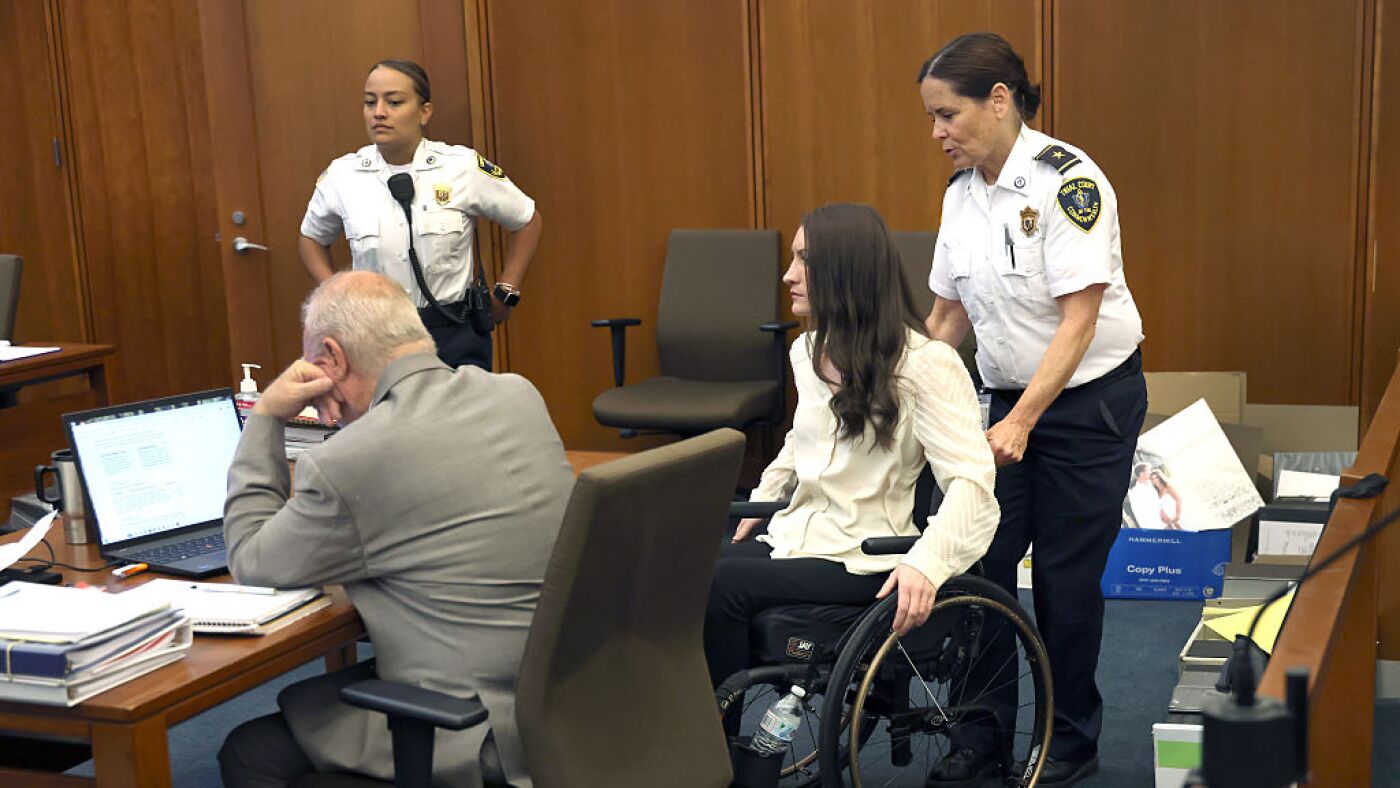
Lindsay Clancy's trial raises crucial questions about postpartum psychosis, a little-understood...
The high-profile trial of Lindsay Clancy, who is accused of murdering her three children,...

The US Navy is examining potential redesigns of its warships as part of a broader initiative driven...

A recent medical emergency has left Earth, Wind & Fire drummer John Paris in a critical condition,...

Earth, Wind and Fire drummer John Paris' cardiac incident highlights the importance of artist...

Netizen tidak senang dengan komentar-komentar yang diberikan

BTS mungkin kembali mengikuti Grammy setelah rekanan mereka, Recording Academy, mengumumkan revisi...
BTS mungkin tidak akan mengubah keputusan untuk mengabaikan Grammy karena deadline pengiriman musik...
Update terbaru tentang keputusan BTS untuk tidak mengirimkan musik mereka untuk dijadikan nominee...
Pihak Recording Academy mengumumkan akan kembali meninju keputusan untuk memperkenalkan kategori...

Sangyeop Sangyeop mengumumkan rencananya untuk menikah dengan seorang non-celebrity, mengejutkan...